Anti-Inflammatory Foods: A Guide to Eating for Wellness
Explore the connection between chronic inflammation and diet, and discover which foods may help support your body's natural anti-inflammatory processes.
Important Notice: This article is for informational purposes only and does not constitute medical or dietary advice. Consult a healthcare provider for guidance on managing inflammation-related conditions.
Understanding Inflammation and Diet
Inflammation is a natural and necessary immune response. When you cut your finger or catch a cold, acute inflammation helps your body heal and fight off invaders. This short-term response is beneficial and essential for survival.
The concern arises with chronic, low-grade inflammation, a persistent state that can develop silently over time. Research has linked chronic inflammation to a range of health conditions, and diet plays a significant role in either promoting or reducing this inflammatory state.
Foods That May Support Anti-Inflammatory Processes
Fatty Fish
Salmon, sardines, mackerel, and anchovies are rich in omega-3 fatty acids (EPA and DHA), which have been extensively studied for their anti-inflammatory properties. The omega-3s in fatty fish help the body produce resolvins and protectins, compounds that actively help resolve inflammation.
Aim for two to three servings of fatty fish per week. If you do not eat fish, consider discussing omega-3 supplementation with your healthcare provider.
Colorful Fruits and Vegetables
The pigments that give fruits and vegetables their vibrant colors are often powerful antioxidants and anti-inflammatory compounds:
- Berries — Blueberries, strawberries, and raspberries contain anthocyanins with documented anti-inflammatory effects
- Leafy greens — Spinach, kale, and Swiss chard are rich in vitamins, minerals, and phytonutrients
- Tomatoes — High in lycopene, particularly when cooked
- Cherries — Tart cherries have been studied for their anthocyanin content
- Bell peppers — Excellent source of vitamin C and quercetin
Turmeric and Ginger
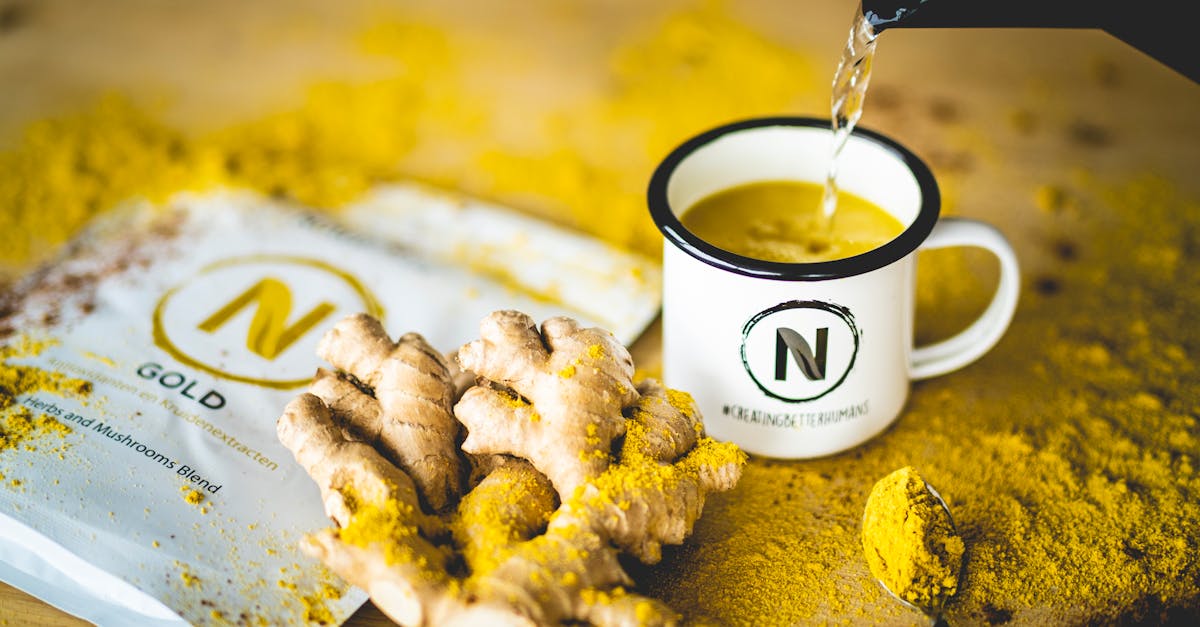
Turmeric contains curcumin, one of the most studied natural anti-inflammatory compounds. Curcumin’s bioavailability is enhanced when consumed with black pepper (which contains piperine) and a source of fat.
Ginger contains gingerols and shogaols, which have been studied for their anti-inflammatory and antioxidant properties. Both spices can be incorporated into cooking, teas, and smoothies.
Extra Virgin Olive Oil
A cornerstone of the Mediterranean diet, extra virgin olive oil contains oleocanthal, a compound that has been compared to ibuprofen in its mechanism of action. Use it as your primary cooking oil and in salad dressings.
Nuts and Seeds
Almonds, walnuts, flaxseeds, and chia seeds provide healthy fats, fiber, and various anti-inflammatory compounds. Walnuts are particularly notable for their alpha-linolenic acid (ALA), a plant-based omega-3 fatty acid.
Dark Chocolate and Cocoa
Dark chocolate with 70% or higher cocoa content contains flavanols with antioxidant and anti-inflammatory properties. Enjoy in moderation as part of a balanced diet.
Green Tea
The catechins in green tea, particularly EGCG, have well-documented antioxidant and anti-inflammatory effects. Two to three cups per day is a commonly cited amount in research studies.
Foods That May Promote Inflammation
While adding anti-inflammatory foods is important, reducing pro-inflammatory foods is equally valuable:
- Refined sugars — Excess sugar consumption has been linked to increased inflammatory markers
- Processed meats — Hot dogs, sausages, and deli meats contain compounds that may promote inflammation
- Refined carbohydrates — White bread, pastries, and other highly processed grain products
- Trans fats — Found in some fried foods and processed snacks
- Excessive alcohol — Heavy drinking is associated with increased systemic inflammation
- Seed oils in excess — Very high intake of omega-6 fatty acids relative to omega-3s may promote an inflammatory state
The Mediterranean Diet Connection
The Mediterranean diet consistently ranks among the most studied and recommended dietary patterns for reducing inflammation. Its emphasis on fruits, vegetables, whole grains, legumes, fatty fish, olive oil, and moderate wine consumption creates a naturally anti-inflammatory way of eating.
You do not need to follow the Mediterranean diet exactly. The key principles can be adapted to any cuisine:
- Make plants the foundation of most meals
- Choose whole grains over refined grains
- Include healthy fats from olive oil, nuts, and fish
- Limit processed foods, refined sugars, and excessive red meat
- Enjoy meals with others when possible
Practical Tips for an Anti-Inflammatory Kitchen
- Stock your spice rack with turmeric, ginger, cinnamon, and garlic
- Keep frozen berries on hand for smoothies and snacking
- Replace one processed snack per day with nuts or fruit
- Cook with extra virgin olive oil instead of refined oils
- Add a serving of leafy greens to one meal each day
- Prepare a weekly batch of grain salad with vegetables for easy lunches
A Long-Term Approach
Anti-inflammatory eating is not about perfection or eliminating entire food groups. It is about consistently choosing more whole, nutrient-dense foods and fewer processed, nutrient-poor options. Small, sustainable changes over time can shift the overall balance of your diet in a more anti-inflammatory direction.