Turmeric – Uses & Benefits
Golden spice with powerful anti-inflammatory properties, used for pain relief, digestion, and overall wellness.
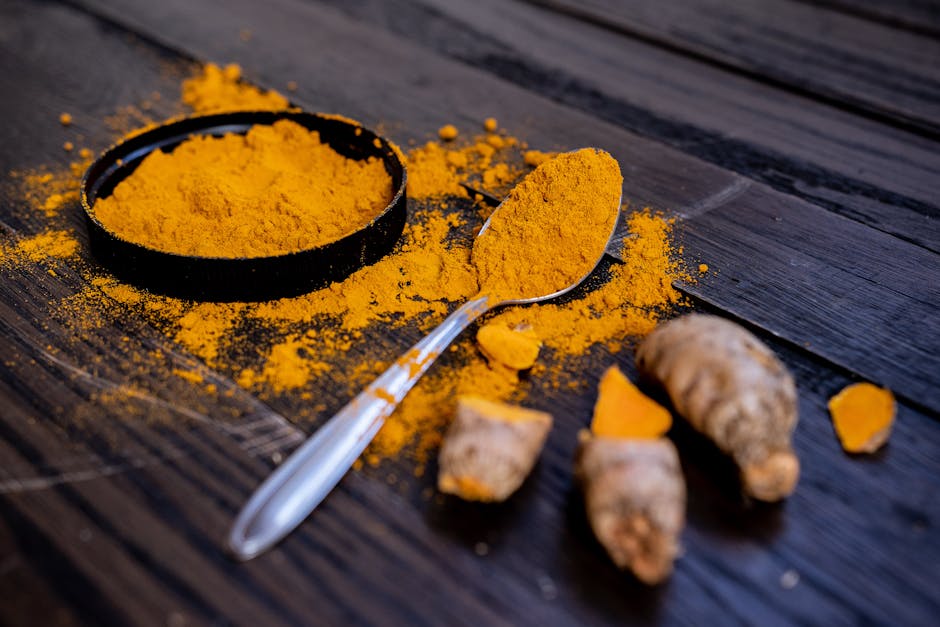
Quick Facts
Used for:
Available forms:
⚠️ Cautions:
- • May increase bleeding risk
- • Can interact with blood thinners
- • High doses may cause stomach upset
Overview
Turmeric (Curcuma longa) is often called the “golden spice” for good reason. This vibrant yellow root has been used for over 4,000 years in traditional medicine, particularly in Ayurvedic and Chinese systems. Modern research confirms many of its traditional uses, especially for reducing inflammation.
Active Compounds
Curcumin
The primary active compound responsible for turmeric’s benefits:
- Anti-inflammatory: Reduces inflammatory markers
- Antioxidant: Protects cells from oxidative damage
- Pain relief: May help reduce joint and muscle pain
- Brain health: Supports cognitive function
Other Curcuminoids
- Demethoxycurcumin
- Bisdemethoxycurcumin
- Volatile oils with additional benefits
Traditional Uses
Inflammation and Pain
Turmeric’s most well-documented benefit:
- Joint pain and stiffness
- Muscle soreness after exercise
- General inflammatory conditions
- Chronic pain management
Digestive Health
Traditional use for stomach issues:
- Stimulates bile production
- Supports liver function
- Reduces bloating and gas
- Protects stomach lining
Wound Healing
Topical application for:
- Minor cuts and scrapes
- Skin irritation
- Faster healing
- Antimicrobial protection
Modern Research Applications
Arthritis Support
Studies show turmeric may help:
- Reduce joint pain
- Improve mobility
- Decrease morning stiffness
- Support cartilage health
Heart Health
Potential cardiovascular benefits:
- Supports healthy cholesterol levels
- Promotes circulation
- Antioxidant protection for blood vessels
- May support blood pressure management
Brain Function
Emerging research on cognitive support:
- May support memory
- Protects against oxidative stress
- Supports healthy aging
- Potential mood benefits
How to Use Turmeric
Golden Milk (Turmeric Latte)
Traditional warming drink:
Basic Recipe:
- 1 cup milk (dairy or plant-based)
- 1 teaspoon turmeric powder
- 1/4 teaspoon ginger powder
- Pinch of black pepper
- Honey to taste
- Optional: cinnamon, cardamom
Preparation:
- Warm milk gently (don’t boil)
- Whisk in spices
- Strain if desired
- Sweeten with honey
Turmeric Paste
Concentrated preparation for topical use:
Ingredients:
- 1/2 cup turmeric powder
- 1 cup water
- 1.5 teaspoons black pepper
- 70ml coconut oil
Method:
- Simmer turmeric and water for 7-10 minutes
- Add pepper and oil
- Stir until thick paste forms
- Store in refrigerator up to 2 weeks
Fresh Turmeric Root
When available, fresh root is potent:
- Grate into smoothies
- Juice with ginger and lemon
- Add to curries and stews
- Make fresh turmeric tea
Turmeric Tea
Simple daily preparation:
- 1 teaspoon turmeric powder
- 1 cup hot water
- Pinch of black pepper
- Lemon and honey to taste
Steep 5 minutes, strain, enjoy warm.
Absorption Enhancement
The Black Pepper Connection
Curcumin absorption is poor alone. Enhance with:
- Piperine (black pepper): Increases absorption by 2000%
- Healthy fats: Coconut oil, olive oil, or milk
- Heat: Gentle cooking improves bioavailability
Optimal Combinations
- Turmeric + black pepper + fat source
- With ginger for enhanced anti-inflammatory effects
- With warm milk for traditional preparation
- In curry dishes with oil and spices
Dosage Guidelines
Culinary Use
- 1-3 grams turmeric powder daily in food
- 1/4 to 1/2 teaspoon per serving
- Regular use more important than large doses
Supplement Form
- Curcumin extract: 500-1000mg daily
- Standardized to 95% curcuminoids
- Look for piperine inclusion
- Take with meals containing fat
Fresh Root
- 1-3 grams fresh turmeric daily
- Equivalent to about 1 inch of fresh root
- Can be juiced, grated, or chopped
Topical Applications
For Skin Health
- Mix turmeric paste with honey for face mask
- Add to coconut oil for skin moisturizer
- Use for minor cuts and scrapes
- May help with acne and inflammation
Warning: Turmeric can temporarily stain skin yellow.
For Pain Relief
- Turmeric paste applied to sore joints
- Mix with warm oil for massage
- Combine with ginger for enhanced effect
- Always test on small skin area first
Cooking with Turmeric
Curry Dishes
Traditional use in:
- Indian curries
- Thai dishes
- Middle Eastern cooking
- Rice and vegetable dishes
Modern Applications
- Smoothies and golden milk
- Roasted vegetables
- Scrambled eggs
- Soup and stew seasoning
Storage Tips
- Keep powder in airtight container
- Store in cool, dark place
- Fresh root in refrigerator up to 3 weeks
- Freeze fresh root for longer storage
Quality and Selection
Choosing Turmeric Powder
- Look for organic certification
- Bright orange-yellow color
- Fresh, earthy aroma
- No added fillers or anti-caking agents
Fresh Root Selection
- Firm, plump rhizomes
- Minimal wrinkles or soft spots
- Bright orange when cut
- Strong, earthy fragrance
Supplement Quality
- Third-party tested for purity
- Standardized curcumin content
- Includes piperine for absorption
- Reputable manufacturer
Safety Considerations
Generally Safe For
- Most healthy adults in culinary amounts
- Short-term use in supplement doses
- Topical application (test first)
- Traditional preparation methods
Use Caution If
- Taking blood-thinning medications
- Have gallstones or bile duct obstruction
- Scheduled for surgery (stop 2 weeks prior)
- Have gastroesophageal reflux disease (GERD)
Possible Side Effects
- Stomach upset in large doses
- Increased bleeding risk
- Yellow staining of skin/teeth
- Allergic reactions (rare)
Drug Interactions
Turmeric may interact with:
- Anticoagulants: Warfarin, aspirin
- Diabetes medications: May lower blood sugar
- Chemotherapy drugs: May interfere with some treatments
- Iron supplements: May reduce absorption
Traditional Wisdom Meets Modern Science
Turmeric represents one of the best examples of traditional medicine validated by modern research. Its use in golden milk, curry dishes, and healing pastes has sustained cultures for millennia, while contemporary studies continue to reveal new potential benefits.
Whether used as a daily spice in cooking or taken as a targeted supplement for specific health concerns, turmeric offers a gentle, natural approach to supporting overall wellness and managing inflammation.
Remedies Using Turmeric
Natural Remedies for Acne
Gentle, effective natural treatments for acne using antibacterial herbs, dietary changes, and skin-balancing remedies.
Natural Support for Arthritis Pain
Natural approaches to support arthritis management using anti-inflammatory remedies, movement therapy, and lifestyle modifications.
Natural Remedies for Back Pain
Effective natural approaches to back pain relief using heat therapy, movement, anti-inflammatory remedies, and lifestyle modifications.
Natural Anti-Inflammatory Support
Reduce inflammation naturally with anti-inflammatory foods, herbs, and lifestyle practices for overall wellness and pain relief.
Natural Remedies for Joint Pain
Gentle, effective approaches to joint pain relief using anti-inflammatory herbs, topical treatments, and movement therapy.
Natural Remedies for Muscle Pain
Effective natural approaches to relieve muscle pain using herbs, topical treatments, and movement therapy.
Frequently Asked Questions
How much turmeric should I take daily?
1-3 grams of turmeric powder daily, or 500mg curcumin extract. Always pair with black pepper for better absorption.
Can I use turmeric while taking medications?
Turmeric may interact with blood thinners and diabetes medications. Consult your healthcare provider.
Is fresh turmeric better than powder?
Fresh turmeric is more potent but powder is more convenient. Both are beneficial when used regularly.