Honey – Uses & Benefits
Nature's sweetener with antimicrobial properties, perfect for soothing throats and supporting healing.
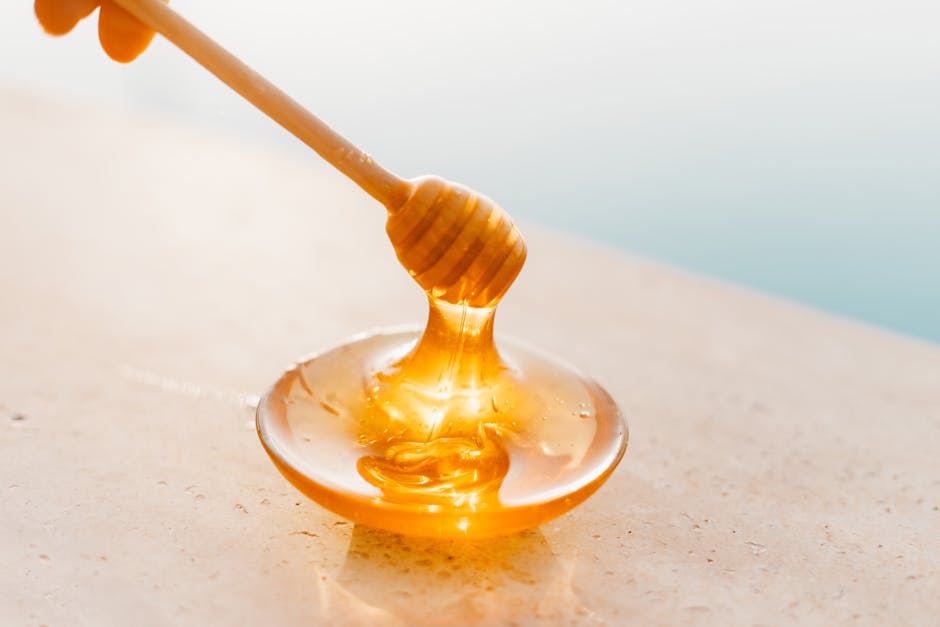
Quick Facts
Used for:
Available forms:
⚠️ Cautions:
- • Not suitable for infants under 12 months
- • High in natural sugars
- • May affect blood sugar levels
Overview
Honey has been treasured for thousands of years, both as food and medicine. This golden liquid is much more than a sweetener – it’s a complex substance with remarkable healing properties that have been recognized across cultures and confirmed by modern research.
Types of Honey
Raw Honey
- Unfiltered and unpasteurized
- Contains beneficial enzymes and pollen
- Crystallizes naturally over time
- Most therapeutic properties intact
Manuka Honey
- From New Zealand tea tree (Leptospermum scoparium)
- Unique antibacterial compound (methylglyoxal/MGO)
- Graded by MGO content (100+ to 800+)
- Premium therapeutic honey
Local Honey
- Produced in your geographic area
- May contain local pollens
- Potentially helpful for seasonal allergies
- Supports local beekeepers
Therapeutic Properties
Antimicrobial Action
Honey’s infection-fighting properties come from:
- Low water content: Creates hostile environment for bacteria
- Acidic pH: Inhibits bacterial growth
- Hydrogen peroxide: Released slowly as natural antiseptic
- Unique compounds: Especially in Manuka honey
Wound Healing
Research shows honey can:
- Speed healing of minor cuts and burns
- Reduce inflammation and pain
- Minimize scarring
- Fight infection naturally
Cough and Throat Relief
Honey soothes irritation by:
- Coating throat tissues
- Reducing inflammation
- Providing temporary pain relief
- Triggering saliva production
How to Use Honey
For Sore Throat
- Take 1-2 teaspoons directly
- Mix with warm (not hot) water or tea
- Combine with ginger and lemon
- Use throughout the day as needed
For Cough
- Give 1/2 to 1 teaspoon before bedtime
- Mix with warm milk
- Combine with thyme or ginger
- Never give to children under 12 months
For Minor Wounds
- Clean wound gently
- Apply thin layer of honey
- Cover with sterile bandage
- Change daily and monitor healing
For Energy
- Natural alternative to refined sugar
- Provides quick energy for exercise
- Mix with nuts for sustained energy
- Add to smoothies and oatmeal
Choosing Quality Honey
Look For
- Raw and unfiltered labels
- Local producers when possible
- Dark containers (protects from light)
- Clear ingredient list (just honey)
Avoid
- “Honey blends” with added syrups
- Ultra-processed clear honey
- Suspiciously cheap options
- Honey stored in warm places
Safety and Storage
Safe Use
- Generally safe for most people over 12 months
- Use in moderation due to natural sugars
- May affect blood glucose levels
- Quality matters for therapeutic use
Proper Storage
- Store at room temperature
- Keep in dry place away from sunlight
- Crystallization is natural and reversible
- Properly stored honey never spoils
Not Recommended For
- Infants under 12 months (botulism risk)
- People with severe bee allergies
- Those requiring strict blood sugar control (without medical guidance)
Remedies Using Honey
Natural Remedies for Acne
Gentle, effective natural treatments for acne using antibacterial herbs, dietary changes, and skin-balancing remedies.
Natural Remedies for Common Cold
Natural ways to support your body's recovery from cold symptoms using herbs, nutrition, and rest.
Natural Remedies for Cough
Soothing natural remedies to calm different types of cough using herbs, honey, and gentle techniques.
Natural Remedies for Dry Skin
Moisturizing oils, healing herbs, and lifestyle approaches to restore and maintain healthy, hydrated skin.
Natural Relief for Seasonal Allergies
Natural approaches to managing seasonal allergies including antihistamine herbs, quercetin-rich foods, and immune-balancing strategies.
Natural Remedies for Sore Throat
Soothing teas, honey, and simple at-home relief for throat irritation.
Frequently Asked Questions
What's the difference between raw and processed honey?
Raw honey retains beneficial enzymes, pollen, and antioxidants that are often removed during processing.
Is Manuka honey worth the extra cost?
Manuka honey has unique antibacterial properties (MGO) that make it particularly effective for wound healing and throat issues.
Can honey help with seasonal allergies?
Local honey may help some people build tolerance to local pollens, though scientific evidence is limited.