Ginger – Uses & Benefits
Warming root used in teas, cooking, and remedies for digestion and colds.
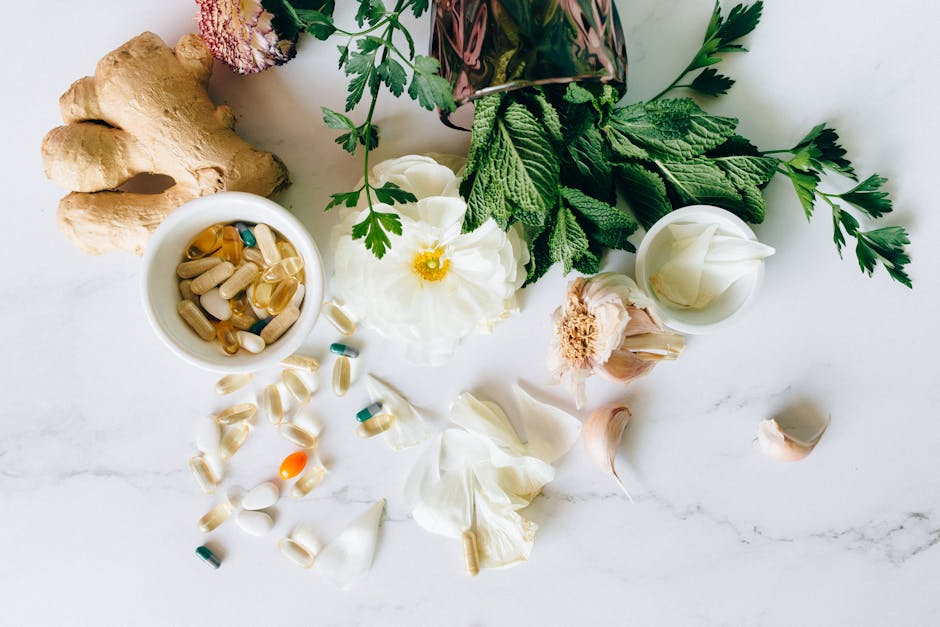
Quick Facts
Used for:
Available forms:
⚠️ Cautions:
- • May thin blood – use carefully with medications
- • Can increase gastric acid
- • High doses may cause heartburn
Overview
Ginger (Zingiber officinale) is one of the world’s most versatile healing spices. This knobby root has been used for over 2,000 years in traditional medicine systems across Asia, and modern research confirms many of its traditional uses.
Key Compounds
- Gingerols: Responsible for the spicy taste and anti-inflammatory effects
- Shogaols: Formed when ginger is dried, contribute to warming properties
- Zingerone: Gives dried ginger its characteristic flavor
- Essential oils: Provide aromatic and therapeutic properties
Traditional Uses
Digestive Health
Ginger is perhaps best known for settling upset stomachs. It works by:
- Stimulating digestive enzymes
- Reducing gastric contractions
- Speeding gastric emptying
- Reducing inflammation in the digestive tract
Nausea Relief
Effective for various types of nausea:
- Motion sickness
- Morning sickness in pregnancy
- Chemotherapy-induced nausea
- Post-operative nausea
Cold and Flu Support
Ginger’s warming properties make it valuable for:
- Promoting circulation
- Inducing perspiration to break fevers
- Soothing sore throats
- Supporting respiratory health
How to Use Ginger
Fresh Ginger Tea
- Slice 1-2 inches of fresh ginger root
- Simmer in 2 cups water for 10-15 minutes
- Strain and add honey or lemon if desired
- Drink warm for best effects
Ginger Shots
- Juice fresh ginger root
- Mix with lemon juice and honey
- Take 1-2 tablespoons daily for immune support
Cooking Applications
- Add fresh ginger to stir-fries and soups
- Use ground ginger in baking
- Make ginger-infused oils for cooking
Safety Considerations
Generally Safe For
- Most healthy adults in culinary amounts
- Short-term use for specific conditions
- Pregnant women in small amounts (consult provider)
Use Caution If
- Taking blood-thinning medications
- Have gallstones
- Scheduled for surgery (stop 2 weeks prior)
- Have gastric ulcers
Dosage Guidelines
- Fresh ginger: 1-4 grams daily
- Dried ginger: 250mg-1g daily
- Tea: 1-2 cups daily
- For nausea: 250mg every 4 hours as needed
Quality and Storage
- Choose firm, smooth roots without wrinkles
- Store fresh ginger in refrigerator for 2-3 weeks
- Freeze ginger for longer storage
- Dried ginger powder should be stored in airtight containers
Remedies Using Ginger
Natural Acid Reflux and GERD Relief
Relieve acid reflux naturally with soothing herbs, dietary modifications, and lifestyle changes for digestive comfort.
Natural Support for Arthritis Pain
Natural approaches to support arthritis management using anti-inflammatory remedies, movement therapy, and lifestyle modifications.
Natural Remedies for Bloating
Gentle digestive remedies to reduce bloating using herbs, teas, and dietary adjustments.
Natural Remedies for Back Pain
Effective natural approaches to back pain relief using heat therapy, movement, anti-inflammatory remedies, and lifestyle modifications.
Natural Circulation Support
Improve blood circulation naturally with herbs, exercises, and lifestyle changes to support cardiovascular health and energy.
Natural Remedies for Common Cold
Natural ways to support your body's recovery from cold symptoms using herbs, nutrition, and rest.
Frequently Asked Questions
Is ginger tea safe to drink daily?
Generally safe in moderation (1-2 cups daily), but consult if on blood-thinning medications.
Fresh vs dried ginger - which is better?
Fresh ginger is more potent for digestive issues, while dried ginger is warming and good for circulation.
Can pregnant women use ginger?
Small amounts for morning sickness are generally considered safe, but consult your healthcare provider.