Natural Acid Reflux and GERD Relief
Relieve acid reflux naturally with soothing herbs, dietary modifications, and lifestyle changes for digestive comfort.
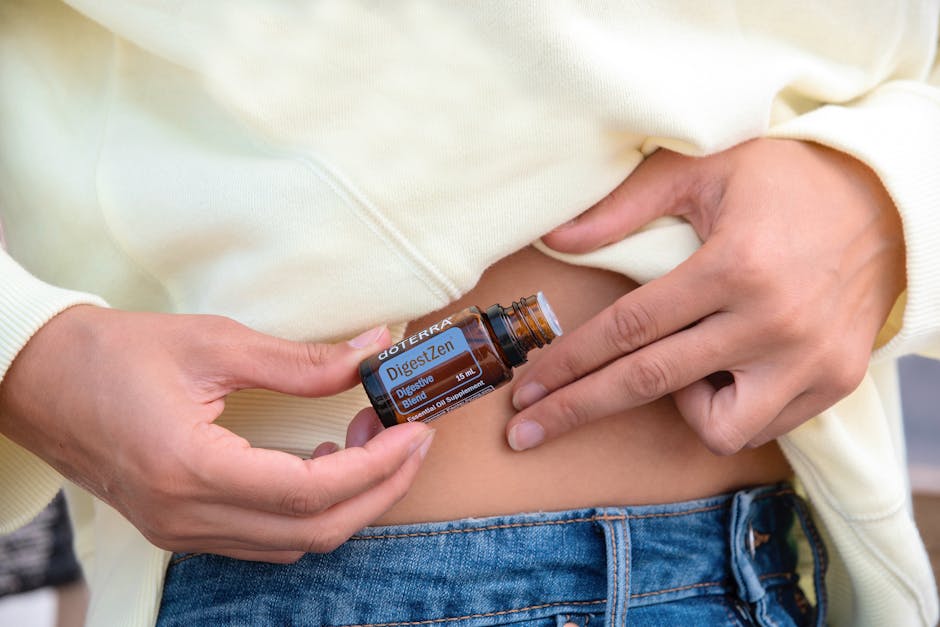
Important Notice: This information is for educational purposes only and is not intended as medical advice. Always consult with a qualified healthcare provider before trying new remedies, especially if you have underlying health conditions or take medications.
Quick Remedies
- Aloe vera juice: Drink 2 ounces of pure aloe vera juice before meals to soothe the esophagus
- Slippery elm tea: Mix 1 tablespoon of slippery elm powder in warm water and sip slowly
- Ginger tea: Steep fresh ginger slices in hot water for 10 minutes and drink 20 minutes before eating
- DGL licorice: Chew 1-2 DGL tablets before meals to coat and protect the stomach lining
- Chamomile tea: Brew a cup after meals to calm digestive inflammation
Understanding Acid Reflux
Acid reflux occurs when stomach acid flows back into the esophagus, causing a burning sensation commonly known as heartburn. When this happens frequently, it may be classified as gastroesophageal reflux disease (GERD). The lower esophageal sphincter, a ring of muscle that acts as a valve between the esophagus and stomach, may weaken or relax at inappropriate times, allowing acid to escape upward.
Common Causes
- Overeating or eating large meals that put pressure on the stomach
- Consuming trigger foods such as spicy dishes, citrus, tomatoes, chocolate, and caffeine
- Lying down too soon after eating
- Excess weight placing pressure on the abdomen
- Stress and anxiety affecting digestive function
- Smoking, which weakens the lower esophageal sphincter
Natural Approaches
Aloe Vera
Aloe vera juice can help soothe irritated esophageal tissue and reduce inflammation in the digestive tract. Choose decolorized and purified aloe vera juice to avoid its laxative components. Drink a small amount 20 minutes before meals for protective benefits.
Slippery Elm
Slippery elm bark contains mucilage, a gel-like substance that coats and protects the lining of the esophagus and stomach. Mix the powdered bark with water to form a soothing drink, or take it in lozenge form for on-the-go relief.
DGL Licorice
Deglycyrrhizinated licorice (DGL) stimulates the body’s natural protective mechanisms in the digestive tract. It helps increase mucus production in the stomach lining without the blood pressure side effects of whole licorice. Chew tablets before meals for best results.
Ginger
Ginger has natural anti-inflammatory properties and can help improve gastric motility, encouraging food to move through the stomach more efficiently. Use fresh ginger in tea or cooking, but avoid excessive amounts, which may worsen symptoms in some individuals.
Chamomile
Chamomile tea offers gentle anti-inflammatory and calming effects on the digestive system. It can reduce stomach acid irritation and help manage stress-related reflux. Enjoy a warm cup after meals or before bed.
Lifestyle Modifications
Simple habit changes can make a significant difference in managing acid reflux. Eat smaller, more frequent meals rather than large ones, and avoid eating within three hours of bedtime. Elevate the head of your bed by six to eight inches to prevent nighttime reflux. Identify and avoid your personal trigger foods by keeping a food diary.
Supporting Your Recovery
Maintaining a healthy weight reduces abdominal pressure on the stomach. Wear loose-fitting clothing around the waist, and practice stress-reduction techniques such as deep breathing or meditation, as stress can increase acid production. Chewing food thoroughly and eating slowly also helps reduce the burden on your digestive system.
Key Ingredients
Lifestyle Tips
- ✓ Smaller meals
- ✓ Avoid triggers
- ✓ Elevate head
- ✓ Don't eat before bed
⚠️ When to Seek Medical Help
- ⚠️ Severe symptoms
- ⚠️ Difficulty swallowing
- ⚠️ Weight loss
- ⚠️ Chronic cough
Frequently Asked Questions
Can natural remedies replace acid reflux medications?
Natural remedies may help manage mild symptoms, but severe GERD often requires medical treatment. Work with a healthcare provider.
What foods should I avoid with acid reflux?
Common triggers include spicy foods, citrus, tomatoes, chocolate, caffeine, alcohol, and fatty foods, but triggers vary by individual.
Why is eating smaller meals helpful for acid reflux?
Smaller meals put less pressure on the lower esophageal sphincter and reduce the likelihood of stomach contents backing up.