Aloe Vera – Uses & Benefits
Healing succulent plant renowned for skin care, digestive support, and anti-inflammatory properties with extensive therapeutic applications.
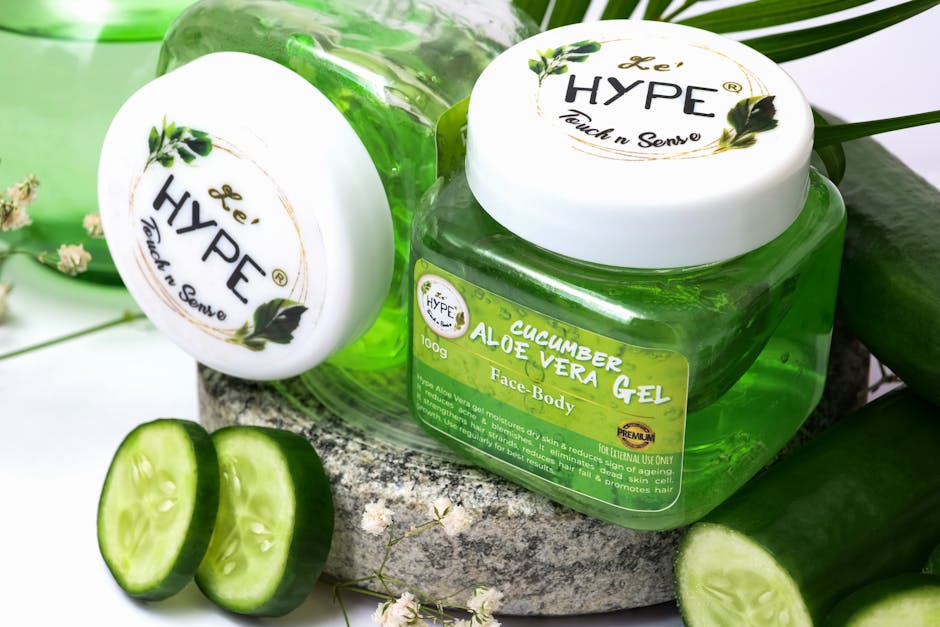
Quick Facts
Used for:
Available forms:
⚠️ Cautions:
- • Latex form can cause cramping
- • May lower blood sugar
- • Not for internal use during pregnancy
Overview
Aloe vera (Aloe barbadensis miller) is often called the “plant of immortality” and has been used medicinally for over 6,000 years. This succulent plant contains over 75 active compounds that work synergistically to provide healing, anti-inflammatory, and moisturizing benefits.
Plant Profile
Botanical Characteristics
- Family: Asphodelaceae
- Native region: Arabian Peninsula
- Growth habit: Rosette-forming succulent
- Leaves: Thick, fleshy, serrated edges
- Size: 2-3 feet tall and wide when mature
Growing Conditions
- Climate: Warm, arid environments
- Soil: Well-draining, sandy soil
- Water: Drought-tolerant, water sparingly
- Light: Bright, indirect sunlight
- Temperature: 55-80°F (13-27°C)
Active Compounds
Gel Components
The clear inner gel contains most therapeutic compounds:
- Polysaccharides: Acemannan, glucomannan (immune support)
- Glycoproteins: Anti-inflammatory and healing
- Amino acids: 20 of 22 amino acids including 8 essential
- Vitamins: A, C, E, B12, folic acid, choline
- Minerals: Calcium, chromium, copper, selenium, magnesium, manganese, potassium, sodium, zinc
Enzymes
Natural enzymes that aid digestion and healing:
- Amylase: Breaks down sugars and starches
- Lipase: Breaks down fats
- Cellulase: Aids fiber digestion
- Peroxidase: Anti-inflammatory properties
Phenolic Compounds
Antioxidant and antimicrobial substances:
- Aloin: Bitter compound with laxative effects (in latex)
- Emodin: Antimicrobial properties
- Cinnamic acid: Antimicrobial and antifungal
- Salicylic acid: Anti-inflammatory and antimicrobial
Traditional Uses
Ancient Applications
Historical use across civilizations:
- Egypt: Cleopatra used aloe for beauty treatments
- Greece: Alexander the Great’s army used for wound healing
- China: Traditional medicine for skin conditions
- India: Ayurvedic medicine for digestive and skin health
Folk Medicine
Traditional applications worldwide:
- Skin conditions: Burns, cuts, rashes, eczema
- Digestive issues: Constipation, stomach ulcers
- Hair care: Scalp health and dandruff
- General healing: Wound healing and pain relief
Modern Research Applications
Wound Healing and Skin Care
Extensive research supports skin benefits:
- Burn treatment: Accelerates healing of first and second-degree burns
- Wound healing: Increases collagen synthesis
- Anti-inflammatory: Reduces redness and swelling
- Moisturizing: Provides deep hydration without greasiness
Digestive Health
Research on internal applications:
- Ulcerative colitis: May reduce inflammation
- Constipation: Latex form has laxative effects
- Digestive soothing: Gel soothes irritated digestive tract
- Prebiotic effects: Supports beneficial gut bacteria
Psoriasis and Eczema
Clinical studies on inflammatory skin conditions:
- Psoriasis: Topical gel reduces scaling and redness
- Eczema: Anti-inflammatory effects reduce itching
- Dermatitis: Soothes irritated, inflamed skin
- Comparison: Often as effective as mild topical steroids
Diabetes Support
Emerging research on blood sugar:
- Glucose control: May help lower blood sugar levels
- Insulin sensitivity: Preliminary research shows improvement
- Metabolic health: May support healthy metabolism
- Safety note: Monitor blood sugar if using internally
How to Use Aloe Vera
Fresh Plant Application
Harvesting gel:
- Select mature outer leaf (thick and plump)
- Cut leaf close to base of plant
- Let yellow latex drain for 10-15 minutes
- Remove skin with knife to access clear gel
- Use immediately or refrigerate
Direct application:
- Apply fresh gel directly to affected skin
- Reapply every 2-3 hours as needed
- Cover with light bandage if needed
- Rinse hands after application
Storage tips:
- Refrigerate fresh gel up to 1 week
- Add vitamin C powder to extend shelf life
- Freeze in ice cube trays for convenience
- Label with harvest date
Topical Preparations
Pure aloe vera gel:
- Look for 99%+ pure inner leaf gel
- Avoid products with alcohol or harsh additives
- Store in cool place after opening
- Check expiration dates regularly
Healing salve recipe:
- 1/4 cup fresh aloe gel
- 2 tablespoons coconut oil
- 1 tablespoon beeswax
- 5 drops lavender essential oil
- Melt ingredients, cool, add oil
Sunburn relief spray:
- 1/2 cup aloe vera gel
- 1/4 cup witch hazel
- 10 drops peppermint oil
- Mix in spray bottle, shake before use
Internal Use
Aloe vera juice:
- Choose inner leaf gel products only
- Start with 1-2 tablespoons daily
- Take on empty stomach or before meals
- Dilute in water or juice if desired
Digestive support:
- 1/4 cup aloe juice 20 minutes before meals
- Mix with water or herbal tea
- Monitor for any digestive changes
- Use pure, additive-free products
Safety for internal use:
- Avoid whole leaf or latex-containing products
- Start with small amounts
- Monitor blood sugar if diabetic
- Consult healthcare provider for ongoing use
Hair and Scalp Care
Scalp treatment:
- Apply fresh gel to scalp and hair
- Massage gently for 5 minutes
- Leave on 20-30 minutes
- Rinse with mild shampoo
Dandruff control:
- Mix aloe gel with tea tree oil
- Apply to scalp before bed
- Cover with shower cap
- Shampoo in morning
Hair mask:
- Combine aloe gel with coconut oil
- Add honey for extra conditioning
- Apply to damp hair
- Leave 30 minutes, rinse thoroughly
Forms and Products
Fresh Plant
Most potent and natural form:
- Advantages: Maximum potency, no additives
- Disadvantages: Short shelf life, requires plant care
- Best for: Immediate use, frequent applications
- Storage: Harvest as needed or refrigerate briefly
Commercial Gel
Convenient and shelf-stable:
- Look for: 99%+ pure inner leaf gel
- Avoid: Products with alcohol, artificial colors, fragrances
- Benefits: Convenient, longer shelf life
- Uses: Daily skin care, wound care
Aloe Vera Juice
For internal consumption:
- Inner leaf gel: Safest for internal use
- Whole leaf: Contains latex, can cause cramping
- Quality indicators: Organic, no artificial additives
- Refrigeration: Required after opening
Capsules and Supplements
Concentrated forms:
- Standardized extracts: Consistent potency
- Freeze-dried: Maintains most compounds
- Dosage: Follow manufacturer recommendations
- Quality: Choose reputable brands with testing
Powdered Form
Concentrated and shelf-stable:
- Uses: Mix into drinks, add to recipes
- Benefits: Long shelf life, concentrated
- Reconstitution: Mix with water to create gel
- Storage: Keep dry and cool
Growing Your Own Aloe
Indoor Cultivation
Aloe vera thrives as a houseplant:
- Container: Well-draining pot with drainage holes
- Soil: Cactus/succulent potting mix
- Watering: Every 2-3 weeks, when soil is dry
- Light: Bright, indirect sunlight
Outdoor Growing
In suitable climates:
- Climate zones: 9-11 (can survive brief frost)
- Soil preparation: Amend clay soil with sand
- Spacing: 2-3 feet apart for mature plants
- Maintenance: Minimal water, remove dead leaves
Propagation
Easy to multiply:
- Pups: Small plants growing from base
- Division: Separate pups with roots attached
- Timing: Spring is best time for division
- Success rate: Very high with proper care
Harvesting Guidelines
Sustainable harvesting practices:
- Plant age: Wait until plant is 2-3 years old
- Leaf selection: Choose thick, mature outer leaves
- Frequency: Harvest no more than 1-2 leaves at a time
- Healing: Allow plant time to recover between harvests
Quality and Selection
Choosing Fresh Aloe
Quality indicators for live plants:
- Leaf thickness: Plump, full leaves
- Color: Green with slight blue tint
- Firmness: Leaves should feel firm and full
- No damage: Avoid plants with brown or soft spots
Commercial Product Selection
What to look for in store-bought aloe:
- Ingredient list: Aloe should be first ingredient
- Purity: 99%+ pure aloe vera gel
- No harsh additives: Avoid alcohol, artificial fragrances
- Organic certification: Preferred when available
Storage Requirements
Maintaining potency:
- Fresh gel: Refrigerate, use within a week
- Commercial products: Follow label directions
- Temperature: Avoid extreme heat or freezing
- Light: Store in dark or opaque containers
Safety and Precautions
Generally Safe For
- Topical use on most people
- Short-term internal use of inner leaf gel
- Children (topical use)
- Minor burns, cuts, and skin irritations
Use Caution If
- Diabetes: May lower blood sugar
- Surgery: Stop internal use 2 weeks before surgery
- Kidney problems: Avoid products with aloin
- Pregnancy/nursing: Avoid internal use
Potential Side Effects
Topical use:
- Rare allergic reactions
- Skin irritation in sensitive individuals
- Temporary stinging on open wounds
Internal use:
- Digestive upset if taken in large amounts
- Electrolyte imbalances with latex forms
- Blood sugar changes
- Possible drug interactions
Drug Interactions
Potential interactions with:
- Diabetes medications: May enhance blood sugar lowering
- Diuretics: May increase potassium loss
- Heart medications: May affect potassium levels
- Blood thinners: Limited evidence of interaction
Sustainable Practices
Environmental Benefits
Aloe vera as a sustainable choice:
- Low water needs: Drought-tolerant plant
- Air purification: Removes formaldehyde and benzene
- Easy cultivation: Requires minimal resources
- Renewable: Continuous harvest from same plant
Ethical Considerations
Supporting responsible practices:
- Fair trade: Choose certified fair trade products
- Organic farming: Supports sustainable agriculture
- Local growing: Reduce transportation impact
- Minimal processing: Less environmental impact
Traditional Wisdom
Cultural Significance
Aloe vera in different cultures:
- Egypt: “Plant of immortality” in ancient texts
- Native American: Used for skin protection and healing
- Africa: Traditional medicine for various ailments
- Mediterranean: Folk remedy for digestive issues
Modern Validation
Science confirms traditional uses:
- Wound healing: Validated by multiple studies
- Skin conditions: Research supports historical use
- Anti-inflammatory: Mechanism of action understood
- Safety profile: Generally confirms traditional safety
Aloe vera represents one of nature’s most versatile healing plants, offering gentle yet effective support for skin health, wound healing, and digestive wellness. Whether grown at home or purchased as high-quality products, this remarkable plant continues to provide the same benefits that have made it treasured across cultures for thousands of years.
Related Articles
For more information on natural healing and plant-based remedies, explore:
- Eczema Natural Treatment - Aloe vera for inflammatory skin conditions
- Burn Healing - Natural approaches to burn care
- Dry Skin Treatment - Natural moisturizing strategies
- Digestive Health - Natural digestive support
- Wound Healing - Natural approaches to wound recovery
Remedies Using Aloe Vera
Natural Acid Reflux and GERD Relief
Relieve acid reflux naturally with soothing herbs, dietary modifications, and lifestyle changes for digestive comfort.
Natural Remedies for Acne
Gentle, effective natural treatments for acne using antibacterial herbs, dietary changes, and skin-balancing remedies.
Natural Remedies for Constipation
Gentle, effective natural approaches to relieve constipation using fiber, herbs, and lifestyle modifications.
Natural Support for Digestive Health and Gut Wellness
Natural approaches to improve digestion, heal the gut lining, and support optimal digestive function using herbs, diet, and lifestyle changes.
Natural Remedies for Dry Skin
Moisturizing oils, healing herbs, and lifestyle approaches to restore and maintain healthy, hydrated skin.
Natural Remedies for Eczema
Gentle, effective natural treatments for eczema using moisturizing herbs, dietary changes, and skin-soothing remedies.
Frequently Asked Questions
Is fresh aloe vera better than store-bought products?
Fresh aloe vera gel is generally more potent and pure, but quality commercial products can be effective when 99%+ pure aloe is used.
Can aloe vera be used internally?
Yes, inner leaf gel can be consumed, but avoid whole leaf products containing latex which can be harsh on the digestive system.
How long does fresh aloe vera gel last?
Fresh gel should be used within 24-48 hours or refrigerated for up to a week. Add vitamin C to extend shelf life.