Chamomile – Uses & Benefits
Gentle flower with calming properties, ideal for sleep, digestion, and stress relief.
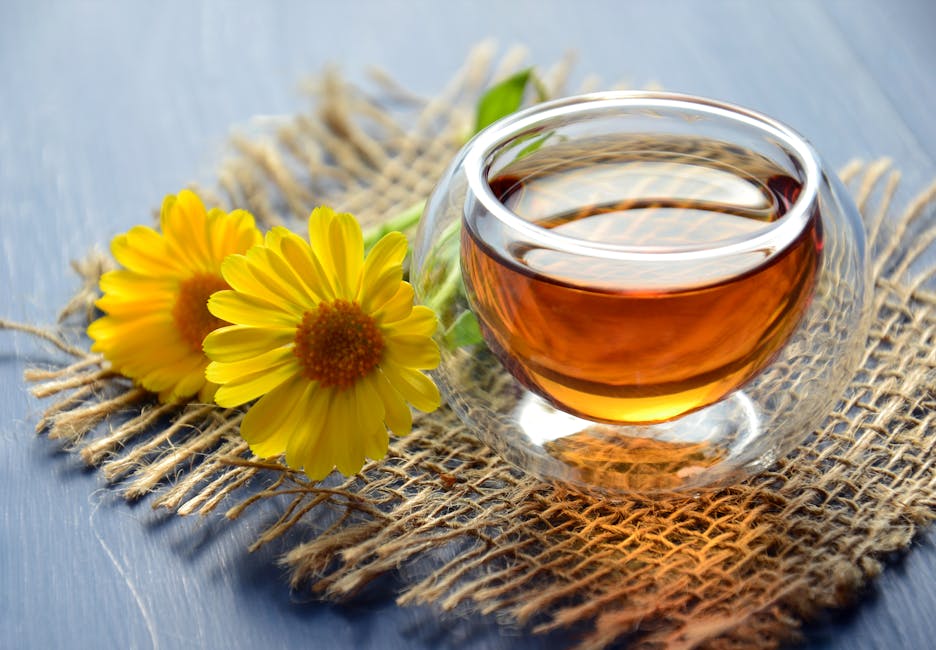
Quick Facts
Used for:
Available forms:
⚠️ Cautions:
- • May cause allergic reactions in those sensitive to ragweed family
- • Can interact with blood thinners
- • Avoid if allergic to daisies
Overview
Chamomile (Matricaria chamomilla) is one of the world’s oldest and most beloved medicinal herbs. This daisy-like flower has been used for centuries across European and Middle Eastern traditional medicine systems for its gentle, calming effects.
Active Compounds
- Apigenin: Flavonoid that binds to brain receptors to promote sleepiness
- Chamazulene: Anti-inflammatory compound that gives chamomile its blue color
- Bisabolol: Soothing agent with anti-inflammatory properties
- Essential oils: Contribute to calming aromatherapy effects
Traditional Uses
Sleep and Relaxation
Chamomile is renowned for its mild sedative effects:
- Reduces anxiety and nervous tension
- Promotes restful sleep without grogginess
- Helps with sleep onset and quality
- Safe for long-term use
Digestive Support
Gentle on the stomach and helpful for:
- Indigestion and bloating
- Stomach cramps and spasms
- Nausea and morning sickness
- Inflammatory bowel conditions
Skin Health
Applied topically, chamomile can:
- Soothe irritated skin
- Reduce inflammation and redness
- Help with eczema and dermatitis
- Promote wound healing
How to Use Chamomile
Chamomile Tea
Traditional preparation:
- Use 1 tablespoon dried flowers per cup of water
- Pour hot (not boiling) water over flowers
- Steep covered for 5-10 minutes
- Strain and enjoy warm
For sleep: Drink 30-60 minutes before bedtime For digestion: Sip slowly after meals
Aromatherapy
- Add dried flowers to potpourri
- Use essential oil in diffuser
- Add to bath water for relaxation
- Make chamomile-infused oil for massage
Topical Applications
- Compress: Soak cloth in cooled chamomile tea
- Bath soak: Add 1-2 cups of strong tea to bathwater
- Steam facial: Breathe steam from hot chamomile tea
- Hair rinse: Use cooled tea as final rinse for shine
Safety and Quality
Generally Safe For
- Most adults and children over 6 months
- Pregnant women in tea form (consult provider)
- Long-term daily use in moderate amounts
- People seeking gentle, natural calm
Use Caution If
- Allergic to ragweed, asters, or chrysanthemums
- Taking sedative medications
- Scheduled for surgery (may enhance anesthesia)
- Have hormone-sensitive conditions
Choosing Quality Chamomile
- Organic when possible: Reduces pesticide exposure
- Whole flowers: More potent than broken pieces
- Pleasant aroma: Should smell sweet and apple-like
- Proper storage: Keep in airtight containers away from light
Combining Chamomile
Sleep Blends
- Chamomile + lavender for deeper relaxation
- Chamomile + passionflower for anxiety
- Chamomile + lemon balm for gentle calm
Digestive Blends
- Chamomile + ginger for nausea
- Chamomile + peppermint for stomach upset
- Chamomile + fennel for bloating
Scientific Research
Studies support chamomile’s traditional uses:
- Improves sleep quality in elderly adults
- Reduces anxiety symptoms
- Shows anti-inflammatory effects
- Demonstrates mild antimicrobial activity
Remedies Using Chamomile
Natural Acid Reflux and GERD Relief
Relieve acid reflux naturally with soothing herbs, dietary modifications, and lifestyle changes for digestive comfort.
Natural Remedies for Anxiety
Calming herbs, breathing techniques, and lifestyle approaches to help manage anxious feelings naturally.
Natural Remedies for Bloating
Gentle digestive remedies to reduce bloating using herbs, teas, and dietary adjustments.
Natural Remedies for Eczema
Gentle, effective natural treatments for eczema using moisturizing herbs, dietary changes, and skin-soothing remedies.
Natural Remedies for Insomnia
Gentle, natural approaches to improve sleep quality using herbs, routine, and relaxation techniques.
Natural Remedies for Nausea
Gentle, effective remedies to settle nausea using ginger, peppermint, and other natural approaches.
Frequently Asked Questions
How much chamomile tea is safe daily?
2-3 cups of chamomile tea daily is generally considered safe for most adults.
Can children drink chamomile tea?
Small amounts are generally safe for children over 6 months, but consult a pediatrician first.
Does chamomile interfere with medications?
Chamomile may enhance the effects of sedatives and blood thinners. Consult your healthcare provider.