Natural Digestive Health Solutions
Gentle, effective remedies for common digestive issues using herbs, foods, and lifestyle approaches.
Natural Digestive Wellness
A healthy digestive system is the foundation of overall wellness. These natural remedies can help support digestive comfort and function using time-tested herbs, foods, and gentle techniques.
Essential Digestive Herbs
🌿 Ginger
The ultimate digestive ally for nausea, motion sickness, and stomach upset.
Best for:
- Nausea and vomiting
- Morning sickness
- Motion sickness
- General stomach upset
How to use:
- Fresh ginger tea with honey
- Crystallized ginger pieces
- Ginger capsules before travel
- Add fresh ginger to smoothies
🌱 Peppermint
Cooling and antispasmodic, perfect for digestive cramping and gas.
Benefits:
- Relieves stomach cramps
- Reduces gas and bloating
- Soothes digestive inflammation
- Freshens breath naturally
Applications:
- Peppermint tea after meals
- Enteric-coated peppermint oil capsules
- Fresh mint in water
- Aromatherapy for nausea
🌼 Chamomile
Gentle anti-inflammatory that calms digestive irritation.
Ideal for:
- Stress-related stomach upset
- Mild digestive inflammation
- Nervous stomach
- Bedtime digestive support
Preparation:
- Chamomile tea 30 minutes after meals
- Combined with ginger for enhanced effect
- Evening tea for overnight healing
Common Digestive Issues & Solutions
Upset Stomach
Quick relief:
- Ginger tea with honey
- Peppermint tea
- Rice water (plain rice boiled in extra water)
- Warm fennel tea
Prevention:
- Eat slowly and chew thoroughly
- Avoid trigger foods
- Stay hydrated
- Manage stress levels
Nausea
Immediate help:
- Fresh ginger (chew small piece)
- Peppermint aromatherapy
- Lemon scent inhalation
- Crackers or dry toast
Natural solutions:
- Acupressure on P6 point (inner wrist)
- Fresh air and cool temperature
- Small, frequent meals
- Avoid strong odors
Heartburn & Acid Reflux
Soothing remedies:
- Aloe vera juice (1/4 cup before meals)
- Apple cider vinegar in water
- Slippery elm tea
- Chew gum to increase saliva
Lifestyle support:
- Eat smaller meals
- Avoid lying down after eating
- Elevate head while sleeping
- Identify trigger foods
Bloating & Gas
Relief techniques:
- Fennel tea after meals
- Gentle abdominal massage
- Walking after eating
- Warm compress on stomach
Prevention strategies:
- Chew food thoroughly
- Avoid carbonated drinks
- Limit gas-producing foods temporarily
- Practice mindful eating
Digestive-Supporting Foods
Probiotic Foods
Support gut bacteria balance:
- Plain yogurt with live cultures
- Kefir for diverse probiotics
- Sauerkraut and fermented vegetables
- Kimchi for spicy probiotic boost
- Kombucha fermented tea
Prebiotic Foods
Feed beneficial gut bacteria:
- Garlic and onions (when tolerated)
- Asparagus and artichokes
- Bananas (especially slightly green)
- Oats and other whole grains
- Apples with skin
Fiber-Rich Options
For healthy digestion:
- Leafy greens for gentle fiber
- Berries for antioxidants and fiber
- Chia seeds for soluble fiber
- Sweet potatoes for digestive support
- Avocados for healthy fats and fiber
Digestive Teas & Blends
After-Meal Digestive Tea
Blend recipe:
- 1 part peppermint
- 1 part chamomile
- 1/2 part fennel seeds
- 1/2 part ginger
Preparation:
- 1 teaspoon blend per cup hot water
- Steep 5-10 minutes
- Drink warm after meals
Morning Digestive Support
Ingredients:
- Warm water with lemon juice
- 1 teaspoon apple cider vinegar
- Optional: honey to taste
Benefits:
- Stimulates digestive enzymes
- Supports liver function
- Balances stomach acid
- Hydrates after overnight fast
Evening Calm Blend
For overnight digestive healing:
- Chamomile for inflammation
- Ginger for gentle warming
- Licorice root for soothing (avoid with high blood pressure)
- Marshmallow root for coating effect
Lifestyle Practices for Digestive Health
Mindful Eating
- Slow down and chew each bite thoroughly
- Eliminate distractions during meals
- Pay attention to hunger and fullness cues
- Express gratitude for your food
Meal Timing
- Regular meal schedule supports digestive rhythm
- Larger breakfast and lunch with lighter dinner
- Stop eating 3 hours before bedtime
- Stay hydrated between meals, not during
Stress Management
- Deep breathing before meals
- Gentle walks after eating
- Stress reduction techniques
- Adequate sleep for digestive repair
Natural Digestive Aids
Apple Cider Vinegar
For low stomach acid:
- 1 tablespoon in water before meals
- Start with 1 teaspoon and increase gradually
- Use raw, unfiltered variety
- Rinse mouth after to protect teeth
Digestive Enzymes
Natural sources:
- Papaya contains papain enzyme
- Pineapple provides bromelain
- Raw honey has various enzymes
- Fermented foods provide natural enzymes
Bitters
Traditional digestive stimulants:
- Dandelion root tea before meals
- Gentian root in small amounts
- Artichoke leaf extract
- Swedish bitters (herbal blend)
Emergency Digestive Kit
Keep these readily available:
- Ginger capsules or crystallized ginger
- Peppermint tea bags for quick relief
- Activated charcoal for gas and toxins
- Probiotics for gut balance
- Electrolyte solution ingredients
- Chamomile tea for inflammation
Foods to Limit During Digestive Upset
Temporarily avoid:
- Dairy products (may increase mucus)
- High-fat foods (hard to digest)
- Spicy foods (may irritate)
- Raw vegetables (temporarily harder to digest)
- Carbonated beverages (may increase gas)
- Artificial sweeteners (may cause digestive upset)
Focus on:
- Plain rice and toast
- Bananas for potassium
- Cooked vegetables that are easier to digest
- Bone broth for nutrients and hydration
- Herbal teas for soothing effects
Prevention & Long-term Support
Daily Habits
- Start day with warm lemon water
- Include fermented foods regularly
- Eat diverse, colorful foods
- Stay consistently hydrated
- Practice stress management
Weekly Practices
- Meal prep for consistent eating
- Try new digestive-supporting recipes
- Assess and adjust portions
- Plan relaxing meal times
Monthly Review
- Notice digestive patterns and triggers
- Adjust herbs and supplements as needed
- Evaluate stress levels and management
- Celebrate improvements in digestive health
When to Seek Professional Help
Contact healthcare provider for:
- Persistent digestive issues beyond 2 weeks
- Severe abdominal pain
- Blood in stool or vomit
- Unexplained weight loss
- Signs of dehydration
- Symptoms interfering with daily life
Related Remedies
Explore specific digestive solutions:
- Upset Stomach Relief - Immediate stomach soothing
- Nausea Management - Natural anti-nausea techniques
- Heartburn Solutions - Acid reflux relief
- Bloating Prevention - Gas and bloating support
- Constipation Relief - Natural regularity support
Key Ingredients
Learn more about digestive herbs:
- Ginger Benefits - Complete ginger guide
- Peppermint Uses - Digestive and aromatherapy applications
- Chamomile Properties - Gentle healing herb
- Fennel Benefits - Traditional digestive aid
- Apple Cider Vinegar - Digestive support uses
Remember: These natural approaches support digestive wellness but are not medical treatments. For chronic or severe digestive issues, always consult with a qualified healthcare provider for proper diagnosis and treatment.
Remedies in This Collection

Natural Remedies for Upset Stomach
Gentle, effective remedies to soothe digestive discomfort using herbs, foods, and simple techniques.
Natural Remedies for Nausea
Gentle, effective remedies to settle nausea using ginger, peppermint, and other natural approaches.

Natural Remedies for Heartburn
Safe, effective natural approaches to heartburn relief using herbs, dietary changes, and lifestyle modifications.

Natural Remedies for Bloating
Gentle digestive remedies to reduce bloating using herbs, teas, and dietary adjustments.

Natural Remedies for Constipation
Gentle, effective natural approaches to relieve constipation using fiber, herbs, and lifestyle modifications.
Key Ingredients
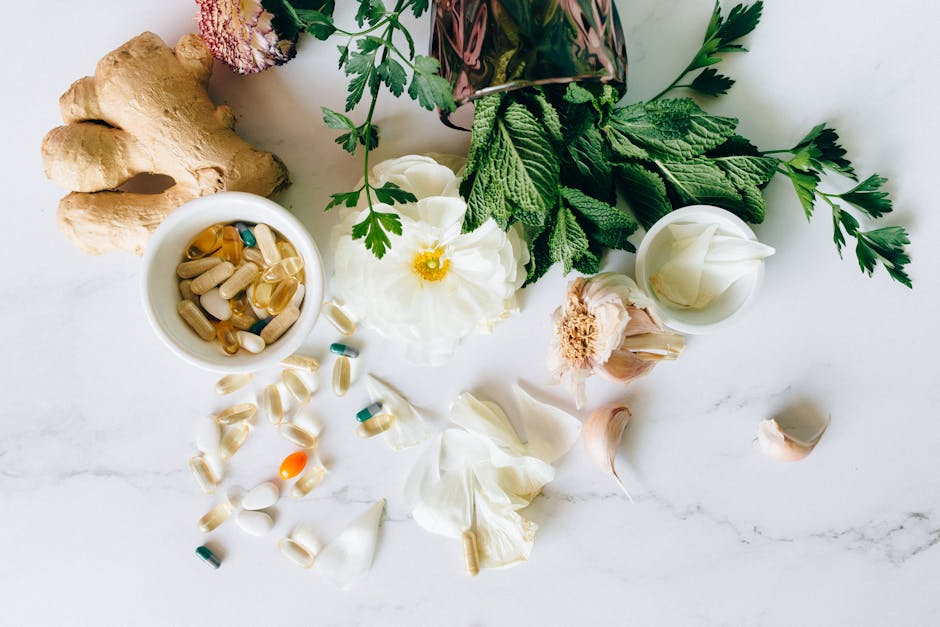
Ginger – Uses & Benefits
Warming root used in teas, cooking, and remedies for digestion and colds.
Used for:

Chamomile – Uses & Benefits
Gentle flower with calming properties, ideal for sleep, digestion, and stress relief.
Used for:

Apple Cider Vinegar – Uses & Benefits
Fermented apple vinegar with acetic acid and probiotics, used for digestive health, blood sugar support, and various wellness applications.
Used for:
Important Notice
This information is for educational purposes only and should not replace professional medical advice. Always consult with a healthcare provider before trying new remedies.