Natural Anti-Inflammatory Support
Reduce inflammation naturally with anti-inflammatory foods, herbs, and lifestyle practices for overall wellness and pain relief.
Important Notice: This information is for educational purposes only and is not intended as medical advice. Always consult with a qualified healthcare provider before trying new remedies, especially if you have underlying health conditions or take medications.
Quick Remedies
- Golden milk: Warm a cup of milk (or plant-based alternative) with 1 teaspoon turmeric, a pinch of black pepper, and honey
- Ginger tea: Steep fresh ginger slices in hot water for 10 minutes for quick anti-inflammatory relief
- Omega-3 serving: Eat a portion of wild-caught salmon, sardines, or take a fish oil supplement
- Tart cherry juice: Drink 8 ounces of tart cherry juice to reduce inflammatory markers
- Quercetin-rich foods: Eat apples, onions, or berries for natural flavonoid-based inflammation support
Understanding Inflammation
Inflammation is the body’s natural response to injury, infection, or irritation. Acute inflammation is a healthy and necessary process that helps the body heal. However, when inflammation becomes chronic, persisting for weeks, months, or even years, it can contribute to a wide range of health problems including heart disease, arthritis, digestive disorders, and autoimmune conditions. Chronic inflammation is often driven by diet, stress, lack of exercise, and environmental toxins.
Common Causes of Chronic Inflammation
- Diet high in processed foods, refined sugars, and unhealthy fats
- Chronic stress and poor sleep quality
- Sedentary lifestyle and obesity
- Environmental toxins and pollutants
- Underlying infections or autoimmune conditions
Natural Approaches
Turmeric (Curcumin)
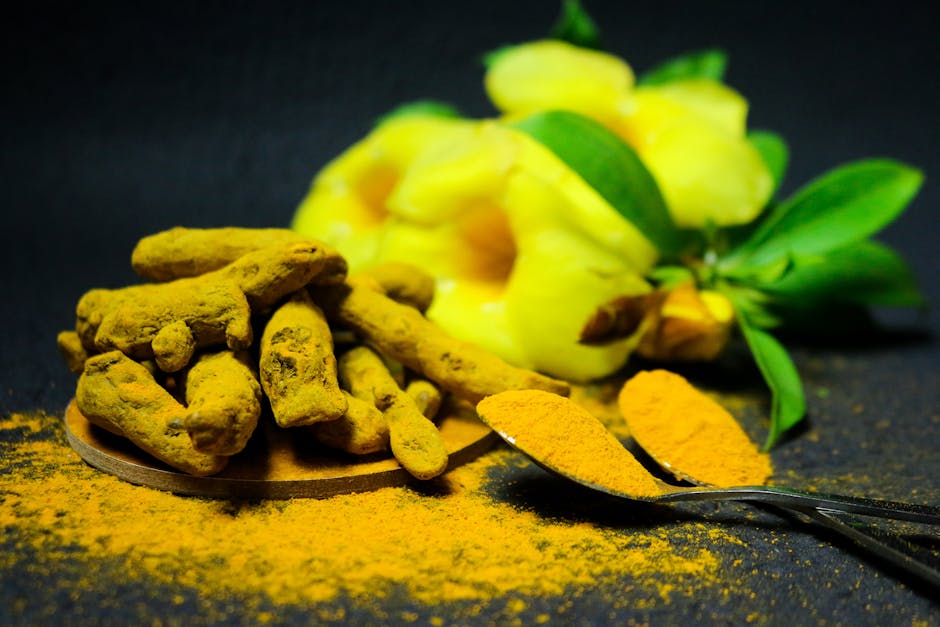
Turmeric’s active compound, curcumin, is one of the most extensively studied natural anti-inflammatory agents. It works by inhibiting NF-kB, a molecule that activates inflammatory genes in cells. Because curcumin is poorly absorbed on its own, always pair turmeric with black pepper (piperine), which enhances absorption by up to 2,000%. Take 500-1,000mg of curcumin extract daily, or use generous amounts of turmeric in cooking.
Omega-3 Fatty Acids
Omega-3 fatty acids, particularly EPA and DHA found in fatty fish, produce anti-inflammatory compounds called resolvins and protectins that actively help resolve inflammation. Aim for two to three servings of fatty fish per week, or supplement with 1,000-2,000mg of combined EPA and DHA daily. Plant-based sources like flaxseeds and walnuts provide ALA, which the body partially converts to EPA and DHA.
Ginger
Ginger contains gingerols and shogaols, compounds that inhibit the production of pro-inflammatory cytokines and prostaglandins. It is particularly helpful for inflammation-related pain in joints and muscles. Use fresh ginger liberally in cooking, drink ginger tea daily, or take 250mg of ginger extract four times a day.
Boswellia and Quercetin
Boswellia (Indian frankincense) contains boswellic acids that block 5-lipoxygenase, an enzyme involved in inflammatory pathways. It is especially useful for joint inflammation and conditions like osteoarthritis. Quercetin, a flavonoid found in apples, onions, and berries, stabilizes mast cells and reduces histamine release while also acting as a potent antioxidant. Together, these natural compounds provide broad anti-inflammatory support.
Lifestyle Modifications
An anti-inflammatory diet is the cornerstone of managing chronic inflammation. Focus on whole foods including vegetables, fruits, whole grains, lean proteins, and healthy fats while minimizing processed foods, sugar, and seed oils. Regular moderate exercise reduces inflammatory markers, quality sleep allows the body to repair and regulate inflammation, and stress management practices like meditation help prevent stress-driven inflammatory responses.
Supporting Your Recovery
Reducing chronic inflammation is a gradual process that rewards consistency. Keep a food journal to identify personal inflammatory triggers, prioritize sleep, and build an exercise habit you can sustain. Over time, these foundational changes can produce profound improvements in pain levels, energy, and overall health.
Key Ingredients
Lifestyle Tips
- ✓ Anti-inflammatory diet
- ✓ Regular exercise
- ✓ Stress management
- ✓ Quality sleep
⚠️ When to Seek Medical Help
- ⚠️ Chronic pain
- ⚠️ Autoimmune symptoms
- ⚠️ Persistent swelling
- ⚠️ Joint problems
Frequently Asked Questions
What's the difference between acute and chronic inflammation?
Acute inflammation is a healthy response to injury, while chronic inflammation is ongoing and can contribute to disease development.
How long does it take for anti-inflammatory herbs to work?
Some people notice improvements within days, while others may need 4-8 weeks of consistent use for full benefits.
Can diet really reduce inflammation?
Yes, anti-inflammatory foods like fatty fish, berries, and leafy greens can significantly reduce inflammatory markers in the body.