Boosting Immunity Naturally: Lifestyle Tips for Every Season
Evidence-based strategies for supporting your immune system year-round through nutrition, sleep, movement, stress management, and targeted natural ingredients.
Important Notice: This article is for informational purposes only and does not constitute medical advice. The immune system is complex, and no single food, supplement, or practice can prevent illness. Consult a healthcare provider for personalized immune health guidance.
Supporting Your Immune System Naturally
The immune system is a remarkably complex network of cells, tissues, and organs that works around the clock to protect you from pathogens. While no natural remedy can guarantee you will never get sick, research consistently shows that certain lifestyle factors significantly influence how well your immune system functions.
Rather than looking for a single “immune booster,” the most effective approach is supporting your immune system through consistent, everyday habits.
The Foundations: Lifestyle Factors
Sleep
Sleep is arguably the single most important factor in immune health. During sleep, the immune system produces and releases cytokines, and immune cells are renewed and redistributed. Studies have shown that sleeping fewer than seven hours per night is associated with a significantly higher risk of developing a cold after virus exposure.
Prioritize seven to nine hours of quality sleep each night, and maintain a consistent sleep schedule.
Regular Physical Activity
Moderate, regular exercise supports immune function by promoting good circulation, which allows immune cells to move through the body more efficiently. Research suggests that 150 minutes per week of moderate activity (such as brisk walking) is associated with improved immune markers.
However, excessive intense exercise without adequate recovery can temporarily suppress immune function. Balance is key.
Stress Management
Chronic stress suppresses immune function through sustained elevation of cortisol. While short-term stress can actually boost certain immune responses, prolonged stress has the opposite effect.
Effective stress management strategies include:
- Mindfulness meditation and deep breathing
- Regular physical activity
- Social connection and community
- Time in nature
- Adequate leisure and rest
Hydration
Staying well-hydrated supports the mucous membranes that serve as your body’s first line of defense against pathogens. Water also supports the lymphatic system, which transports immune cells throughout the body.
Nutritional Support for Immunity
Vitamin C-Rich Foods
Vitamin C supports the production and function of white blood cells. While megadoses have not been proven to prevent colds, adequate daily intake is important for immune function.
Excellent food sources include:
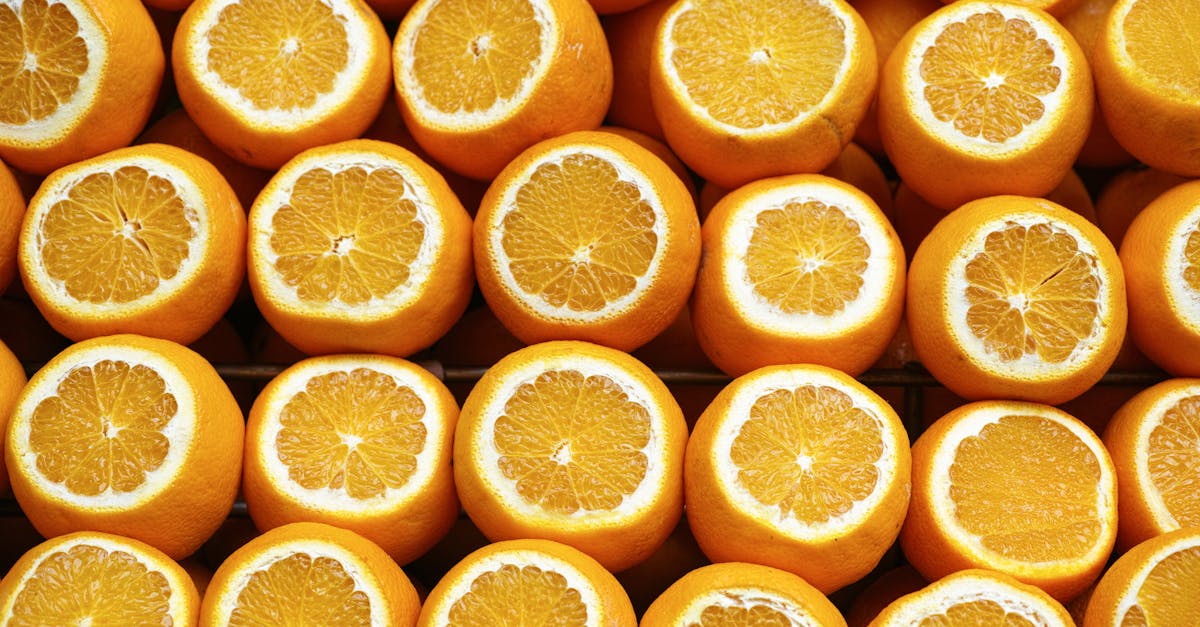
- Citrus fruits (oranges, grapefruits, lemons)
- Bell peppers (especially red)
- Strawberries and kiwi
- Broccoli and Brussels sprouts
- Tomatoes
Zinc
Zinc plays a critical role in immune cell development and communication. Even mild zinc deficiency can impair immune function.
Food sources of zinc include:
- Pumpkin seeds and sesame seeds
- Chickpeas and lentils
- Cashews and almonds
- Whole grains
- Dark chocolate
Vitamin D
Vitamin D is essential for immune regulation, and deficiency is associated with increased susceptibility to infection. Many people, especially those in northern climates, have insufficient vitamin D levels during winter months.
Sources and strategies:
- Moderate sun exposure (10 to 30 minutes depending on skin type and location)
- Fatty fish like salmon and sardines
- Fortified foods
- Supplementation when recommended by a healthcare provider (especially during winter)
Gut-Supporting Foods
Since approximately 70% of the immune system resides in the gut, supporting digestive health is inherently supporting immune health. Include fermented foods like yogurt, kefir, sauerkraut, and kimchi regularly.
Natural Ingredients With Immune-Supporting Traditions
Elderberry
Elderberry has been used in European folk medicine for centuries during seasonal illness. Some studies suggest that elderberry extract may support the body’s immune response. It is commonly consumed as a syrup, gummy, or tea.
Echinacea
One of the most popular immune-support herbs, echinacea has been studied extensively with mixed but generally positive results for supporting the body during seasonal transitions. It is typically taken as a tea or supplement at the onset of symptoms.
Garlic
Garlic contains allicin, a compound with antimicrobial properties that is released when garlic is crushed or chopped. Incorporating raw or lightly cooked garlic into your diet is a flavorful way to support immune health.
Honey
Raw honey has natural antimicrobial properties and has been used traditionally to soothe throats and support wellness during illness. Add it to herbal teas or consume a small spoonful during seasonal challenges.
Turmeric
The curcumin in turmeric has well-documented anti-inflammatory and antioxidant properties that may support immune regulation. Combine with black pepper to enhance absorption.
Seasonal Strategies
Spring and Summer
- Spend more time outdoors to boost vitamin D levels
- Take advantage of fresh, seasonal produce for maximum nutrient intake
- Stay active with outdoor activities
- Manage allergies naturally with local honey and quercetin-rich foods
Autumn and Winter
- Prioritize vitamin D through diet or supplementation
- Stock up on immune-supporting herbs like elderberry and echinacea
- Focus on warming, nutrient-dense soups and stews
- Wash hands frequently and maintain good hygiene practices
- Keep a consistent sleep schedule despite shorter days
The Big Picture
Supporting your immune system is not about any single intervention. It is about creating a lifestyle that consistently provides your body with what it needs to function well: adequate sleep, balanced nutrition, regular movement, managed stress, and meaningful connection. Natural remedies and targeted nutrients can complement these foundations, but they work best as part of a holistic approach to wellness.