Natural Pain Relief Collection
Comprehensive guide to drug-free pain management using herbs, lifestyle changes, and proven natural remedies.
⚠️ Important Notice: This information is for educational purposes only and is not intended as medical advice. Always consult with a qualified healthcare provider before trying new remedies, especially if you have underlying health conditions or take medications.
Complete Natural Pain Relief Toolkit
Pain affects millions of people daily, but nature provides powerful alternatives to pharmaceutical pain relievers. This comprehensive collection combines traditional wisdom with modern research to offer safe, effective approaches to managing various types of pain naturally.
Why Choose Natural Pain Relief?
Benefits of Natural Approaches
- Fewer side effects compared to pharmaceutical options
- Addresses root causes rather than just masking symptoms
- Supports overall health while providing pain relief
- Multiple mechanisms work together synergistically
- Cost-effective and accessible solutions
- Can be used long-term with proper guidance
Complementary to Medical Care
Natural pain relief works best when:
- Integrated with appropriate medical care
- Used for mild to moderate pain
- Combined with lifestyle modifications
- Monitored for effectiveness and safety
Types of Pain We Address
Acute Pain
Short-term pain from recent injury or illness:
- Headaches and migraines
- Muscle strains and sprains
- Minor injuries and bruises
- Post-exercise soreness
Chronic Pain
Long-lasting pain requiring ongoing management:
- Arthritis and joint pain
- Chronic back pain
- Fibromyalgia
- Nerve pain
Inflammatory Pain
Pain caused by inflammation:
- Swollen joints
- Inflammatory conditions
- Exercise-induced inflammation
- Chronic inflammatory disorders
Featured Natural Remedies
Headache Relief
Quick relief for tension headaches and migraines
Key approaches:
- Peppermint oil applied to temples
- Cold compresses for immediate relief
- Hydration therapy for dehydration-related headaches
- Pressure point massage for tension release
Time to relief: 15-30 minutes Best for: Tension headaches, mild migraines Safety: Generally safe for most people
Muscle Pain Treatment
Natural approaches to sore, aching muscles
Effective methods:
- Epsom salt baths for mineral therapy
- Arnica gel for topical relief
- Heat and cold therapy for circulation
- Gentle stretching for flexibility
Time to relief: 20 minutes to 3 days Best for: Exercise soreness, muscle tension Safety: Safe for external use
Joint Pain Management
Comprehensive support for aching joints
Natural solutions:
- Turmeric supplements for inflammation
- Ginger tea for daily support
- Topical essential oils for localized relief
- Gentle movement for maintaining mobility
Time to relief: 2-4 weeks for full benefits Best for: Arthritis, joint stiffness Safety: Monitor for drug interactions
Back Pain Support
Holistic approaches to back discomfort
Relief strategies:
- Heat therapy for muscle relaxation
- Yoga poses for strengthening and flexibility
- Anti-inflammatory herbs for pain reduction
- Ergonomic improvements for prevention
Time to relief: Immediate to several weeks Best for: Lower back pain, muscle tension Safety: Avoid during acute injury
Star Pain-Fighting Ingredients
Turmeric
The golden anti-inflammatory powerhouse
Active compound: Curcumin (1-3% of turmeric) Benefits:
- Reduces inflammatory markers
- Comparable effectiveness to NSAIDs
- Safe for long-term use
- Supports overall health
Best forms:
- Standardized curcumin extract (500-1000mg daily)
- Fresh turmeric root in cooking
- Golden milk before bedtime
- Topical paste for localized pain
Enhancement tip: Always combine with black pepper for 2000% better absorption
Ginger
Warming herb for circulation and inflammation
Active compounds: Gingerols and shogaols Benefits:
- Improves circulation to painful areas
- Reduces inflammatory prostaglandins
- Warms and relaxes muscles
- Supports digestive health
Best applications:
- Fresh ginger tea (1-2 inches root)
- Ginger capsules (250-500mg daily)
- Topical ginger oil for massage
- Fresh ginger in meals
Special use: Excellent for muscle pain and stiffness
Willow Bark
Nature’s aspirin for pain relief
Active compound: Salicin (converted to salicylic acid) Benefits:
- Natural pain relief without stomach irritation
- Anti-inflammatory properties
- Fever reduction
- Traditional headache remedy
Best forms:
- Standardized extract (120-240mg daily)
- Willow bark tea (1-2 teaspoons)
- Combined formulas with other herbs
- Topical preparations
Safety note: Avoid if allergic to aspirin
Arnica
Homeopathic remedy for bruises and soreness
Traditional use: Over 500 years for trauma and pain Benefits:
- Reduces bruising and swelling
- Speeds healing of injured tissue
- Provides topical pain relief
- Safe for repeated use
Best applications:
- Arnica gel for bruises and sprains
- Homeopathic pellets for systemic support
- Arnica oil for massage
- Combined topical preparations
Important: For external use only (except homeopathic preparations)
Essential Oil Blends
Aromatherapy for pain management
Top pain-relieving oils:
- Peppermint: Cooling and analgesic
- Eucalyptus: Anti-inflammatory and warming
- Wintergreen: Natural methyl salicylate
- Lavender: Calming and muscle-relaxing
Synergistic blend recipe:
- 5 drops eucalyptus oil
- 3 drops peppermint oil
- 2 drops wintergreen oil
- 2 tablespoons carrier oil
Application: Massage into painful areas 2-3 times daily
Capsaicin
Heat therapy from chili peppers
How it works: Depletes substance P (pain neurotransmitter) Benefits:
- Effective for chronic pain
- Reduces nerve pain sensitivity
- Long-lasting relief with regular use
- Available in commercial creams
Application guidelines:
- Start with low concentrations
- Apply thin layer to affected area
- Wash hands thoroughly after use
- Expect warming sensation
Pain Relief Protocols
Acute Pain Protocol (Immediate Relief)
For new injuries or sudden pain flare-ups
Immediate actions (first 24-48 hours):
- RICE method: Rest, Ice, Compression, Elevation
- Cold therapy: 15-20 minutes every 2-3 hours
- Arnica gel: Apply topically to reduce swelling
- Anti-inflammatory herbs: Turmeric or ginger
- Rest: Avoid activities that worsen pain
Quick relief kit:
- Ice packs or frozen vegetables
- Arnica gel or cream
- Peppermint essential oil
- Willow bark tea or capsules
- Comfortable support pillows
Chronic Pain Management (Long-term Relief)
For ongoing pain conditions
Daily routine:
- Morning: Turmeric and ginger supplements with breakfast
- Midday: Gentle movement or stretching
- Evening: Warm bath with Epsom salts
- Bedtime: Relaxation techniques and pain-relief positioning
Weekly practices:
- Regular massage with pain-relief oils
- Heat therapy sessions (2-3 times weekly)
- Gentle exercise or yoga
- Stress management activities
Monthly assessment:
- Track pain levels and triggers
- Adjust remedy combinations
- Evaluate lifestyle factors
- Consult healthcare providers
Inflammatory Pain Approach
For inflammation-related pain
Anti-inflammatory focus:
- Diet: Emphasize anti-inflammatory foods
- Herbs: Daily turmeric and ginger
- Lifestyle: Stress reduction and adequate sleep
- Topical: Regular use of anti-inflammatory oils
- Movement: Gentle exercise to reduce stiffness
Foods to emphasize:
- Fatty fish rich in omega-3s
- Berries high in antioxidants
- Leafy greens with vitamins
- Nuts and seeds for healthy fats
Foods to limit:
- Processed foods high in trans fats
- Excess sugar and refined carbohydrates
- Foods high in omega-6 oils
- Alcohol in excess
Lifestyle Modifications for Pain Relief
Movement and Exercise
Gentle activity for pain management
Low-impact options:
- Walking: 20-30 minutes daily
- Swimming: Full-body, joint-friendly exercise
- Yoga: Flexibility and strength
- Tai chi: Gentle movement and balance
Exercise guidelines:
- Start slowly and increase gradually
- Listen to your body’s signals
- Avoid high-impact activities during flare-ups
- Include both strength and flexibility training
Stress Management
Reducing pain through relaxation
Effective techniques:
- Deep breathing: 5-10 minutes several times daily
- Meditation: Regular mindfulness practice
- Progressive muscle relaxation: Systematic tension release
- Guided imagery: Visualization for pain relief
Why stress matters:
- Chronic stress increases pain perception
- Tension worsens muscle pain
- Stress hormones increase inflammation
- Relaxation activates natural pain relief
Sleep Optimization
Quality rest for pain recovery
Sleep hygiene practices:
- Consistent bedtime and wake times
- Cool, dark, quiet environment
- Comfortable mattress and pillows
- Avoid screens 1 hour before bed
Pain-specific sleep tips:
- Use pillows to support painful areas
- Apply heat or cold before bed
- Practice relaxation techniques
- Consider natural sleep aids if needed
Nutrition for Pain Relief
Eating to reduce inflammation and pain
Anti-inflammatory diet basics:
- Omega-3 fatty acids: Fish, walnuts, flax seeds
- Antioxidants: Berries, dark leafy greens
- Spices: Turmeric, ginger, cinnamon
- Hydration: 8-10 glasses of water daily
Meal planning tips:
- Include anti-inflammatory foods at each meal
- Limit processed and fried foods
- Cook with healing spices regularly
- Consider elimination diet if food sensitivities suspected
Heat and Cold Therapy Guide
Cold Therapy (Cryotherapy)
Best for acute injuries and inflammation
When to use cold:
- First 24-48 hours after injury
- Acute swelling and inflammation
- Sharp, intense pain
- After intense exercise
Cold therapy methods:
- Ice packs wrapped in towel (15-20 minutes)
- Cold water immersion
- Frozen vegetable bags
- Commercial cold gel packs
Safety guidelines:
- Never apply ice directly to skin
- Limit sessions to 20 minutes maximum
- Allow skin to return to normal temperature between sessions
- Stop if numbness or skin changes occur
Heat Therapy (Thermotherapy)
Ideal for chronic pain and muscle tension
When to use heat:
- Chronic muscle stiffness
- Before exercise to warm muscles
- Tension-related pain
- After initial inflammation subsides
Heat therapy options:
- Heating pads on low to medium setting
- Warm baths with Epsom salts
- Hot water bottles
- Warm, damp towels
Safety considerations:
- Test temperature to avoid burns
- Limit sessions to 20-30 minutes
- Stay hydrated during heat therapy
- Remove heat if skin becomes too red
Contrast Therapy
Alternating hot and cold for improved circulation
Protocol:
- Heat for 3-4 minutes
- Cold for 1 minute
- Repeat cycle 3-4 times
- Always end with cold application
Benefits:
- Improves circulation
- Reduces inflammation
- Promotes healing
- Effective for chronic conditions
DIY Pain Relief Preparations
Basic Pain Relief Salve
Homemade topical preparation
Ingredients:
- 1/4 cup coconut oil
- 2 tablespoons beeswax
- 1 tablespoon arnica oil
- 10 drops eucalyptus essential oil
- 5 drops peppermint essential oil
Instructions:
- Melt coconut oil and beeswax gently
- Remove from heat, stir in arnica oil
- Cool slightly, add essential oils
- Pour into small jars, cool completely
- Store in cool place for up to 6 months
Anti-Inflammatory Tea Blend
Daily herbal support for pain
Ingredients:
- 2 parts ginger root
- 2 parts turmeric root
- 1 part willow bark
- 1 part licorice root
- 1/2 part black pepper
Preparation:
- Mix herbs in equal parts by volume
- Use 1 teaspoon blend per cup hot water
- Steep covered for 15 minutes
- Strain and drink 2-3 cups daily
Muscle Soak Bath Blend
Relaxing bath for sore muscles
Ingredients:
- 1 cup Epsom salts
- 1/2 cup baking soda
- 10 drops lavender essential oil
- 5 drops eucalyptus essential oil
Instructions:
- Mix dry ingredients
- Add essential oils and stir well
- Add to warm bath water
- Soak for 15-20 minutes
- Rinse with cool water
When to Seek Professional Help
Warning Signs
Immediate medical attention needed for:
- Severe pain following injury
- Numbness or tingling
- Loss of function or movement
- Signs of infection (fever, redness, swelling)
- Pain that worsens despite treatment
Chronic Pain Management
Consult healthcare provider for:
- Pain lasting more than a few weeks
- Pain interfering with daily activities
- No improvement with natural remedies
- Need for stronger pain management
- Underlying condition diagnosis
Integrative Approach
Working with healthcare providers:
- Inform providers about natural remedies used
- Ask about interactions with medications
- Seek practitioners familiar with integrative medicine
- Consider referrals to pain specialists when needed
Building Your Pain Relief Kit
Essential Items
Basic kit for most pain types:
- Cold packs: Gel packs that stay flexible when frozen
- Heating pad: Electric or microwaveable options
- Arnica gel: For topical bruise and muscle pain relief
- Essential oil blend: Pre-made or DIY pain relief blend
- Turmeric supplements: Standardized curcumin extract
- Epsom salts: For therapeutic baths
- Elastic bandages: For compression and support
- Pain relief tea: Ginger and turmeric blend
Advanced Additions
For more comprehensive pain management:
- TENS unit for electrical nerve stimulation
- Foam roller for muscle release
- Acupressure mat for trigger point relief
- Quality massage oils and tools
- Hot/cold therapy wraps
- Meditation app or CDs
Organizational Tips
Keeping supplies accessible and effective:
- Store in easily accessible location
- Check expiration dates regularly
- Keep instruction sheets with remedies
- Include emergency contact information
- Rotate stock to maintain freshness
Success Stories and Testimonials
Real Results from Natural Pain Relief
Common success patterns:
- Immediate relief: Topical applications often work within 15-30 minutes
- Gradual improvement: Anti-inflammatory herbs show benefits over 2-4 weeks
- Sustained relief: Lifestyle changes provide long-term pain reduction
- Reduced medication dependence: Many people reduce pharmaceutical needs
Measuring Success
Tracking your progress:
- Keep a pain diary noting intensity and triggers
- Record which remedies provide relief
- Monitor duration and frequency of pain episodes
- Note improvements in daily activities
- Document any side effects or concerns
Natural pain relief offers a gentle yet effective approach to managing discomfort while supporting overall health. By combining the right remedies, lifestyle modifications, and professional guidance when needed, many people find significant relief from both acute and chronic pain conditions.
Related Articles
For additional natural health support, explore these related topics:
- Anti-Inflammatory Diet - Foods that fight pain and inflammation
- Stress Management - Reducing pain through relaxation
- Sleep Support - Quality rest for pain recovery
- Essential Oil Guide - Safe use of therapeutic oils
- Exercise for Pain - Movement therapy for pain relief
Disclaimer
The content in this collection is provided for informational and educational purposes only. It is not intended to be a substitute for professional medical advice, diagnosis, or treatment. Natural remedies can interact with medications and may not be suitable for everyone. Always seek the advice of your physician or other qualified health provider with any questions you may have regarding a medical condition. Never disregard professional medical advice or delay in seeking it because of something you have read on this website.
Remedies in This Collection

Natural Remedies for Headaches
Drug-free approaches to headache relief using herbs, essential oils, and lifestyle modifications.

Natural Remedies for Muscle Pain
Effective natural approaches to relieve muscle pain using herbs, topical treatments, and movement therapy.

Natural Remedies for Joint Pain
Gentle, effective approaches to joint pain relief using anti-inflammatory herbs, topical treatments, and movement therapy.

Natural Remedies for Back Pain
Effective natural approaches to back pain relief using heat therapy, movement, anti-inflammatory remedies, and lifestyle modifications.
Key Ingredients
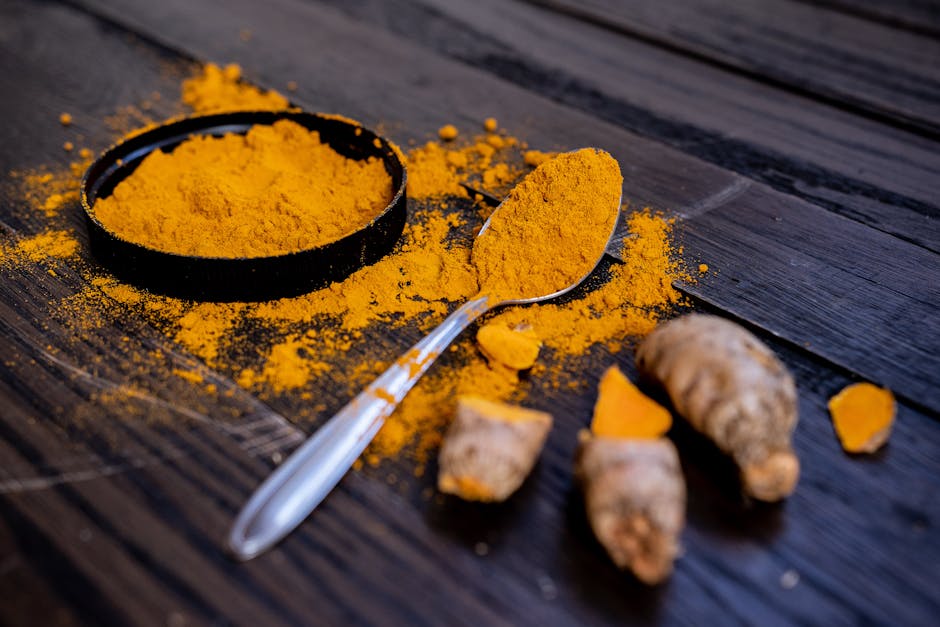
Turmeric – Uses & Benefits
Golden spice with powerful anti-inflammatory properties, used for pain relief, digestion, and overall wellness.
Used for:
Ginger – Uses & Benefits
Warming root used in teas, cooking, and remedies for digestion and colds.
Used for:
Important Notice
This information is for educational purposes only and should not replace professional medical advice. Always consult with a healthcare provider before trying new remedies.