Coconut Oil – Uses & Benefits
Versatile tropical oil with antimicrobial properties, used for cooking, skin care, hair health, and natural wellness applications.
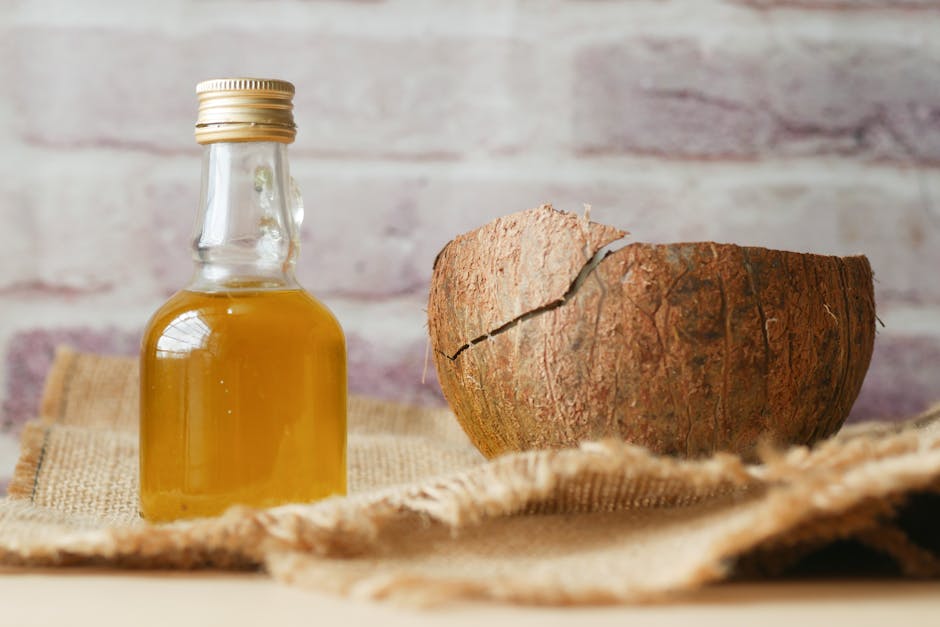
Quick Facts
Used for:
Available forms:
⚠️ Cautions:
- • High in saturated fat
- • May cause digestive upset in large amounts
- • Possible allergic reactions
Overview
Coconut oil, extracted from the meat of mature coconuts, has been a staple in tropical regions for thousands of years. This versatile oil has gained widespread popularity for its unique combination of culinary, cosmetic, and health applications, backed by both traditional use and modern scientific research.
Types of Coconut Oil
Virgin Coconut Oil
The highest quality, least processed form:
- Extraction: Cold-pressed or wet-milled from fresh coconut meat
- Processing: No chemicals or high heat used
- Characteristics: Retains coconut aroma and flavor
- Nutrients: Contains more antioxidants and beneficial compounds
- Color: Clear when liquid, white when solid
- Best for: Raw consumption, skin care, hair care
Refined Coconut Oil
Processed for neutral characteristics:
- Extraction: Often from dried coconut (copra)
- Processing: Bleached, deodorized, and sometimes chemically processed
- Characteristics: Neutral taste and smell
- Smoke point: Higher than virgin oil (400°F vs 350°F)
- Uses: High-temperature cooking, baking
- Quality varies: Choose expeller-pressed over chemically processed
Fractionated Coconut Oil
Liquid coconut oil with longer-chain fatty acids removed:
- Process: Separation of fatty acid components
- Characteristics: Remains liquid at room temperature
- Uses: Massage therapy, carrier oil for essential oils
- Benefits: Longer shelf life, doesn’t solidify
- Considerations: Lower in lauric acid than whole coconut oil
Coconut Butter
Whole coconut meat ground into a paste:
- Composition: Contains coconut oil plus fiber and protein
- Texture: Creamy, spreadable consistency
- Uses: Smoothies, baking, eating directly
- Nutrients: More complete nutrition than pure oil
- Storage: Room temperature, stir before use
Active Compounds and Nutrition
Medium-Chain Triglycerides (MCTs)
Unique fatty acids that provide coconut oil’s distinctive properties:
Lauric acid (45-50%):
- Antimicrobial properties
- Converts to monolaurin in the body
- Supports immune function
- Most abundant MCT in coconut oil
Caprylic acid (6-8%):
- Strong antifungal properties
- Quick energy source
- Supports digestive health
- Used in therapeutic applications
Capric acid (4-6%):
- Antimicrobial effects
- Supports immune function
- Quick metabolism for energy
- Synergistic with other MCTs
Myristic acid (15-20%):
- Supports protein synthesis
- Important for cellular function
- Contributes to coconut oil’s stability
Additional Beneficial Compounds
- Vitamin E: Antioxidant protection
- Polyphenols: Antioxidant compounds (mainly in virgin oil)
- Phytosterols: Plant compounds that may support heart health
- Iron: Small amounts of this essential mineral
Health Benefits and Uses
Antimicrobial Properties
Coconut oil’s MCTs provide natural antimicrobial effects:
Antibacterial action:
- Effective against Staphylococcus aureus
- Fights Streptococcus bacteria
- Supports oral health when oil pulled
- May help with minor skin infections
Antifungal properties:
- Effective against Candida albicans
- Helps with athlete’s foot and ringworm
- Supports skin health
- May help with digestive fungal overgrowth
Antiviral potential:
- Some research on envelope viruses
- Supports immune system function
- Traditional use for infections
- More research needed for clinical applications
Digestive Health Support
MCTs in coconut oil offer unique digestive benefits:
Easy absorption:
- MCTs don’t require bile for digestion
- Absorbed directly into portal circulation
- Quick energy source
- Good for those with fat malabsorption
Gut health support:
- May help balance gut bacteria
- Antimicrobial action against harmful organisms
- Supports intestinal barrier function
- Traditional use for digestive issues
Energy and Metabolism
MCTs provide readily available energy:
Quick energy source:
- Metabolized differently than long-chain fats
- Converted to ketones in the liver
- May support mental clarity
- Popular in ketogenic diets
Metabolic effects:
- May slightly increase metabolic rate
- Could support weight management
- Provides sustained energy
- Research ongoing on metabolic benefits
Skin Care Applications
Natural Moisturizer
Coconut oil provides deep moisturization for skin:
How it works:
- Occlusive properties: Creates barrier to prevent water loss
- Emollient effects: Softens and smooths skin
- Penetration: Absorbs well into skin layers
- Non-toxic: Safe for sensitive skin (when tolerated)
Best skin types:
- Dry skin: Excellent for very dry or cracked skin
- Mature skin: Anti-aging properties from antioxidants
- Sensitive skin: Generally well-tolerated, but test first
- Avoid if acne-prone: Can be comedogenic for some people
Healing Properties
Supports skin repair and protection:
Wound healing:
- Antimicrobial properties protect from infection
- May speed healing of minor cuts and scrapes
- Anti-inflammatory effects reduce irritation
- Traditional use for burns and wounds
Skin conditions:
- Eczema: May help reduce dryness and inflammation
- Dermatitis: Gentle, soothing properties
- Cracked heels: Deep moisturization for dry, cracked skin
- Diaper rash: Safe, gentle option for babies
Application Methods
Body moisturizer:
- Apply to damp skin for better absorption
- Warm small amount between hands before applying
- Focus on dry areas like elbows, knees, heels
- Use sparingly as a little goes a long way
Face application:
- Test on small area first
- Use very small amounts
- Apply to clean skin
- May work better as night treatment
Hair Care Benefits
Hair Health Support
Coconut oil penetrates hair shaft better than many other oils:
Hair benefits:
- Protein loss prevention: Unique ability to prevent protein loss from hair
- Moisture retention: Helps hair retain natural moisture
- Shine enhancement: Adds natural luster to hair
- Damage protection: Forms protective barrier on hair shaft
Scalp health:
- Dandruff reduction: Antimicrobial properties may help
- Scalp moisturization: Prevents dry, flaky scalp
- Circulation: Massage may improve blood flow to scalp
- Natural alternative: Chemical-free hair care option
Hair Treatment Methods
Pre-shampoo treatment:
- Apply coconut oil to dry hair
- Focus on mid-lengths and ends
- Leave for 30 minutes to overnight
- Shampoo 2-3 times to remove oil
- Use weekly for damaged hair
Leave-in treatment:
- Use very small amounts on damp hair
- Focus on ends to prevent split ends
- Avoid roots to prevent greasiness
- Best for very dry or curly hair
Scalp massage:
- Warm oil slightly for easier application
- Massage into scalp with fingertips
- Leave for 20-30 minutes
- Shampoo thoroughly to remove
Culinary Uses
Cooking Applications
Coconut oil’s stability makes it excellent for various cooking methods:
High-heat cooking:
- Smoke point: 350°F (virgin) to 400°F (refined)
- Stability: Resistant to oxidation at high temperatures
- Flavor: Virgin oil adds coconut flavor; refined is neutral
- Versatility: Good for sautéing, roasting, baking
Baking substitute:
- Butter replacement: Use 3/4 amount of coconut oil for butter
- Texture effects: Creates tender, moist baked goods
- Melting point: Solid at room temperature, melts at 76°F
- Vegan option: Plant-based alternative to butter
Nutritional Considerations
Saturated fat content:
- High saturation: About 90% saturated fat
- Moderation: Use as part of balanced diet
- Individual response: Effects vary by person
- Quality matters: Choose virgin, organic when possible
Portion guidelines:
- Daily amount: 1-2 tablespoons maximum
- Calorie density: 120 calories per tablespoon
- Balance: Include variety of healthy fats in diet
- Context: Part of overall healthy eating pattern
Oil Pulling Practice
Traditional Oral Health Practice
Ancient Ayurvedic practice using coconut oil for oral health:
How to oil pull:
- Take 1 tablespoon coconut oil first thing in morning
- Swish gently in mouth for 10-20 minutes
- Don’t swallow (contains pulled toxins and bacteria)
- Spit into trash (not sink, as oil can clog drains)
- Rinse mouth with warm water
- Brush teeth normally
Potential benefits:
- Plaque reduction: May help reduce plaque buildup
- Gum health: Traditional use for gum disease prevention
- Bad breath: Antimicrobial action may freshen breath
- Tooth whitening: Some report whiter teeth with regular use
Safety considerations:
- Start slowly: Begin with 5-10 minutes
- Don’t swallow: Oil contains pulled bacteria and toxins
- Not replacement: Supplement, don’t replace regular oral hygiene
- Individual results: Effects vary by person
DIY Beauty and Wellness Recipes
Basic Body Moisturizer
Simple coconut oil lotion:
- 1/2 cup coconut oil
- 1/4 cup shea butter
- 2 tablespoons jojoba oil
- 10 drops essential oil (optional)
Instructions:
- Melt coconut oil and shea butter gently
- Cool until starting to solidify
- Whip with mixer until fluffy
- Add jojoba oil and essential oils
- Store in jar, use within 6 months
Hair Mask Recipe
Deep conditioning treatment:
- 3 tablespoons coconut oil
- 1 tablespoon honey
- 1 egg yolk (for dry hair)
- 1 teaspoon apple cider vinegar
Application:
- Mix ingredients until smooth
- Apply to damp hair from mid-length to ends
- Cover with shower cap
- Leave for 30-60 minutes
- Shampoo thoroughly 2-3 times
Natural Deodorant
Simple coconut oil deodorant:
- 1/4 cup coconut oil
- 1/4 cup baking soda
- 2 tablespoons cornstarch or arrowroot
- 10 drops tea tree oil
Instructions:
- Melt coconut oil if solid
- Mix in dry ingredients
- Add essential oil
- Pour into deodorant container
- Allow to solidify before use
Quality and Selection
Choosing High-Quality Coconut Oil
Quality indicators:
- Organic certification: Ensures no pesticides
- Virgin or extra virgin: Minimal processing
- Cold-pressed: No heat damage to nutrients
- Glass containers: Avoids plastic chemical leaching
- Fair trade: Supports sustainable farming practices
What to avoid:
- Hydrogenated: Contains trans fats
- Bleached: Chemical processing
- Deodorized: May remove beneficial compounds
- Plastic containers: Especially for virgin oil
- Very cheap oils: May be poor quality or adulterated
Storage and Shelf Life
Proper storage:
- Cool, dark place: Away from heat and light
- Airtight container: Prevents oxidation
- Stable fat: Naturally resistant to rancidity
- Shelf life: 2-3 years when properly stored
Signs of quality oil:
- Virgin oil: Fresh, mild coconut aroma
- Color: Clear when liquid, white when solid
- Texture: Smooth, even consistency
- No off odors: Rancid oil smells sour or chemical
Safety and Considerations
General Safety
Coconut oil is generally safe for most people:
Common concerns:
- Saturated fat: High content requires moderation
- Allergies: Coconut allergies are rare but possible
- Digestive upset: Large amounts may cause stomach issues
- Skin reactions: Some people may experience breakouts
Who Should Use Caution
Special considerations:
- Heart disease: Consult doctor about saturated fat intake
- Acne-prone skin: May clog pores in some individuals
- Coconut allergy: Avoid if allergic to coconuts
- Digestive sensitivity: Start with small amounts
Drug Interactions
Minimal interactions but consider:
- Blood thinners: Large amounts may affect clotting
- Cholesterol medications: May affect lipid levels
- Weight loss drugs: High calorie content
- Always consult: Healthcare provider for specific concerns
Sustainability and Ethics
Environmental Impact
Sustainable coconut farming:
- Traditional methods: Often environmentally friendly
- Biodiversity: Coconut palms support diverse ecosystems
- Carbon sequestration: Palm trees absorb CO2
- Long-term crops: Palms produce for 60-80 years
Ethical considerations:
- Fair trade: Ensures fair wages for farmers
- Organic farming: Supports soil and water health
- Local communities: Choose brands supporting farming communities
- Avoid exploitation: Research company practices
Supporting Sustainable Practices
Consumer choices:
- Certified organic: Supports environmental health
- Fair trade certified: Ensures ethical labor practices
- Direct trade: Companies working directly with farmers
- Local sourcing: When possible, support local suppliers
Traditional and Cultural Uses
Historical Significance
Coconut oil has been central to tropical cultures for millennia:
Traditional applications:
- Pacific Islands: Primary cooking fat and medicine
- India (Ayurveda): Used for massage, hair care, oral health
- Southeast Asia: Culinary staple and natural remedy
- Caribbean: Traditional cooking and skin care
Cultural practices:
- Massage therapy: Warm oil massage for relaxation
- Religious ceremonies: Used in Hindu and Buddhist rituals
- Baby care: Traditional for infant skin and hair care
- Preservation: Natural food preservation in tropical climates
Modern Revival
Contemporary applications:
- Natural health movement: Embraced for its versatility
- Clean beauty: Alternative to synthetic cosmetic ingredients
- Paleo and keto diets: Valued for MCT content
- DIY culture: Popular in homemade remedies and cosmetics
Coconut oil represents a perfect example of traditional wisdom meeting modern science. Its unique composition of medium-chain fatty acids provides benefits that extend far beyond basic nutrition, making it a valuable addition to natural health and beauty routines when used appropriately and in moderation.
Related Articles
For comprehensive natural health and beauty applications, explore these related topics:
- Natural Skin Care - Complete natural skincare toolkit
- Eczema Treatment - Natural approaches to inflammatory skin conditions
- Hair Health Guide - Natural hair care strategies
- Healthy Cooking Oils - Guide to nutritious cooking fats
- DIY Beauty Recipes - Natural beauty product recipes
Disclaimer
The content on this page is provided for informational and educational purposes only. It is not intended to be a substitute for professional medical advice, diagnosis, or treatment. Natural remedies can interact with medications and may not be suitable for everyone. Always seek the advice of your physician or other qualified health provider with any questions you may have regarding a medical condition. Never disregard professional medical advice or delay in seeking it because of something you have read on this website.
Remedies Using Coconut Oil
Natural Remedies for Dry Skin
Moisturizing oils, healing herbs, and lifestyle approaches to restore and maintain healthy, hydrated skin.
Natural Remedies for Eczema
Gentle, effective natural treatments for eczema using moisturizing herbs, dietary changes, and skin-soothing remedies.
Natural Support for Psoriasis
Natural approaches to support psoriasis management using anti-inflammatory remedies, diet modifications, and gentle skin care.
Frequently Asked Questions
What's the difference between virgin and refined coconut oil?
Virgin coconut oil is unprocessed and retains more nutrients and flavor, while refined oil is processed and has a neutral taste and higher smoke point.
Is coconut oil healthy for cooking?
Coconut oil is stable at high temperatures and contains beneficial MCTs, but it's high in saturated fat, so use in moderation as part of a balanced diet.
Can coconut oil be used on all skin types?
While generally well-tolerated, coconut oil can be comedogenic (pore-clogging) for some people. Test on a small area first, especially if you have acne-prone skin.