Green Tea – Uses & Benefits
Antioxidant-rich beverage with catechins and L-theanine, used for heart health, brain function, weight management, and overall wellness.
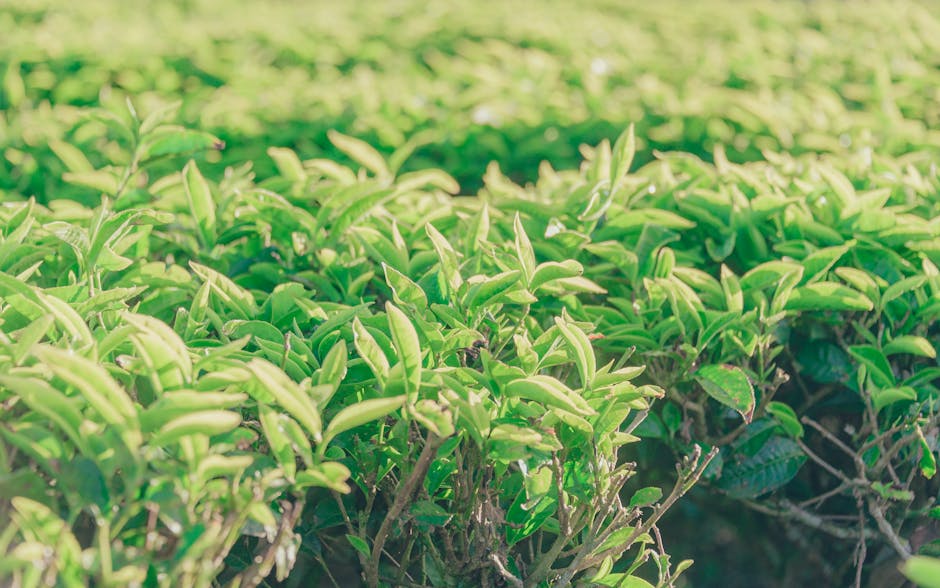
Quick Facts
Used for:
Available forms:
⚠️ Cautions:
- • High caffeine content may cause anxiety
- • Can interfere with iron absorption
- • May interact with blood thinning medications
Overview
Green tea, derived from the leaves of Camellia sinensis, is one of the most extensively researched beverages in the world. Unlike black tea, green tea leaves are minimally processed, preserving high levels of beneficial compounds including catechins, polyphenols, and L-theanine that provide wide-ranging health benefits.
Processing and Types
How Green Tea is Made
Minimal oxidation process:
- Fresh leaves: Picked and processed quickly to prevent oxidation
- Heat treatment: Steaming (Japanese) or pan-firing (Chinese) stops oxidation
- Rolling: Shapes leaves and breaks cell walls to release flavors
- Drying: Removes moisture while preserving beneficial compounds
- Quality preservation: Minimal processing maintains antioxidant levels
Types of Green Tea
Japanese varieties:
- Sencha: Most common, steamed and dried
- Matcha: Stone-ground powder of shade-grown leaves
- Gyokuro: Shade-grown, highest quality with rich umami flavor
- Genmaicha: Blended with roasted rice for nutty flavor
Chinese varieties:
- Longjing (Dragon Well): Pan-fired with delicate, sweet flavor
- Gunpowder: Rolled into pellets, strong flavor
- Jasmine green tea: Scented with jasmine flowers
- Biluochun: Early spring tea with fruity aroma
Quality grades:
- Ceremonial grade: Highest quality, often used for matcha
- Premium grade: High quality for daily drinking
- Commercial grade: Lower cost, suitable for extracts
- Organic options: Grown without pesticides or synthetic fertilizers
Active Compounds and Phytochemicals
Catechins - Primary Antioxidants
Powerful polyphenolic compounds responsible for many of green tea’s benefits.
Main catechins:
- EGCG (Epigallocatechin gallate): Most abundant and potent (50-80mg per cup)
- EGC (Epigallocatechin): Second most abundant (20-50mg per cup)
- ECG (Epicatechin gallate): Moderate levels (10-30mg per cup)
- EC (Epicatechin): Smallest amount (5-20mg per cup)
Antioxidant properties:
- Free radical scavenging: Neutralizes harmful oxidative compounds
- Metal chelation: Binds to harmful metals like iron and copper
- Enzyme modulation: Affects antioxidant enzyme activity
- Cellular protection: Protects DNA and cellular structures
Bioavailability factors:
- Water temperature: 160-180°F optimal for catechin extraction
- Steeping time: 3-5 minutes for maximum catechin release
- pH levels: Slightly acidic water improves extraction
- Food interactions: Milk proteins can bind catechins, reducing absorption
L-Theanine - Calming Amino Acid
Unique amino acid that promotes relaxation without sedation.
Content and effects:
- Concentration: 20-60mg per cup (varies by quality)
- Shade-grown enhancement: Higher levels in shaded teas like gyokuro
- Synergy with caffeine: Balances stimulating effects of caffeine
- Brain effects: Increases alpha brain waves associated with calm alertness
Mechanisms of action:
- GABA modulation: Enhances calming neurotransmitter activity
- Dopamine regulation: Supports healthy dopamine levels
- Stress reduction: Reduces cortisol response to stress
- Focus enhancement: Improves attention without jitters
Caffeine Content
Moderate caffeine levels:
- Green tea: 25-50mg per 8 oz cup
- Comparison: Less than coffee (95mg) but more than white tea (15-30mg)
- Matcha: 35-70mg per serving (higher due to whole leaf consumption)
- Decaffeinated: 2-5mg per cup (most antioxidants preserved)
Caffeine benefits:
- Mental alertness: Improved focus and concentration
- Physical performance: Enhanced exercise capacity
- Metabolism: Slight metabolic rate increase
- L-theanine synergy: Smooth, sustained energy without crash
Heart Health Benefits
Cardiovascular Protection
Extensive research supports green tea’s heart-protective effects.
Cholesterol management:
- LDL reduction: Studies show 5-15% reduction in “bad” cholesterol
- HDL support: May help maintain “good” cholesterol levels
- Oxidation prevention: Prevents LDL cholesterol oxidation
- Dosage: 3-4 cups daily for cholesterol benefits
Blood pressure support:
- Mild reduction: 2-3 mmHg average reduction in studies
- Endothelial function: Improves blood vessel function
- Nitric oxide: Supports healthy blood vessel dilation
- Consistent benefits: Regular consumption more effective than sporadic
Research evidence:
- Population studies: Lower heart disease rates in green tea drinkers
- Clinical trials: Consistent cardiovascular benefits
- Stroke reduction: 20-30% lower stroke risk in regular consumers
- Longevity: Associated with increased lifespan in some populations
Mechanisms of Heart Protection
Anti-inflammatory effects:
- C-reactive protein: Reduces inflammatory markers
- Cytokine modulation: Balances inflammatory responses
- Arterial health: Reduces inflammation in blood vessels
- Plaque stability: May help stabilize arterial plaques
Antioxidant protection:
- Oxidative stress: Reduces oxidative damage to heart tissue
- Free radical neutralization: Protects against cellular damage
- Enzyme systems: Supports natural antioxidant enzyme activity
- Lipid protection: Prevents oxidation of blood fats
Brain Health and Cognitive Function
Neuroprotective Properties
Green tea compounds support brain health and may protect against cognitive decline.
Cognitive enhancement:
- Attention and focus: L-theanine and caffeine improve concentration
- Memory support: Studies show improved working memory
- Processing speed: Faster mental processing in regular consumers
- Mental clarity: Reduced brain fog and improved alertness
Neuroprotection mechanisms:
- BDNF increase: Supports brain-derived neurotrophic factor
- Neuroplasticity: Promotes new neural connections
- Amyloid protection: May help prevent protein aggregation
- Tau protein: Potential protection against tau tangles
Stress and Mood Support
Anxiety reduction:
- L-theanine effects: Promotes calm alertness without sedation
- Cortisol modulation: Helps regulate stress hormone response
- Alpha waves: Increases relaxing brain wave patterns
- Dosage: 100-200mg L-theanine for anxiety benefits
Mood enhancement:
- Dopamine support: May help maintain healthy dopamine levels
- Serotonin interaction: Influences mood-regulating neurotransmitters
- Stress resilience: Improves ability to cope with daily stress
- Depression research: Some studies suggest mood benefits
Age-Related Cognitive Health
Dementia and Alzheimer’s research:
- Risk reduction: Population studies show lower dementia risk
- Neuroprotection: Laboratory studies show brain cell protection
- Early intervention: Benefits may be greatest with long-term use
- Multifactorial: Part of overall brain-healthy lifestyle
Weight Management Support
Metabolic Enhancement
Green tea compounds may support healthy weight management through multiple mechanisms.
Thermogenesis:
- Metabolic rate: 4-5% increase in energy expenditure
- Fat oxidation: Enhanced fat burning, especially during exercise
- EGCG effects: Catechins support fat metabolism
- Caffeine synergy: Combined effects more effective than either alone
Appetite regulation:
- Satiety: May increase feelings of fullness
- Leptin sensitivity: Could improve hunger hormone function
- Blood sugar: Helps stabilize glucose levels
- Craving reduction: May reduce desire for high-calorie foods
Research findings:
- Modest effects: 2-3 pounds additional weight loss over 12 weeks
- Belly fat: Some studies show preferential abdominal fat loss
- Exercise enhancement: Better results when combined with exercise
- Realistic expectations: Supportive, not dramatic weight loss effects
Green Tea Extract for Weight Loss
Concentrated supplements:
- Higher potency: More EGCG than tea alone
- Standardization: Consistent catechin content
- Convenience: Easier than drinking multiple cups daily
- Dosage: 300-400mg EGCG daily for weight management
Supplement considerations:
- Quality matters: Choose standardized, third-party tested products
- Timing: Between meals for best absorption
- Liver concerns: Very high doses may stress liver in sensitive individuals
- Whole tea benefits: Traditional tea consumption may be safer long-term
Cancer Prevention Research
Antioxidant and Anti-Cancer Properties
Extensive research investigates green tea’s potential role in cancer prevention.
Mechanisms of protection:
- DNA protection: Antioxidants prevent DNA damage
- Cell cycle regulation: May help control cell division
- Apoptosis: Supports programmed cell death of abnormal cells
- Angiogenesis: May inhibit blood vessel formation in tumors
Research areas:
- Breast cancer: Some studies suggest protective effects
- Prostate cancer: Population studies show lower risk
- Colorectal cancer: Potential protective benefits
- Lung cancer: Research ongoing, mixed results
Important limitations:
- Population studies: Observational, not definitive proof
- Cultural factors: Asian populations may have genetic or lifestyle differences
- Dosage questions: Optimal amounts for protection unclear
- Early research: Many studies are preliminary
Prevention vs. Treatment
Prevention focus:
- Lifestyle factor: Part of overall healthy diet and lifestyle
- Long-term consumption: Benefits appear with regular, long-term use
- Risk reduction: May lower risk, not eliminate it
- Complementary approach: Works best with other healthy habits
Not a treatment:
- Medical care essential: Never replace cancer treatment with green tea
- Professional guidance: Discuss with oncologist during treatment
- Interaction potential: May interact with some cancer medications
- Evidence limitations: Insufficient evidence for treatment claims
Digestive Health Benefits
Gut Health Support
Green tea provides several benefits for digestive wellness.
Prebiotic effects:
- Beneficial bacteria: Supports growth of healthy gut bacteria
- Microbiome diversity: May increase bacterial diversity
- Short-chain fatty acids: Promotes beneficial metabolite production
- Gut barrier: Supports intestinal barrier function
Anti-inflammatory effects:
- Intestinal inflammation: Reduces inflammatory markers in gut
- IBS symptoms: Some studies suggest symptom improvement
- Ulcerative colitis: Research on anti-inflammatory effects
- Gut healing: May support repair of intestinal lining
Liver Health Support
Hepatoprotective properties:
- Fatty liver: Some studies suggest improvement in fatty liver disease
- Oxidative stress: Reduces liver oxidative damage
- Enzyme levels: May help normalize liver enzyme levels
- Detoxification: Supports liver’s natural detox processes
Dosage considerations:
- Moderate consumption: 3-4 cups daily generally safe
- High-dose concerns: Very high extract doses may stress liver
- Individual variation: Some people more sensitive than others
- Professional monitoring: Regular liver tests if using high-dose extracts
Skin Health Applications
Topical and Internal Benefits
Green tea supports skin health through multiple pathways.
Anti-aging properties:
- Collagen protection: Antioxidants protect collagen from damage
- UV protection: Provides mild sun protection when consumed
- Elasticity: May help maintain skin elasticity
- Wrinkle reduction: Some studies show improvement in fine lines
Acne and inflammation:
- Anti-inflammatory: Reduces skin inflammation
- Antibacterial: May fight acne-causing bacteria
- Sebum regulation: Could help control oil production
- Topical application: Green tea extract in skincare products
External applications:
- Face masks: Cooled green tea as facial toner
- Compresses: For puffy eyes and inflammation
- Bath additive: Anti-inflammatory skin soak
- DIY skincare: Green tea in homemade face masks
Preparation and Consumption
Optimal Brewing Methods
Water temperature:
- Ideal range: 160-180°F (70-80°C)
- Too hot: Destroys delicate compounds and creates bitterness
- Too cool: Insufficient extraction of beneficial compounds
- Testing: Water should be steaming but not vigorously boiling
Steeping time:
- First steep: 2-3 minutes for delicate flavor
- Subsequent steeps: 30 seconds to 1 minute
- Maximum extraction: 3-5 minutes for highest antioxidant content
- Quality teas: Can be steeped multiple times
Tea to water ratio:
- Standard ratio: 1 teaspoon loose tea per 8 oz water
- Stronger brew: 1.5 teaspoons for higher catechin content
- Personal preference: Adjust to taste while maintaining benefits
- Fresh water: Use filtered water for best flavor
Maximizing Health Benefits
Enhancement strategies:
- Lemon addition: Vitamin C enhances catechin absorption
- Empty stomach: Better absorption without food interference
- Multiple steeps: Extract maximum compounds from quality leaves
- Fresh preparation: Don’t let brewed tea sit for hours
Timing considerations:
- Between meals: Avoid iron absorption interference
- Morning to afternoon: Earlier consumption due to caffeine
- Exercise timing: 30-60 minutes before exercise for performance benefits
- Bedtime avoidance: No green tea within 6 hours of sleep
Safety and Considerations
Caffeine Sensitivity
Managing caffeine effects:
- Gradual introduction: Start with 1 cup daily, increase slowly
- Timing matters: Earlier in day to avoid sleep disruption
- Individual tolerance: Some people more sensitive than others
- Decaffeinated options: Retain most antioxidants with less caffeine
Signs of excess:
- Jitters or anxiety: Reduce amount or frequency
- Sleep problems: Move consumption earlier in day
- Rapid heartbeat: May indicate excessive caffeine intake
- Digestive upset: Can occur with high caffeine consumption
Nutrient Interactions
Iron absorption:
- Tannin interference: Compounds in tea can reduce iron absorption
- Timing strategy: Drink tea between meals, not with iron-rich foods
- Vitamin C enhancement: Add lemon to improve iron absorption
- Iron deficiency: Those with anemia should monitor carefully
Medication interactions:
- Blood thinners: Green tea may enhance anticoagulant effects
- Stimulant medications: Additive effects with caffeine-like drugs
- Antibiotics: May affect absorption of certain antibiotics
- Chemotherapy: Consult oncologist about green tea during treatment
Quality and Contamination Concerns
Pesticide residues:
- Organic certification: Ensures no synthetic pesticides
- Source matters: Quality varies significantly by origin
- Testing: Look for brands that test for contaminants
- Price correlation: Very cheap teas more likely to have residues
Heavy metals:
- Lead contamination: Some teas, especially older leaves, may contain lead
- Quality brands: Reputable companies test for heavy metals
- Brewing method: Shorter steeps reduce potential contamination
- Variety choice: Younger leaves generally have less contamination
Matcha - Concentrated Green Tea
What Makes Matcha Special
Powdered whole tea leaves providing concentrated nutrition.
Growing process:
- Shade growing: 3-4 weeks before harvest for increased chlorophyll
- Hand picking: Only finest leaves selected
- Stone grinding: Traditional granite mills create fine powder
- Ceremonial grade: Highest quality for drinking
Nutritional concentration:
- Higher antioxidants: 10-15 times more than regular green tea
- Complete consumption: Eating whole leaves provides full nutrition
- L-theanine: Higher levels due to shade growing
- Chlorophyll: Intense green color from increased chlorophyll
Matcha Preparation and Use
Traditional preparation:
- Sifting: Remove lumps for smooth texture
- Water temperature: 160-175°F for best flavor
- Whisking: Bamboo whisk creates frothy consistency
- Ratio: 1-2 teaspoons powder per 6-8 oz water
Modern applications:
- Lattes: Combined with steamed milk
- Smoothies: Added to fruit and vegetable blends
- Baking: Incorporated into desserts and baked goods
- Ice cream: Popular flavor for frozen desserts
Green Tea Around the World
Cultural Significance
Japanese tea ceremony:
- Mindfulness practice: Meditation through tea preparation
- Hospitality: Showing respect and care for guests
- Seasonal awareness: Different teas for different seasons
- Aesthetic appreciation: Beauty in simplicity and nature
Chinese tea culture:
- Daily beverage: Integral part of daily life and meals
- Social bonding: Shared tea experiences strengthen relationships
- Health tradition: Traditional Chinese medicine recognizes tea benefits
- Variety appreciation: Different regions produce distinct flavor profiles
Modern Global Consumption
Western adoption:
- Health beverage: Marketed primarily for health benefits
- Supplement industry: Extracts and concentrated forms
- Fusion drinks: Combined with other flavors and ingredients
- Scientific research: Extensive Western scientific investigation
Sustainable Production
Environmental Considerations
Organic farming:
- Soil health: Organic methods maintain soil fertility
- Biodiversity: Supports insects, birds, and ecosystem health
- Water protection: Reduces chemical runoff into water systems
- Climate impact: Often lower carbon footprint
Fair trade practices:
- Farmer welfare: Ensures fair wages and working conditions
- Community development: Supports tea-growing communities
- Quality incentives: Encourages sustainable farming practices
- Direct relationships: Connects consumers with growers
Choosing Sustainable Tea
Certification labels:
- USDA Organic: No synthetic pesticides or fertilizers
- Fair Trade Certified: Ensures fair labor practices
- Rainforest Alliance: Environmental and social standards
- JAS Organic: Japanese organic certification
Supporting quality:
- Small farmers: Choose brands that support small tea gardens
- Transparency: Companies that share sourcing information
- Traditional methods: Support traditional tea-making practices
- Local importers: Reduce transportation environmental impact
Green tea represents one of humanity’s oldest and most researched beverages, offering a unique combination of gentle stimulation, powerful antioxidants, and wide-ranging health benefits. Whether enjoyed as a daily ritual or used therapeutically, quality green tea provides a natural way to support overall health and well-being.
Related Articles
For comprehensive wellness and natural health support, explore these related topics:
- Antioxidant Foods Collection - Foods that fight free radicals
- Heart Health Guide - Natural approaches to heart wellness
- Brain Health Support - Nutrients for mental clarity
- Weight Management Strategies - Natural approaches to weight control
- Stress Management Guide - Natural stress reduction techniques
Disclaimer
The content on this page is provided for informational and educational purposes only. It is not intended to be a substitute for professional medical advice, diagnosis, or treatment. Green tea contains caffeine and can interact with certain medications, particularly blood thinners and stimulant medications. Very high doses of green tea extract may affect liver function in sensitive individuals. Always seek the advice of your physician or other qualified health provider with any questions you may have regarding a medical condition. Never disregard professional medical advice or delay in seeking it because of something you have read on this website.
Remedies Using Green Tea
Natural Remedies for Acne
Gentle, effective natural treatments for acne using antibacterial herbs, dietary changes, and skin-balancing remedies.
Natural Remedies for Fatigue
Energy-boosting natural approaches to combat fatigue using herbs, nutrition, and lifestyle modifications.
Natural Relief for Seasonal Allergies
Natural approaches to managing seasonal allergies including antihistamine herbs, quercetin-rich foods, and immune-balancing strategies.
Natural Weight Management Support
Support healthy weight management with metabolism-boosting herbs, appetite regulation, and sustainable lifestyle practices.
Frequently Asked Questions
How much green tea should I drink daily for health benefits?
3-4 cups daily provides optimal levels of beneficial compounds while keeping caffeine intake moderate. Each cup contains about 25-50mg caffeine.
What's the difference between green tea and matcha?
Matcha is powdered whole green tea leaves, providing higher concentrations of nutrients and antioxidants than regular steeped green tea.
When is the best time to drink green tea?
Between meals to avoid iron absorption interference, and earlier in the day due to caffeine content. Avoid within 2 hours of bedtime.