Lavender – Uses & Benefits
Aromatic herb renowned for its calming properties, used for anxiety relief, sleep support, and skin care applications.
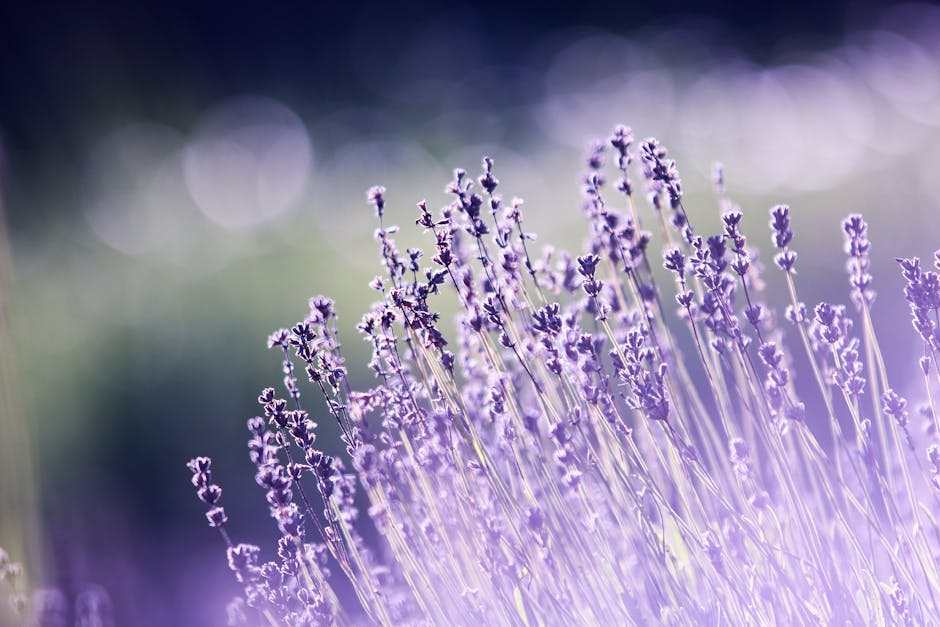
Quick Facts
Used for:
Available forms:
⚠️ Cautions:
- • May cause drowsiness
- • Possible skin irritation in sensitive individuals
- • Avoid during pregnancy in large amounts
Overview
Lavender (Lavandula angustifolia) is one of the most beloved and versatile herbs in natural medicine. Known for its distinctive floral fragrance and beautiful purple flowers, lavender has been used for over 2,500 years for its calming, healing, and aromatic properties.
Active Compounds
Essential Oil Components
The therapeutic effects of lavender come primarily from its essential oil:
- Linalool: Primary calming compound (25-45%)
- Linalyl acetate: Sedative and anti-inflammatory (25-45%)
- Camphor: Antimicrobial and circulation-stimulating
- 1,8-Cineole: Respiratory and antimicrobial benefits
Other Beneficial Compounds
- Rosmarinic acid: Antioxidant and anti-inflammatory
- Flavonoids: Additional antioxidant protection
- Tannins: Astringent and healing properties
- Coumarins: Calming and sedative effects
Traditional Uses
Ancient Applications
Historical use across cultures:
- Romans: Bathing and perfuming
- Egyptians: Mummification and cosmetics
- Greeks: Wound healing and antiseptic
- Medieval Europe: Protection against plague
Folk Medicine
Traditional applications include:
- Nervous conditions: Anxiety, hysteria, nervous tension
- Sleep disorders: Insomnia, restless sleep
- Digestive issues: Nervous stomach, gas, nausea
- Skin problems: Burns, cuts, insect bites
- Respiratory: Coughs, bronchitis, asthma
Modern Research Applications
Anxiety and Stress Relief
Well-documented calming effects:
- Clinical studies: Reduces anxiety scores
- Mechanism: Modulates GABA neurotransmitter
- Aromatherapy: Effective for acute stress
- Oral use: Lavender oil capsules for anxiety
Sleep Support
Extensive research on sleep benefits:
- Sleep quality: Improves deep sleep phases
- Sleep latency: Reduces time to fall asleep
- Sleep duration: Increases total sleep time
- Natural alternative: To pharmaceutical sleep aids
Pain Management
Anti-inflammatory and analgesic properties:
- Headache relief: Topical application to temples
- Muscle tension: Massage oil for sore muscles
- Menstrual pain: Abdominal massage with lavender oil
- General pain: Combines well with other pain-relieving herbs
Skin Health
Antimicrobial and healing properties:
- Wound healing: Accelerates tissue repair
- Antimicrobial: Effective against bacteria and fungi
- Anti-inflammatory: Reduces skin irritation
- Acne treatment: Natural antiseptic for breakouts
How to Use Lavender
Aromatherapy Applications
Essential oil diffusion:
- Add 3-5 drops to diffuser
- Use in bedroom 30 minutes before sleep
- Combine with other calming oils
- Effective for stress relief and mood enhancement
Direct inhalation:
- Add 1-2 drops to tissue or cotton ball
- Inhale deeply during stressful moments
- Keep lavender inhaler for travel
- Use during meditation or relaxation
Pillow spray:
- 10 drops lavender oil in 2 oz water
- Add 1 teaspoon witch hazel as emulsifier
- Spray on pillow before sleep
- Refresh weekly for best effect
Lavender Tea
Basic lavender tea:
- 1 teaspoon dried lavender flowers
- 1 cup boiling water
- Steep 5-10 minutes
- Strain and enjoy warm
Calming blend:
- 1/2 teaspoon lavender
- 1/2 teaspoon chamomile
- 1/4 teaspoon lemon balm
- Honey to taste
Evening relaxation tea:
- Lavender, passionflower, and valerian
- Drink 30-60 minutes before bedtime
- Supports natural sleep cycle
Topical Applications
Lavender oil massage:
- Dilute 2-3 drops in 1 tablespoon carrier oil
- Massage into temples for headache relief
- Apply to wrists for aromatherapy benefits
- Use on sore muscles for pain relief
Healing salve:
- Infuse carrier oil with dried lavender
- Combine with beeswax for salve consistency
- Apply to minor cuts, burns, or irritated skin
- Store in cool place for up to 6 months
Lavender bath:
- Add 5-10 drops essential oil to bath
- Or use 1/4 cup dried flowers in muslin bag
- Soak for 15-20 minutes
- Rinse with cool water
Culinary Uses
Edible flowers:
- Garnish for desserts and salads
- Infuse honey with lavender flowers
- Add to shortbread and cookies
- Flavor ice cream and beverages
Lavender sugar:
- Mix dried flowers with sugar
- Let sit 1-2 weeks for flavor infusion
- Use in baking and tea sweetening
- Store in airtight container
Herbes de Provence:
- Traditional French herb blend
- Combines lavender with thyme, rosemary
- Season meats, vegetables, and breads
- Use sparingly as lavender is potent
Types of Lavender
English Lavender (Lavandula angustifolia)
Most commonly used for therapeutic purposes:
- Characteristics: Sweet, floral scent
- Uses: Essential oil, tea, topical applications
- Growing: Hardy in most climates
- Quality: Highest linalool content
French Lavender (Lavandula stoechas)
Stronger fragrance but less therapeutic:
- Characteristics: Camphor-like scent
- Uses: Primarily ornamental and potpourri
- Growing: Mediterranean climates
- Caution: Higher camphor content
Spike Lavender (Lavandula latifolia)
Higher camphor content:
- Characteristics: More herbaceous scent
- Uses: Aromatherapy, cleaning products
- Properties: More stimulating than calming
- Applications: Respiratory conditions
Lavandin (Lavandula x intermedia)
Hybrid variety:
- Characteristics: Large flowers, high oil yield
- Uses: Commercial oil production
- Properties: More camphor than English lavender
- Cost: More affordable than pure lavender
Growing and Harvesting
Growing Conditions
Lavender thrives in specific conditions:
- Soil: Well-draining, alkaline soil
- Sun: Full sun exposure
- Water: Drought-tolerant once established
- Climate: Mediterranean-type preferred
Home Cultivation
Tips for growing lavender:
- Container growing: Use terracotta pots with drainage
- Pruning: Cut back after flowering
- Overwintering: Protect from harsh frost
- Propagation: Root cuttings in spring
Harvesting
Optimal timing and methods:
- When: Just before full bloom for highest oil content
- Time of day: Mid-morning after dew evaporates
- Method: Cut stems 6 inches long
- Drying: Hang in bundles in dark, airy space
Processing
Preserving lavender for use:
- Drying: Air dry 2-4 weeks
- Storage: Airtight containers away from light
- Essential oil: Steam distillation (complex process)
- Quality: Proper drying maintains color and scent
Lavender Products and Forms
Essential Oil
Most concentrated form:
- Quality indicators: Clear to pale yellow color
- Purity: 100% pure, no additives
- Testing: GC/MS analysis for authenticity
- Storage: Dark glass bottles, cool place
Dried Flowers
Versatile and long-lasting:
- Uses: Tea, cooking, crafts, sachets
- Quality: Retain color and fragrance
- Storage: Airtight containers
- Shelf life: 1-2 years when properly stored
Hydrosol (Floral Water)
Gentle water-based preparation:
- Production: Byproduct of essential oil distillation
- Uses: Facial toner, room spray, gentle aromatherapy
- Benefits: Milder than essential oil
- Storage: Refrigerate after opening
Lavender Oil Infusions
Oil-based preparations:
- Carrier oils: Olive, jojoba, sweet almond
- Preparation: Solar or gentle heat infusion
- Uses: Massage, skin care, hair care
- Shelf life: 6-12 months when stored properly
Dosage and Safety
Aromatherapy Dosing
Safe amounts for inhalation:
- Diffuser: 3-5 drops per 100ml water
- Topical dilution: 1-2% essential oil in carrier oil
- Bath: 5-10 drops in full tub
- Inhalation: 1-2 drops on tissue
Tea Preparation
Internal use guidelines:
- Dried flowers: 1 teaspoon per cup of water
- Frequency: 1-3 cups daily as needed
- Steeping time: 5-10 minutes for optimal extraction
- Children: Half adult dose for children over 6
Topical Applications
Skin application safety:
- Patch test: Always test on small area first
- Dilution: Never use undiluted essential oil
- Sensitive areas: Avoid eyes, mucous membranes
- Pregnancy: Use minimal amounts topically
Safety Considerations
Generally Safe For
- Most adults in normal therapeutic amounts
- Children over 6 (in reduced doses)
- Topical use when properly diluted
- Short to medium-term use
Use Caution If
- Pregnancy: Large amounts may affect hormones
- Surgery: May enhance sedative effects of anesthesia
- Low blood pressure: May further lower blood pressure
- Allergies: Discontinue if skin irritation occurs
Possible Side Effects
- Drowsiness: Especially with oral use
- Skin irritation: In sensitive individuals
- Headache: From too much essential oil
- Nausea: From excessive internal use
Drug Interactions
Potential interactions with:
- Sedatives: May enhance drowsiness
- Blood pressure medications: May lower blood pressure
- CNS depressants: Additive sedative effects
Quality and Purchasing
Selecting Essential Oil
Quality indicators:
- Botanical name: Lavandula angustifolia specified
- Origin: Grown in ideal climate conditions
- Extraction: Steam distilled
- Testing: GC/MS analysis available
Choosing Dried Flowers
Quality markers:
- Color: Retained purple color
- Fragrance: Strong, sweet scent
- Appearance: Intact flower buds
- Source: Organically grown preferred
Reputable Suppliers
What to look for:
- Transparency: Clear sourcing information
- Testing: Third-party purity testing
- Storage: Proper packaging and storage
- Knowledge: Knowledgeable customer service
Traditional Wisdom
Historical Significance
Lavender’s enduring popularity:
- Ancient use: Documented for thousands of years
- Cultural importance: Symbol of purity and devotion
- Medicinal traditions: Consistent use across cultures
- Modern validation: Science confirms traditional uses
Folklore and Symbolism
Cultural meanings:
- Love and devotion: Traditional wedding herb
- Protection: Planted around homes for safety
- Purification: Used in cleansing rituals
- Peace: Symbol of tranquility and calm
Lavender stands as one of nature’s most reliable allies for stress relief, sleep support, and gentle healing. Whether used as a simple tea, aromatherapy oil, or topical preparation, this versatile herb continues to provide the same benefits that have made it treasured across cultures and centuries.
Related Articles
For more information on natural stress relief and aromatherapy, explore:
- Anxiety Natural Treatment - Comprehensive anxiety management
- Insomnia Relief - Natural sleep support strategies
- Chamomile Benefits - Another calming herb
- Essential Oil Safety - Safe use of essential oils
- Stress Management - Natural stress relief techniques
Remedies Using Lavender
Natural Remedies for Anxiety
Calming herbs, breathing techniques, and lifestyle approaches to help manage anxious feelings naturally.
Natural Remedies for Headaches
Drug-free approaches to headache relief using herbs, essential oils, and lifestyle modifications.
Natural Remedies for Insomnia
Gentle, natural approaches to improve sleep quality using herbs, routine, and relaxation techniques.
Natural Remedies for Stress Relief
Calming herbs, breathing techniques, and lifestyle changes to help manage stress naturally.
Frequently Asked Questions
Is lavender safe for daily use?
Yes, lavender is generally safe for daily use in normal amounts. Use as tea, aromatherapy, or topical applications as directed.
Can lavender help with sleep problems?
Yes, lavender is well-researched for sleep support. Use lavender oil aromatherapy or tea before bedtime for best results.
What's the difference between lavender varieties?
English lavender is milder and best for culinary use, while French lavender has stronger fragrance and is preferred for aromatherapy.