Moringa - The Miracle Tree
Nutrient-dense superfood tree providing complete protein, vitamins, minerals, and antioxidants for comprehensive nutritional support.
Quick Facts
Used for:
Available forms:
⚠️ Cautions:
- • Generally safe; avoid roots and bark during pregnancy
- • May enhance blood sugar lowering medications
- • Consult healthcare provider before use
Overview
Moringa (Moringa oleifera), often called the “miracle tree” or “tree of life,” is a fast-growing tropical tree native to the foothills of the Himalayas in northern India. Nearly every part of the tree is edible and nutritious, and it has been used for thousands of years in Ayurvedic and African traditional medicine. Gram for gram, moringa leaves contain more vitamin C than oranges, more calcium than milk, more potassium than bananas, and more iron than spinach, making it one of the most nutrient-dense plants on earth.
Active Compounds
Isothiocyanates
Powerful bioactive compounds concentrated in moringa leaves:
- Anti-inflammatory: Reduce chronic inflammatory markers throughout the body
- Blood sugar regulation: Support healthy glucose metabolism after meals
- Antioxidant boost: Enhance the body’s natural antioxidant enzyme systems
- Cellular protection: Shield cells from oxidative damage and premature aging
Quercetin and Chlorogenic Acid
- Support healthy blood pressure levels
- Provide additional antioxidant and anti-inflammatory effects
- Help moderate blood sugar spikes after eating
Traditional Uses
Nutritional Support and Energy
Moringa has long been used to combat malnutrition and fatigue:
- Providing a complete amino acid profile with all essential amino acids
- Delivering concentrated vitamins A, C, and E in whole-food form
- Boosting natural energy levels without stimulant effects
- Supporting overall vitality during periods of physical demand
Blood Sugar and Inflammation
Valued in traditional systems for metabolic balance:
- Helping maintain stable blood sugar levels throughout the day
- Reducing chronic low-grade inflammation
- Supporting joint comfort and mobility
- Promoting healthy cardiovascular function
How to Use
Capsules
Take 500-1,000mg of moringa leaf powder or extract one to two times daily. Capsules are convenient for those who prefer not to taste moringa’s mildly earthy, green flavor.
Extract
Liquid moringa extracts provide concentrated nutrients with fast absorption. Take 1-2 dropperfuls daily in water or juice. Look for products made from organic moringa leaves.
Powder
Add 1-2 teaspoons of moringa powder to smoothies, juices, soups, or salad dressings. The mild, slightly grassy taste blends well with fruit-based smoothies. Start with a smaller amount and increase gradually.
Tea
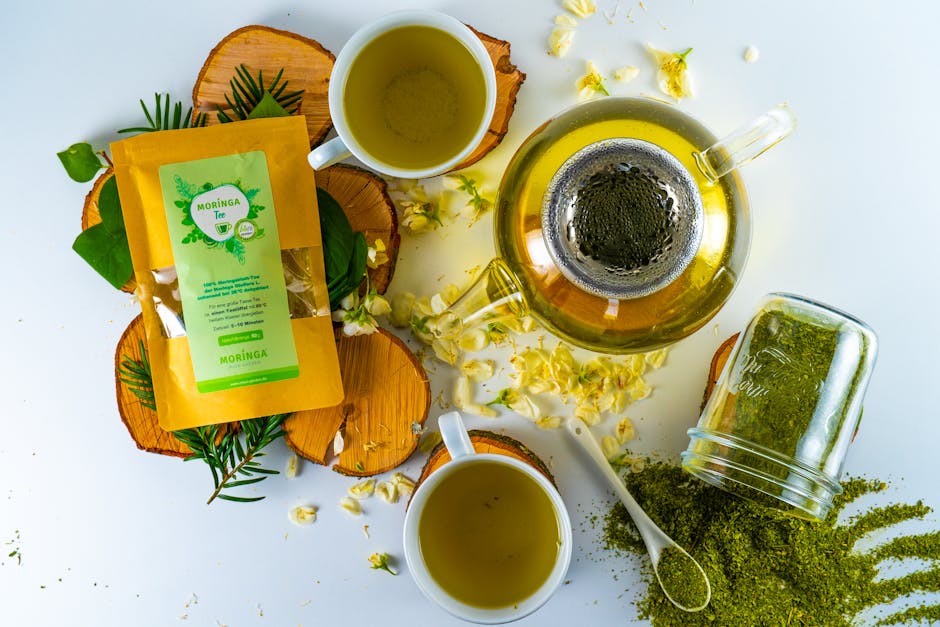
Steep 1-2 teaspoons of dried moringa leaves in hot water for 5-8 minutes. The tea has a light, earthy flavor that pairs well with honey and lemon. Drink 1-2 cups daily for general nutritional support.
Safety Considerations
Moringa leaves and powder are generally safe for most adults when consumed in food and typical supplemental amounts. However, the roots and bark should be avoided during pregnancy, as they may contain compounds that stimulate uterine contractions. Moringa may enhance the effects of blood sugar lowering medications, so diabetic individuals should monitor glucose levels closely. Consult a healthcare provider before starting moringa supplementation, especially if taking prescription medications.
Frequently Asked Questions
How should I take this ingredient?
Follow package directions or consult with a healthcare practitioner for personalized dosing.
Are there any side effects?
Generally safe; avoid roots and bark during pregnancy
Can I take this with medications?
May enhance blood sugar lowering medications Always consult your healthcare provider.