Natural Autoimmune Support and Modulation
Support autoimmune health with immune-modulating herbs, anti-inflammatory nutrition, and lifestyle practices for balanced immunity.
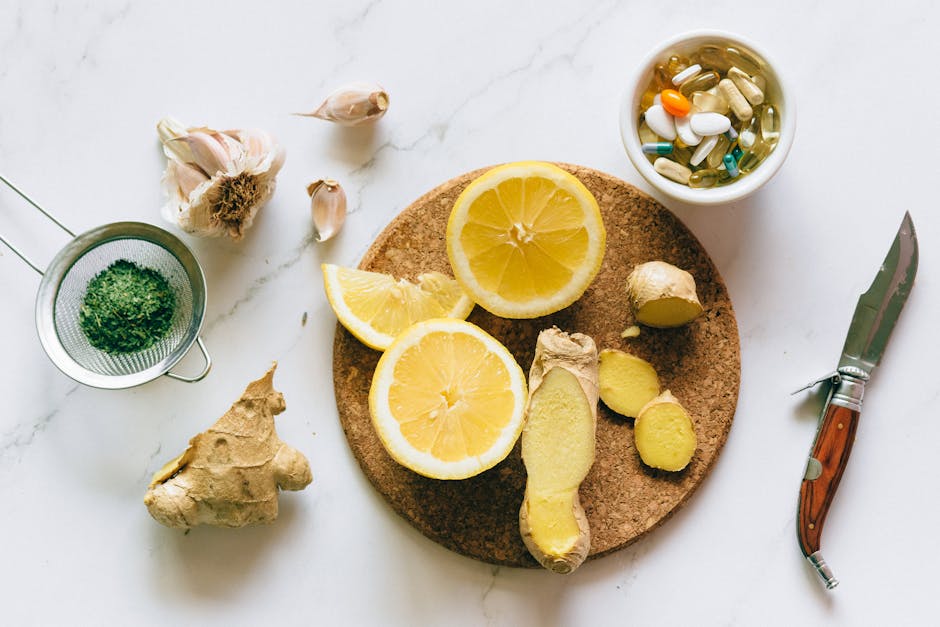
Important Notice: This information is for educational purposes only and is not intended as medical advice. Always consult with a qualified healthcare provider before trying new remedies, especially if you have underlying health conditions or take medications.
Quick Remedies
- Curcumin with black pepper: Take 500mg curcumin with a pinch of black pepper for enhanced absorption and anti-inflammatory support
- Omega-3 rich foods: Include wild-caught salmon, sardines, or flaxseeds daily to reduce systemic inflammation
- Vitamin D supplementation: Take 2000-4000 IU daily with a meal containing fat (test levels first)
- Probiotic-rich foods: Eat fermented foods like sauerkraut, kimchi, or kefir to support gut-immune balance
- Glutathione support: Consume sulfur-rich vegetables like broccoli, garlic, and onions to boost the body’s master antioxidant
Understanding Autoimmune Conditions
Autoimmune conditions occur when the immune system mistakenly attacks the body’s own healthy tissues. There are over 80 recognized autoimmune diseases, including rheumatoid arthritis, lupus, Hashimoto’s thyroiditis, and multiple sclerosis. While each condition affects different organs and tissues, they share common underlying mechanisms involving chronic inflammation, immune dysregulation, and often intestinal permeability. Natural approaches focus on calming inflammation, supporting immune balance, and addressing root contributors.
Common Causes
- Genetic predisposition combined with environmental triggers
- Chronic stress and elevated cortisol levels
- Gut permeability (leaky gut) allowing undigested proteins to activate the immune system
- Environmental toxins, infections, and dietary triggers
- Nutrient deficiencies, particularly vitamin D, omega-3 fatty acids, and glutathione
Natural Approaches
Curcumin
Curcumin, the active compound in turmeric, is a powerful anti-inflammatory that modulates multiple pathways involved in autoimmune activity. It helps reduce pro-inflammatory cytokines and supports balanced immune function. Always take curcumin with black pepper (piperine) or in a liposomal form to improve its otherwise poor absorption.
Omega-3 Fatty Acids
Omega-3s from fish oil or algae-based supplements help resolve inflammation and support healthy immune cell communication. Research shows that omega-3 supplementation can reduce disease activity in several autoimmune conditions. Aim for 2-3 grams of combined EPA and DHA daily.
Vitamin D
Vitamin D plays a critical role in immune regulation, and deficiency is strongly associated with autoimmune disease. Have your levels tested and work with a provider to reach an optimal range of 50-70 ng/mL. Supplementation with vitamin D3, taken with a fat-containing meal, is most effective.
Glutathione
Glutathione is the body’s most powerful antioxidant and is essential for detoxification and immune modulation. Support glutathione production by consuming cruciferous vegetables, taking N-acetyl cysteine (NAC), or using liposomal glutathione supplements.
Probiotics
A healthy gut microbiome is foundational to immune balance, as roughly 70% of the immune system resides in the gut. Probiotic supplementation and fermented foods help restore microbial diversity and strengthen the intestinal barrier, reducing immune activation from gut permeability.
Lifestyle Modifications
Adopting an anti-inflammatory diet is one of the most impactful steps for autoimmune support. Remove common triggers such as gluten, dairy, and processed foods, and emphasize whole, nutrient-dense foods. Prioritize stress reduction through meditation, gentle yoga, or nature walks, and ensure seven to nine hours of quality sleep each night. Minimize exposure to environmental toxins in household cleaners, personal care products, and food.
Supporting Your Recovery
Autoimmune management is a long-term journey that benefits from a comprehensive approach. Work with a healthcare provider who understands integrative medicine. Track your symptoms and food intake to identify personal triggers. Build a support network, pace yourself during flare-ups, and celebrate small improvements along the way.
Key Ingredients
Lifestyle Tips
- ✓ Anti-inflammatory diet
- ✓ Stress reduction
- ✓ Adequate sleep
- ✓ Toxin avoidance
⚠️ When to Seek Medical Help
- ⚠️ Autoimmune diagnosis
- ⚠️ Flare symptoms
- ⚠️ Joint pain
- ⚠️ Fatigue
Frequently Asked Questions
Can natural remedies cure autoimmune diseases?
Natural approaches can help manage symptoms and support immune balance, but should complement, not replace, medical treatment for autoimmune conditions.
What foods should I avoid with autoimmune conditions?
Common triggers include gluten, dairy, nightshades, and processed foods, but individual sensitivities vary. An elimination diet can help identify triggers.
How does stress affect autoimmune conditions?
Chronic stress can trigger autoimmune flares and worsen symptoms. Stress management is crucial for autoimmune health.