Natural Support for High Blood Pressure
Natural approaches to support healthy blood pressure using diet, herbs, lifestyle changes, and stress management techniques.
⚠️ Important Notice: This information is for educational purposes only and is not intended as medical advice. High blood pressure is a serious medical condition requiring professional monitoring. Never stop or change blood pressure medications without consulting your healthcare provider.
Quick Supportive Approaches
- Reduce sodium: Limit processed foods and added salt
- Increase potassium: Bananas, leafy greens, and potatoes
- Deep breathing: 4-7-8 breathing technique for immediate calm
- Garlic supplements: 600-900mg standardized extract daily
- Regular walking: 30 minutes daily moderate exercise
Understanding High Blood Pressure
High blood pressure (hypertension) occurs when the force of blood against artery walls is consistently too high. Natural approaches focus on supporting the cardiovascular system, reducing inflammation, and promoting healthy circulation through diet, lifestyle, and targeted nutrients.
Blood Pressure Categories
- Normal: Less than 120/80 mmHg
- Elevated: 120-129 systolic, less than 80 diastolic
- Stage 1 Hypertension: 130-139/80-89 mmHg
- Stage 2 Hypertension: 140/90 mmHg or higher
- Hypertensive Crisis: Over 180/120 mmHg (seek immediate care)
Risk Factors
- Age: Risk increases with age
- Family history: Genetic predisposition
- Excess weight: Additional strain on cardiovascular system
- Sedentary lifestyle: Lack of regular physical activity
- High sodium diet: Excess salt intake
- Chronic stress: Elevated stress hormones
- Smoking and alcohol: Damage to blood vessels
Dietary Approaches for Blood Pressure
DASH Diet Principles
The Dietary Approaches to Stop Hypertension (DASH) diet is scientifically proven to lower blood pressure.
DASH diet emphasizes:
- Fruits and vegetables: 4-5 servings each daily
- Whole grains: 6-8 servings daily
- Lean proteins: Fish, poultry, legumes
- Low-fat dairy: 2-3 servings daily
- Nuts and seeds: 4-5 servings weekly
- Limited sodium: Less than 2,300mg daily (ideally 1,500mg)
Potassium-Rich Foods
Potassium helps counteract sodium’s effects on blood pressure.
Top potassium sources:
- Bananas: 420mg per medium banana
- Potatoes: 600mg per medium potato with skin
- Spinach: 840mg per cooked cup
- Avocados: 690mg per medium avocado
- White beans: 600mg per half cup
- Cantaloupe: 430mg per cup
- Salmon: 630mg per 3.5 oz serving
Daily potassium goal: 3,500-4,700mg for adults
Magnesium-Rich Foods
Magnesium supports healthy blood vessel function.
Excellent sources:
- Pumpkin seeds: 150mg per ounce
- Dark chocolate: 64mg per ounce
- Spinach: 157mg per cooked cup
- Quinoa: 118mg per cooked cup
- Almonds: 80mg per ounce
- Black beans: 60mg per half cup
Sodium Reduction Strategies
Foods to limit:
- Processed meats: Bacon, deli meats, sausages
- Canned soups: Often very high in sodium
- Frozen meals: Convenience foods with added salt
- Restaurant foods: Often contain excess sodium
- Condiments: Soy sauce, ketchup, salad dressings
Flavor alternatives:
- Herbs and spices: Garlic, oregano, basil, thyme
- Citrus: Lemon and lime juice
- Vinegars: Balsamic, apple cider, rice vinegar
- Salt-free seasonings: Commercial herb blends
Natural Blood Pressure Supporting Herbs
Garlic
Well-researched herb for cardiovascular support.
Active compounds: Allicin and sulfur compounds Research findings:
- Average 8-10 mmHg reduction in systolic pressure
- 5-6 mmHg reduction in diastolic pressure
- Most effective with aged garlic extract
Usage recommendations:
- Fresh garlic: 2-3 cloves daily, crushed and allowed to sit 10 minutes
- Aged garlic extract: 600-900mg daily
- Garlic supplements: Standardized to allicin content
- Cooking: Regular inclusion in meals
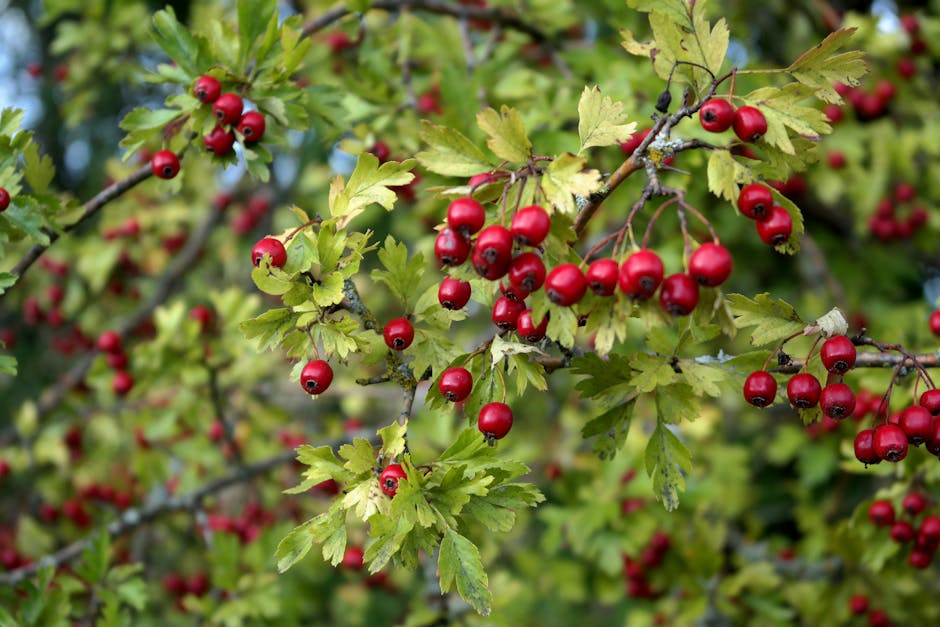
Hawthorn Berry
Traditional heart tonic with cardiovascular benefits.
How hawthorn helps:
- Dilates blood vessels
- Improves heart muscle function
- Reduces peripheral resistance
- Supports healthy circulation
Usage guidelines:
- Standardized extract: 300-600mg twice daily
- Tea: 1-2 teaspoons dried berries or leaves
- Tincture: 2-4ml three times daily
- Duration: Use consistently for 6-8 weeks for full benefits
Note: May interact with heart medications; consult healthcare provider
Hibiscus Tea
Antioxidant-rich flower with blood pressure benefits.
Research support:
- 3-4 mmHg reduction in systolic pressure
- Comparable to some medications in mild hypertension
- Rich in anthocyanins and antioxidants
Preparation:
- Tea: 2-3 cups daily of hibiscus tea
- Dosage: 1-2 teaspoons dried flowers per cup
- Steeping: 5-10 minutes in hot water
- Timing: Throughout the day, can be enjoyed cold
Olive Leaf Extract
Mediterranean herb with cardiovascular benefits.
Active compound: Oleuropein Benefits:
- Supports healthy blood vessel function
- Antioxidant protection
- May help with mild hypertension
- Anti-inflammatory effects
Usage:
- Standardized extract: 500-750mg twice daily
- Tea: 1-2 teaspoons dried leaves
- Look for: 15-20% oleuropein content
- Best taken: With meals
Stress Management for Blood Pressure
The Stress-Blood Pressure Connection
Chronic stress contributes to hypertension through:
- Increased cortisol production
- Elevated heart rate
- Blood vessel constriction
- Inflammation promotion
- Unhealthy coping behaviors
Breathing Techniques
4-7-8 Breathing:
- Exhale completely
- Inhale through nose for 4 counts
- Hold breath for 7 counts
- Exhale through mouth for 8 counts
- Repeat 3-4 cycles
Box Breathing:
- Inhale for 4 counts
- Hold for 4 counts
- Exhale for 4 counts
- Hold empty for 4 counts
- Repeat 5-10 cycles
Meditation and Mindfulness
Daily practice benefits:
- Reduces stress hormone levels
- Lowers blood pressure over time
- Improves heart rate variability
- Enhances overall well-being
Simple meditation technique:
- Sit comfortably with eyes closed
- Focus on natural breathing
- When mind wanders, return to breath
- Start with 5-10 minutes daily
- Gradually increase duration
Progressive Muscle Relaxation
Technique:
- Start with toes, tense for 5 seconds
- Release and notice relaxation
- Move up through each muscle group
- End with full-body relaxation
- Practice 15-20 minutes daily
Exercise for Blood Pressure Support
Aerobic Exercise
Regular cardio exercise strengthens the heart and improves circulation.
Effective activities:
- Walking: 30 minutes daily, moderate pace
- Swimming: Low-impact, full-body exercise
- Cycling: Stationary or outdoor biking
- Dancing: Enjoyable cardio workout
- Stair climbing: High-intensity option
Exercise guidelines:
- Frequency: Most days of the week
- Intensity: Moderate (can still talk while exercising)
- Duration: 30 minutes minimum
- Progression: Gradually increase intensity and duration
Resistance Training
Strength training supports overall cardiovascular health.
Benefits:
- Improves insulin sensitivity
- Supports healthy weight
- Strengthens heart muscle
- Reduces inflammation
Safe resistance training:
- Light to moderate weights: Avoid heavy lifting
- Higher repetitions: 12-15 reps per set
- Avoid breath holding: Breathe normally during exercises
- Full-body routine: 2-3 times per week
Yoga and Gentle Movement
Blood pressure benefits:
- Combines movement with stress reduction
- Improves flexibility and balance
- Promotes relaxation response
- Suitable for all fitness levels
Effective poses:
- Child’s pose: Calming and restorative
- Legs up the wall: Promotes circulation
- Cat-cow: Gentle spinal movement
- Corpse pose: Deep relaxation
Weight Management Support
Healthy Weight and Blood Pressure
Weight loss benefits:
- 1-2 mmHg reduction per pound lost
- Improves insulin sensitivity
- Reduces strain on cardiovascular system
- Enhances overall health
Sustainable Approaches
Effective strategies:
- Portion control: Use smaller plates and bowls
- Mindful eating: Pay attention to hunger and fullness
- Regular meals: Avoid skipping meals
- Hydration: Drink water before meals
- Sleep quality: 7-9 hours supports healthy weight
Foods That Support Healthy Weight
Include more:
- Fiber-rich foods: Vegetables, fruits, whole grains
- Lean proteins: Fish, poultry, legumes, tofu
- Healthy fats: Avocados, nuts, olive oil
- Water-rich foods: Cucumber, watermelon, soup
Natural Supplements for Blood Pressure
Magnesium
Essential mineral for blood vessel function.
Benefits:
- Relaxes blood vessel walls
- Supports healthy heart rhythm
- Reduces inflammation
- Improves insulin sensitivity
Dosage:
- General support: 200-400mg daily
- Forms: Magnesium glycinate, citrate, or oxide
- Timing: With meals to improve absorption
- Caution: Start with lower doses to avoid digestive upset
Coenzyme Q10 (CoQ10)
Antioxidant that supports heart health.
Research findings:
- 11-17 mmHg reduction in systolic pressure
- Improves heart muscle function
- Enhances cellular energy production
- Antioxidant protection
Usage:
- Dosage: 100-200mg daily
- Form: Ubiquinol is more easily absorbed
- Timing: With fat-containing meals
- Duration: 8-12 weeks for full benefits
Omega-3 Fatty Acids
Anti-inflammatory fats that support cardiovascular health.
Benefits:
- Reduce inflammation
- Improve blood vessel flexibility
- Support healthy heart rhythm
- May lower blood pressure modestly
Sources:
- Fish oil: 1-2 grams EPA/DHA daily
- Algae oil: Vegetarian omega-3 source
- Fatty fish: 2-3 servings weekly
- Flaxseeds: 1-2 tablespoons ground daily
Potassium Supplements
When dietary intake is insufficient.
Considerations:
- Prescription required: For doses over 99mg
- Food sources preferred: Better absorbed from foods
- Monitor levels: Blood tests if using supplements
- Kidney function: Important consideration for supplementation
Lifestyle Modifications
Sleep Quality
Poor sleep affects blood pressure regulation.
Sleep hygiene practices:
- Consistent schedule: Same bedtime and wake time
- Cool environment: 65-68°F for optimal sleep
- Dark room: Blackout curtains or eye mask
- Limit screens: Avoid blue light before bed
- Relaxation routine: Calming activities before sleep
Alcohol Moderation
Guidelines:
- Men: No more than 2 drinks daily
- Women: No more than 1 drink daily
- Binge drinking: Avoid completely
- Wine benefits: Red wine antioxidants in moderation
Smoking Cessation
Smoking significantly increases cardiovascular risk.
Support strategies:
- Nicotine replacement: Patches, gum, lozenges
- Natural approaches: Acupuncture, hypnotherapy
- Support groups: Professional and peer support
- Stress management: Address underlying stress
Home Blood Pressure Monitoring
Proper Measurement Technique
Equipment:
- Validated monitor: Automatic cuff monitors
- Proper cuff size: Fits 80% of upper arm circumference
- Regular calibration: Check accuracy annually
Measurement protocol:
- Rest: Sit quietly 5 minutes before measuring
- Position: Feet flat on floor, arm supported at heart level
- Timing: Same time daily, avoid caffeine/exercise beforehand
- Multiple readings: Take 2-3 measurements, average results
- Record: Keep log of readings for healthcare provider
When to Measure
- Daily routine: Same time each day
- Before medications: If taking blood pressure drugs
- Stress events: During times of high stress
- Symptoms: If experiencing headaches or dizziness
Creating a Blood Pressure Support Plan
Week 1-2: Foundation
- Diet changes: Begin reducing sodium, increase potassium
- Exercise routine: Start with 15-20 minutes walking daily
- Stress management: Begin daily breathing exercises
- Sleep hygiene: Establish consistent sleep schedule
Week 3-6: Enhancement
- Herbal support: Add garlic and hibiscus tea
- Exercise progression: Increase to 30 minutes daily
- Weight management: Focus on sustainable habits
- Meditation: Add 10-15 minutes daily practice
Week 7-12: Optimization
- Fine-tune diet: Perfect DASH diet principles
- Supplement support: Add magnesium or CoQ10 if needed
- Social support: Include family in healthy changes
- Regular monitoring: Track progress with home measurements
Long-term Maintenance
- Lifestyle integration: Make changes permanent habits
- Regular check-ins: Healthcare provider monitoring
- Continued learning: Stay informed about heart health
- Stress management: Ongoing practice and adaptation
When to Seek Medical Care
Emergency Situations
Seek immediate care for:
- Blood pressure over 180/120: Hypertensive crisis
- Severe headache: With high blood pressure
- Chest pain or pressure: Possible heart attack
- Difficulty breathing: Shortness of breath
- Vision changes: Blurred or loss of vision
- Neurological symptoms: Confusion, weakness, numbness
Regular Medical Monitoring
Importance of healthcare supervision:
- Medication management: Never stop drugs without provider approval
- Underlying conditions: Diabetes, kidney disease require special care
- Drug interactions: Natural supplements can interact with medications
- Progress monitoring: Regular check-ups to assess improvement
Integrative Approach
Working with healthcare providers:
- Open communication: Discuss all natural approaches being used
- Medication adjustments: Provider may reduce drugs as lifestyle improves
- Monitoring plan: Regular blood pressure and lab checks
- Team approach: Combine natural and medical strategies
Building Sustainable Habits
Making Changes Stick
Successful strategies:
- Start small: Make one change at a time
- Track progress: Use apps or journals
- Social support: Include family and friends
- Celebrate wins: Acknowledge improvements
- Plan for setbacks: Have strategies for difficult times
Family Involvement
Heart-healthy family practices:
- Meal planning: Involve everyone in healthy cooking
- Active time: Family walks or bike rides
- Stress management: Family meditation or relaxation time
- Education: Teach children about heart health
Natural support for healthy blood pressure involves a comprehensive approach combining proven dietary strategies, regular physical activity, stress management, and targeted natural supplements. While these approaches can be highly effective, they work best as part of an integrated plan that includes appropriate medical monitoring and care.
Related Articles
For comprehensive cardiovascular health support, explore these related topics:
- Stress Management - Reducing blood pressure through stress relief
- Heart Health Diet - Foods for heart health
- Garlic Benefits - Natural cardiovascular support
- Exercise for Heart Health - Physical activity for cardiovascular wellness
- Natural Cholesterol Management - Supporting healthy cholesterol levels
Disclaimer
The content on this page is provided for informational and educational purposes only. It is not intended to be a substitute for professional medical advice, diagnosis, or treatment. High blood pressure is a serious medical condition that requires professional monitoring and treatment. Natural remedies can interact with medications and may not be suitable for everyone. Never stop or change blood pressure medications without consulting your healthcare provider. Always seek the advice of your physician or other qualified health provider with any questions you may have regarding a medical condition.
Key Ingredients
Lifestyle Tips
- ✓ Reduce sodium intake
- ✓ Regular exercise
- ✓ Maintain healthy weight
- ✓ Manage stress levels
⚠️ When to Seek Medical Help
- ⚠️ Blood pressure over 180/120
- ⚠️ Severe headache with high BP
- ⚠️ Chest pain
- ⚠️ Difficulty breathing
Frequently Asked Questions
Can natural remedies replace blood pressure medications?
Natural approaches can support healthy blood pressure, but medication changes should only be made with healthcare provider supervision.
How quickly do natural methods work for blood pressure?
Lifestyle changes may show effects in 2-4 weeks, while some herbs can have more immediate effects. Consistency is key for long-term benefits.
What's the most important dietary change for blood pressure?
Reducing sodium intake and increasing potassium-rich foods often has the most significant impact on blood pressure levels.