Sleep Wellness Collection
Comprehensive guide to natural sleep support, addressing insomnia, sleep quality, and restorative rest through proven herbs and lifestyle practices.
⚠️ Important Notice: This information is for educational purposes only and is not intended as medical advice. Chronic sleep disorders can have serious health consequences and may require professional medical evaluation. Always consult with a qualified healthcare provider before trying new remedies, especially if you have underlying health conditions or take medications.
Sleep Wellness Collection
Quality sleep is fundamental to health, affecting everything from immune function to mental clarity, emotional balance, and physical recovery. This comprehensive collection explores natural approaches to improving sleep quality, addressing insomnia, and supporting your body’s natural sleep-wake cycle through proven remedies and lifestyle practices.
Understanding Sleep and Its Importance
The Sleep Cycle
Healthy sleep consists of multiple stages that repeat throughout the night:
- Stage 1: Light sleep transition from wakefulness
- Stage 2: Deeper sleep with reduced brain activity
- Stage 3: Deep sleep for physical restoration and growth hormone release
- REM Sleep: Rapid eye movement sleep for memory consolidation and dreaming
- Complete cycles: 4-6 cycles per night, each lasting 90-120 minutes
Functions of Quality Sleep
Sleep serves multiple critical functions for optimal health:
- Physical restoration: Tissue repair, immune system strengthening, hormone regulation
- Mental processing: Memory consolidation, emotional processing, brain detoxification
- Metabolic regulation: Blood sugar control, appetite hormone balance, weight management
- Cardiovascular health: Blood pressure regulation, heart rate recovery
- Cognitive function: Attention, decision-making, creative problem-solving
Common Sleep Disruptors
Modern lifestyle factors can significantly impact sleep quality:
- Technology exposure: Blue light suppressing melatonin production
- Stress and anxiety: Activating fight-or-flight responses incompatible with sleep
- Irregular schedules: Disrupting circadian rhythm regulation
- Caffeine and stimulants: Interfering with natural sleepiness signals
- Environmental factors: Noise, light, temperature, and air quality issues
Featured Sleep-Supporting Remedies
Insomnia
Comprehensive natural approaches to overcoming sleeplessness
Insomnia affects millions and can result from various causes including stress, anxiety, hormonal changes, and lifestyle factors. Natural remedies can help restore healthy sleep patterns.
Multi-faceted insomnia support:
- Calming herbs to quiet racing thoughts
- Nervous system relaxation techniques
- Sleep hygiene optimization protocols
- Addressing underlying causes naturally
Anxiety
Calming anxious minds for peaceful sleep
Anxiety is one of the leading causes of sleep disturbances. Natural approaches can help calm the nervous system and prepare the mind for rest.
Anxiety-sleep support includes:
- Adaptogenic herbs for stress resilience
- Nervine relaxants for immediate calming
- Mindfulness practices for mental quieting
- Lifestyle modifications for long-term anxiety management
Stress
Managing daily stress for better sleep quality
Chronic stress elevates cortisol levels, interfering with natural sleep patterns. Natural stress management supports healthy sleep-wake cycles.
Stress-sleep protocol:
- Cortisol regulation with adaptogenic herbs
- Evening stress-reduction practices
- Nervous system restoration techniques
- Creating calming bedtime routines
Chronic Fatigue
Restoring energy through restorative sleep
Chronic fatigue often involves disrupted sleep patterns and poor sleep quality. Natural approaches can help restore restorative sleep and energy levels.
Fatigue-sleep restoration:
- Supporting natural circadian rhythms
- Addressing sleep quality rather than just quantity
- Gentle herbs that support both energy and rest
- Lifestyle modifications for sustainable energy
Menopause Support
Managing sleep disturbances during hormonal transitions
Menopause commonly brings sleep challenges including hot flashes, night sweats, and hormonal insomnia. Natural remedies can provide gentle, effective support.
Menopausal sleep support:
- Hormone-balancing herbs for stability
- Cooling herbs for hot flash management
- Nervous system support for emotional balance
- Lifestyle adaptations for changing needs
Star Sleep-Supporting Ingredients
Valerian - The Sleep Inducer
Primary benefits:
- Reduces time to fall asleep (sleep latency)
- Improves deep sleep quality and duration
- Calms nervous system without morning grogginess
- Provides gentle muscle relaxation for physical tension
Best for:
- Difficulty falling asleep (sleep onset insomnia)
- Nervous tension affecting sleep quality
- Restless leg syndrome and muscle tension
- Stress-related sleep disturbances
Usage guidelines:
- 300-600mg standardized extract 30-60 minutes before bed
- Valerian tea: 1-2 teaspoons dried root steeped 10-15 minutes
- May take 2-4 weeks of consistent use for full benefits
- Generally safe for long-term use in most individuals
Chamomile - The Gentle Relaxer
Primary benefits:
- Provides mild sedative effects through apigenin compound
- Reduces anxiety and calms racing thoughts
- Soothes digestive upset that can interfere with sleep
- Safe for children and elderly individuals
Best for:
- Mild insomnia and sleep onset difficulties
- Anxiety-related sleep problems
- Digestive issues affecting sleep comfort
- Creating calming bedtime routines
Usage guidelines:
- Chamomile tea: 1-2 cups in evening, 1-2 hours before bed
- Standardized extract: 200-400mg before bedtime
- Essential oil: 2-3 drops in diffuser or bath
- Can be used daily without tolerance issues
Passionflower - The Mind Quieter
Primary benefits:
- Calms mental chatter and racing thoughts
- Reduces anxiety without sedation during the day
- Improves sleep quality metrics in research studies
- Provides GABA-enhancing effects for nervous system calm
Best for:
- Anxiety-induced insomnia and worry
- Mental restlessness preventing sleep
- Stress-related sleep fragmentation
- Supporting natural GABA production
Usage guidelines:
- 250-500mg standardized extract 1-2 hours before bed
- Passionflower tea: 1 teaspoon dried herb per cup
- Tincture: 1-2 dropperfuls in water before bedtime
- Safe for regular use without dependency concerns
Lemon Balm - The Stress Soother
Primary benefits:
- Calms nervous system and reduces stress hormones
- Improves mood and emotional balance
- Enhances sleep quality through stress reduction
- Provides gentle digestive support
Best for:
- Stress-related sleep difficulties
- Emotional upset affecting sleep
- Digestive nervousness preventing rest
- Creating peaceful evening routines
Usage guidelines:
- Fresh or dried herb tea: 2-3 cups throughout evening
- Standardized extract: 300-500mg before bedtime
- Essential oil: Add to evening bath or diffuser
- Combines well with other calming herbs
Magnesium - The Relaxation Mineral
Primary benefits:
- Relaxes muscles and nervous system
- Supports healthy sleep architecture
- Regulates neurotransmitters involved in sleep
- Reduces restless leg syndrome and muscle cramps
Best for:
- Muscle tension preventing comfortable sleep
- Magnesium deficiency-related insomnia
- Restless leg syndrome and nighttime cramps
- Supporting overall nervous system health
Usage guidelines:
- Magnesium glycinate: 200-400mg 1-2 hours before bed
- Magnesium oil: Apply topically to feet or legs
- Epsom salt baths: 1-2 cups in warm evening bath
- Take consistently for several weeks for full benefits
Sleep Wellness Protocols
General Sleep Support Protocol
For improving overall sleep quality and duration:
2-3 hours before bed:
- Dim lights and reduce screen exposure
- Light evening meal, avoid heavy foods
- Begin calming activities (reading, gentle music)
- Consider magnesium supplement for muscle relaxation
1-2 hours before bed:
- Chamomile or passionflower tea for nervous system calm
- Warm bath with Epsom salts and lavender
- Gentle stretching or restorative yoga
- Journaling or gratitude practice for mental clearing
30-60 minutes before bed:
- Valerian supplement for sleep induction
- Essential oil diffusion in bedroom
- Progressive muscle relaxation or meditation
- Bedroom preparation (cool, dark, quiet)
At bedtime:
- Consistent sleep time regardless of weekends
- Avoid clock-watching if awakening during night
- Use relaxation techniques if mind becomes active
- Return to bed only when genuinely sleepy if awake
Stress-Related Insomnia Protocol
For sleep disrupted by daily stress and worry:
Throughout the day:
- Adaptogenic herbs (ashwagandha, rhodiola) for stress resilience
- Regular exercise but not within 3 hours of bedtime
- Stress management practices (meditation, deep breathing)
- Limit caffeine to morning hours only
Evening stress reduction:
- “Worry time” scheduled earlier in day, not at bedtime
- Calming herbal blend: passionflower + lemon balm + chamomile
- Warm bath with magnesium salts and lavender
- Gentle yoga or tai chi for nervous system calming
Bedtime routine:
- Consistent wind-down ritual beginning 1-2 hours early
- Valerian or herbal sleep blend 30-60 minutes before bed
- Progressive muscle relaxation to release physical tension
- Bedroom environment optimized for calm and rest
Hormone-Related Sleep Issues Protocol
For sleep disturbances related to hormonal changes:
Daily hormone support:
- Adaptogenic herbs for HPA axis balance
- Regular meal timing to support blood sugar stability
- Phytoestrogen-rich foods for gentle hormone modulation
- Stress reduction practices for cortisol regulation
Evening hormone balance:
- Cooling herbs (sage, red clover) for hot flash management
- Magnesium for muscle relaxation and nervous system support
- Holy basil or ashwagandha for cortisol regulation
- Consistent bedtime for circadian rhythm support
Night-time support:
- Bedroom temperature cool (65-68°F) for temperature regulation
- Moisture-wicking sleepwear and bedding for comfort
- Herbal blend targeting hormonal sleep issues
- Natural progesterone support if appropriate (consult practitioner)
Sleep Maintenance Protocol
For frequent night wakings and poor sleep continuity:
Sleep architecture support:
- Consistent sleep schedule including weekends
- Magnesium supplementation for muscle and nervous system relaxation
- B-complex vitamins for neurotransmitter support
- Regular daytime light exposure for circadian rhythm regulation
Night waking management:
- Keep bedroom completely dark with blackout curtains
- White noise or earplugs for sound masking
- Avoid looking at clocks during night wakings
- Use relaxation techniques if awake more than 20 minutes
Sleep quality enhancement:
- Cool bedroom temperature throughout night
- Comfortable, supportive mattress and pillows
- Herbal tea blend for sustained calm (valerian + passionflower)
- Address any underlying causes (sleep apnea, restless legs)
Lifestyle Foundations for Sleep Wellness
Sleep Hygiene Essentials
Bedroom environment:
- Temperature: 65-68°F (18-20°C) for optimal comfort
- Darkness: Blackout curtains, eye masks, eliminate light sources
- Quiet: White noise machines, earplugs, address noise sources
- Comfort: Quality mattress, supportive pillows, breathable bedding
Pre-sleep routine:
- Consistent bedtime and wake time, including weekends
- Wind-down period beginning 1-2 hours before sleep
- Avoid screens or use blue light blocking glasses
- Calming activities: reading, gentle music, meditation
Daily practices:
- Morning light exposure to regulate circadian rhythms
- Regular exercise, but not within 3 hours of bedtime
- Limited caffeine to morning hours (avoid after 2 PM)
- Manage stress throughout day rather than at bedtime
Circadian Rhythm Support
Light exposure timing:
- Bright light in morning to signal wake time
- Dim lights in evening to prepare for sleep
- Avoid blue light from screens 2 hours before bed
- Consider light therapy lamp for seasonal challenges
Meal timing for sleep:
- Last large meal 3-4 hours before bedtime
- Light snack with tryptophan if hungry before bed
- Avoid alcohol close to bedtime (disrupts sleep quality)
- Stay hydrated during day, reduce fluids before sleep
Movement and Exercise
Sleep-supporting activities:
- Regular aerobic exercise for sleep quality improvement
- Morning or afternoon exercise preferred over evening
- Gentle yoga or stretching in evening for relaxation
- Walking in nature for stress reduction and circadian support
Avoid close to bedtime:
- Intense cardio or strength training within 3 hours
- Stimulating activities that increase heart rate
- Competitive sports or mentally engaging exercise
- Activities that cause excessive sweating or heating
Natural Sleep Environment Optimization
Aromatherapy for Sleep
Essential oils for sleep:
- Lavender: Most researched for sleep quality improvement
- Roman chamomile: Gentle and safe for all ages
- Bergamot: Reduces anxiety and promotes calm
- Sandalwood: Deeply relaxing and grounding
Application methods:
- Diffuser: 5-10 drops in bedroom 30 minutes before sleep
- Bath: 3-5 drops in carrier oil added to warm water
- Pillow spray: Diluted essential oils in spray bottle
- Topical: 1-2 drops in carrier oil applied to temples or wrists
Sound Therapy for Sleep
Sleep-promoting sounds:
- White noise: Consistent frequency masking other sounds
- Nature sounds: Rain, ocean waves, gentle wind
- Binaural beats: Delta frequencies (1-4 Hz) for deep sleep
- Classical music: Slow tempo, minimal dynamics
Sound environment:
- Volume low enough to fade into background
- Consistent throughout night without sudden changes
- Timer setting to avoid dependence on sound for sleep
- Comfortable headphones or pillow speakers if needed
Temperature and Air Quality
Optimal sleep climate:
- Cool temperature for natural body temperature drop
- Good air circulation without direct drafts
- Humidity levels between 30-50% for comfort
- Air purification if allergies or sensitivities present
Natural temperature regulation:
- Breathable, natural fiber bedding and sleepwear
- Cooling mattress toppers or pillows if needed
- Fans for air circulation and white noise
- Window management for natural temperature control
Addressing Common Sleep Challenges
Sleep Onset Insomnia (Difficulty Falling Asleep)
Natural interventions:
- Valerian or passionflower 30-60 minutes before desired sleep time
- Progressive muscle relaxation or guided imagery
- Consistent pre-sleep routine to signal bedtime
- Address anxiety or stress with appropriate herbs and techniques
Sleep Maintenance Insomnia (Frequent Wakings)
Support strategies:
- Magnesium supplementation for sustained nervous system calm
- Consistent sleep environment throughout night
- Avoid clock-watching and bedroom activities other than sleep
- Address potential causes: hormones, medications, sleep disorders
Early Morning Awakening
Balancing approaches:
- Light therapy in evening to extend natural sleep period
- Avoid stimulating activities or substances in afternoon
- Address depression or anxiety that may cause early waking
- Consider melatonin supplementation under professional guidance
Non-Restorative Sleep (Poor Sleep Quality)
Quality enhancement:
- Focus on deep sleep support with magnesium and valerian
- Address underlying health issues affecting sleep architecture
- Optimize sleep environment for comfort and minimal disturbances
- Consider sleep study if quality issues persist despite interventions
When to Seek Professional Help
Warning Signs Requiring Medical Attention
Consult healthcare provider for:
- Persistent insomnia lasting more than 3 weeks
- Loud snoring with gasping or choking sounds
- Excessive daytime sleepiness despite adequate sleep time
- Restless leg syndrome or periodic limb movements
- Depression or anxiety significantly affecting sleep
Sleep disorders requiring evaluation:
- Sleep apnea: Breathing interruptions during sleep
- Narcolepsy: Sudden sleep attacks during daytime
- REM sleep behavior disorder: Acting out dreams
- Circadian rhythm disorders: Persistent sleep-wake cycle disruption
Integrative Healthcare Approach
Beneficial healthcare providers:
- Sleep medicine specialist: For comprehensive sleep disorder evaluation
- Functional medicine doctor: For root cause analysis of sleep issues
- Naturopathic doctor: For natural sleep support protocols
- Behavioral sleep medicine specialist: For sleep hygiene and cognitive approaches
Diagnostic tools:
- Sleep study (polysomnography) for sleep disorder assessment
- Home sleep testing for sleep apnea evaluation
- Sleep diary tracking for pattern identification
- Hormone testing if sleep issues coincide with life transitions
Quality sleep is not a luxury but a necessity for optimal health and well-being. By implementing natural sleep support strategies consistently and addressing underlying causes of sleep disturbances, you can restore your body’s natural ability to achieve restorative, refreshing sleep.
Related Articles
- Insomnia Relief - Comprehensive natural insomnia solutions
- Valerian Guide - Nature’s sleep inducer
- Stress Management - Managing stress for better sleep
- Adaptogenic Herbs - Stress resilience for sleep
- Anxiety Support - Calming anxiety for peaceful rest
Disclaimer
The content in this collection is provided for informational and educational purposes only. It is not intended to be a substitute for professional medical advice, diagnosis, or treatment. Chronic sleep disorders can have serious health consequences and may require professional medical evaluation and treatment. Natural sleep support should complement, not replace, appropriate medical care. Always seek the advice of your physician or other qualified health provider with any questions you may have regarding sleep health or before starting any new supplement regimen.
Remedies in This Collection
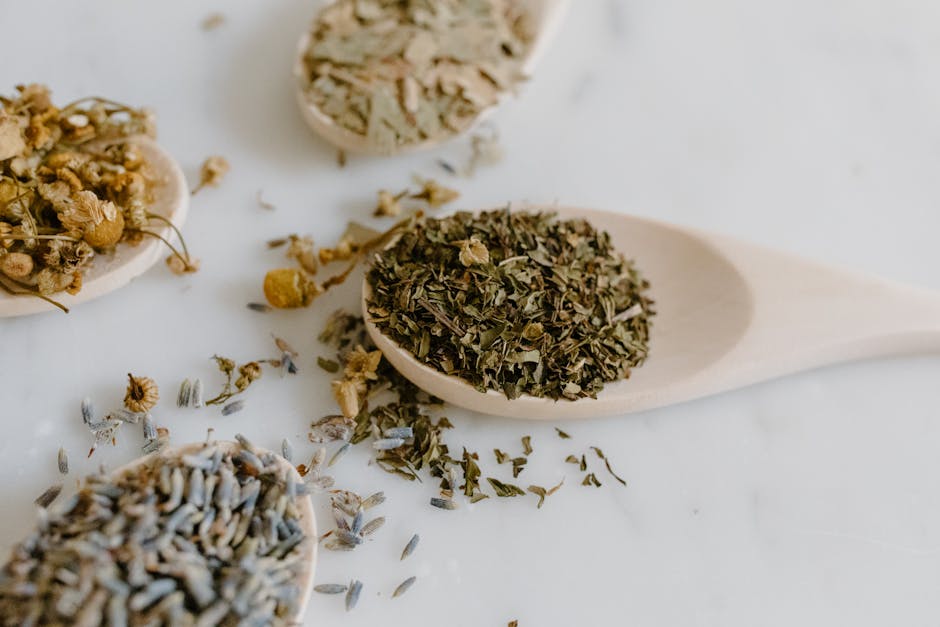
Natural Remedies for Insomnia
Gentle, natural approaches to improve sleep quality using herbs, routine, and relaxation techniques.

Natural Remedies for Anxiety
Calming herbs, breathing techniques, and lifestyle approaches to help manage anxious feelings naturally.

Natural Remedies for Stress Relief
Calming herbs, breathing techniques, and lifestyle changes to help manage stress naturally.

Natural Chronic Fatigue Syndrome Support
Address chronic fatigue naturally with energy-supporting herbs, mitochondrial nutrients, and gentle restoration practices.

Natural Menopause Support and Relief
Navigate menopause naturally with hormone-balancing herbs, cooling remedies, and lifestyle strategies for comfortable transition.
Key Ingredients

Important Notice
This information is for educational purposes only and should not replace professional medical advice. Always consult with a healthcare provider before trying new remedies.