CBD Oil – Uses & Benefits
Cannabidiol extract from hemp plants used for pain relief, anxiety support, sleep improvement, and various wellness applications.
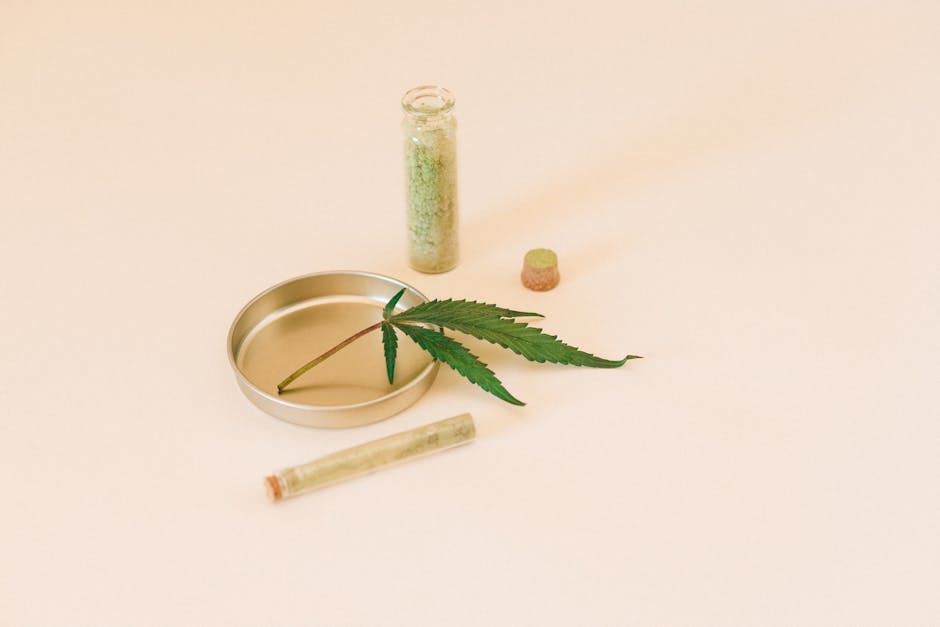
Quick Facts
Used for:
Available forms:
⚠️ Cautions:
- • May interact with medications
- • Quality varies significantly between brands
- • Legal status varies by location
⚠️ Important Legal and Medical Notice: This information is for educational purposes only and is not intended as medical advice. CBD oil legal status varies by location and may interact with medications. Always consult with a qualified healthcare provider before using CBD, especially if taking other medications or have medical conditions. Ensure CBD products are legal in your area before purchase or use.
Overview
Cannabidiol (CBD) is a non-psychoactive compound extracted from hemp plants that has gained significant attention for its potential therapeutic benefits. Unlike THC (tetrahydrocannabinol), CBD does not produce a “high” and is being researched for various health applications including pain management, anxiety relief, and sleep support.
What is CBD?
Cannabis Plant Compounds
Cannabinoids:
- CBD (Cannabidiol): Non-psychoactive, therapeutic compound
- THC (Tetrahydrocannabinol): Psychoactive compound causing “high”
- CBG (Cannabigerol): Minor cannabinoid with potential benefits
- CBN (Cannabinol): Mildly psychoactive, associated with sedation
- Over 100 identified: Many cannabinoids with various properties
Other beneficial compounds:
- Terpenes: Aromatic compounds that may enhance CBD effects
- Flavonoids: Antioxidant compounds found in hemp
- Fatty acids: Omega-3 and omega-6 essential fatty acids
- Vitamins and minerals: Various nutrients in whole plant extracts
Hemp vs. Marijuana
Legal hemp:
- THC content: Less than 0.3% THC by dry weight
- CBD rich: High concentrations of CBD
- Legal status: Federally legal in US (state laws vary)
- Industrial uses: Fiber, seeds, oil production
Marijuana:
- THC content: Higher than 0.3% THC, often 15-30%
- Psychoactive: Produces intoxicating effects
- Legal status: Varies by state and country
- Medical use: Legal in some states for medical purposes
Types of CBD Products
Full-Spectrum CBD
Contains all naturally occurring compounds from the hemp plant.
Components:
- All cannabinoids: CBD, trace THC, CBG, CBN, others
- Terpenes: Complete terpene profile
- Flavonoids: Antioxidant compounds
- Other compounds: Fatty acids, vitamins, minerals
Potential benefits:
- Entourage effect: Compounds may work synergistically
- Natural balance: Maintains plant’s natural ratios
- Enhanced effectiveness: May be more effective than isolated CBD
- Research support: Some studies suggest superiority over isolates
Considerations:
- THC presence: Contains trace amounts (less than 0.3%)
- Drug testing: May cause positive THC test results
- Flavor: Stronger, earthier taste than other forms
- Legal concerns: Verify legal status in your area
Broad-Spectrum CBD
Contains multiple cannabinoids but with THC removed.
Characteristics:
- THC-free: All detectable THC removed
- Multiple cannabinoids: Retains other beneficial cannabinoids
- Terpenes preserved: Maintains aromatic compounds
- Entourage effect: Some synergistic benefits without THC
Advantages:
- No THC concerns: Safe for those avoiding THC completely
- Drug testing: Lower risk of positive drug tests
- Legal safety: Less legal ambiguity than full-spectrum
- Effectiveness: More effective than isolate for many people
CBD Isolate
Pure CBD with all other compounds removed.
Purity:
- 99%+ CBD: Highly purified cannabidiol
- No other cannabinoids: THC, CBG, CBN completely removed
- No terpenes: Aromatic compounds absent
- Tasteless: No hemp flavor or aroma
Benefits:
- Precise dosing: Exact CBD amounts known
- No THC risk: Zero THC content
- Versatility: Can be added to foods, drinks, topicals
- Predictable: Consistent effects without other variables
Limitations:
- No entourage effect: May be less effective than whole-plant extracts
- Higher doses needed: Often require larger amounts for effectiveness
- Less research: Most studies use whole-plant extracts
- Processing: Heavily processed compared to full-spectrum
How CBD Works in the Body
Endocannabinoid System (ECS)
The body’s natural system that CBD interacts with.
Components:
- CB1 receptors: Primarily in brain and nervous system
- CB2 receptors: Mainly in immune system and peripheral tissues
- Endocannabinoids: Naturally produced compounds (anandamide, 2-AG)
- Enzymes: Break down endocannabinoids after use
Functions of ECS:
- Homeostasis: Maintains body balance
- Pain regulation: Modulates pain perception
- Mood control: Influences emotional responses
- Sleep regulation: Affects sleep-wake cycles
- Immune function: Modulates immune responses
CBD’s Mechanisms of Action
Receptor interactions:
- CB1 receptors: Weak interaction, may modulate activity
- CB2 receptors: Potential anti-inflammatory effects
- Non-cannabinoid receptors: Serotonin, GABA, other systems
- Enzyme inhibition: May affect endocannabinoid breakdown
Other mechanisms:
- Anti-inflammatory: Reduces inflammatory markers
- Antioxidant: Protects against oxidative stress
- Neuroprotective: May protect brain cells
- Anxiolytic: Potential anti-anxiety effects
Research-Supported Uses
Pain Management
CBD shows promise for various types of pain relief.
Types of pain studied:
- Chronic pain: Long-term pain conditions
- Neuropathic pain: Nerve-related pain
- Inflammatory pain: Pain from inflammation
- Arthritis pain: Joint pain and stiffness
Research findings:
- Animal studies: Promising results for pain reduction
- Human studies: Limited but encouraging clinical trials
- Mechanism: May affect pain perception pathways
- Topical applications: Local pain relief without systemic effects
Considerations:
- Individual variation: Response varies greatly between people
- Dosage: Optimal dosing not well established
- Quality: Product quality significantly affects effectiveness
- Professional guidance: Work with healthcare providers for chronic pain
Anxiety and Stress Support
CBD is being researched for anxiety-related conditions.
Anxiety research:
- Social anxiety: Studies show reduced anxiety in social situations
- General anxiety: Some evidence for generalized anxiety disorder
- PTSD: Preliminary research on post-traumatic stress
- Performance anxiety: May help with situational anxiety
Mechanisms for anxiety relief:
- Serotonin receptors: May influence mood-regulating neurotransmitters
- GABA system: Potential effects on calming neurotransmitters
- Stress response: May modulate cortisol and stress hormones
- Neuroplasticity: Could support healthy brain adaptation
Usage considerations:
- Dosage sensitivity: Lower doses may be more effective for anxiety
- Timing: Effects typically felt within 30-90 minutes
- Consistency: Regular use may provide better anxiety management
- Professional support: Not a replacement for therapy or medical treatment
Sleep Support
CBD may help with various sleep-related issues.
Sleep research:
- Sleep onset: May help falling asleep faster
- Sleep maintenance: Could reduce nighttime awakening
- Sleep quality: May improve overall sleep satisfaction
- REM sleep: Some studies suggest effects on sleep stages
Potential mechanisms:
- Anxiety reduction: Less anxiety may improve sleep
- Pain relief: Reduced pain can improve sleep quality
- Circadian rhythm: May influence sleep-wake cycles
- Relaxation: General calming effects promote sleep
Sleep application:
- Evening dosing: Typically taken 1-2 hours before bed
- Start low: Begin with small doses to assess effects
- Consistency: Regular timing may improve effectiveness
- Combine with sleep hygiene: Best results with good sleep habits
Seizure Disorders
FDA-approved prescription CBD for certain seizure conditions.
Epidiolex approval:
- FDA approved: Only FDA-approved CBD medication
- Specific conditions: Lennox-Gastaut syndrome, Dravet syndrome
- Prescription only: Requires medical supervision
- Rigorous testing: Extensive clinical trials for approval
Mechanism for seizures:
- Neuronal excitability: May reduce excessive brain activity
- Ion channels: Potential effects on nerve cell communication
- Neurotransmitters: May influence seizure-triggering chemicals
- Research ongoing: Studying other seizure types and conditions
Important notes:
- Medical supervision required: Seizure treatment requires professional care
- Don’t self-treat: Over-the-counter CBD not equivalent to prescription
- Drug interactions: CBD can affect other seizure medications
- Quality critical: Only pharmaceutical-grade CBD for medical use
Dosage Guidelines and Administration
Starting Dosage
General recommendations:
- Start low: 5-10mg daily for beginners
- Gradual increase: Increase by 5-10mg every few days
- Individual response: Optimal dose varies greatly between people
- Maximum exploration: Some people need 20-40mg or more daily
Factors affecting dosage:
- Body weight: Heavier individuals may need higher doses
- Condition severity: More severe symptoms may require higher doses
- Product quality: Higher quality products may be more effective
- Individual sensitivity: Some people very sensitive to CBD
Administration Methods
Sublingual (under tongue):
- Absorption: Faster absorption than swallowing
- Onset: Effects within 15-45 minutes
- Hold time: Keep under tongue for 60-90 seconds
- Bioavailability: Higher absorption than oral consumption
Oral consumption (swallowing):
- Convenience: Easy to take with food or drinks
- Onset: 30-120 minutes for effects
- Duration: Longer-lasting effects (4-6 hours)
- First-pass metabolism: Liver processing reduces bioavailability
Topical application:
- Localized effects: Applied directly to affected area
- No systemic absorption: Doesn’t enter bloodstream significantly
- Skin conditions: May help with localized inflammation
- Pain relief: Direct application to painful areas
Vaping/inhalation:
- Fastest onset: Effects within minutes
- Short duration: Effects typically last 1-3 hours
- Lung concerns: Potential respiratory effects from vaping
- Dosage control: Difficult to measure exact dosage
Timing and Consistency
Daily timing:
- Morning: For anxiety, depression, or focus
- Evening: For sleep support or relaxation
- Divided doses: Split daily amount into 2-3 doses
- With food: May improve absorption and reduce stomach upset
Consistency importance:
- Regular schedule: Same time daily for best effects
- Build-up period: May take days to weeks for full benefits
- Steady levels: Consistent dosing maintains stable blood levels
- Track effects: Keep journal of dosage and effects
Quality and Safety Considerations
Product Quality Factors
Third-party testing:
- COA (Certificate of Analysis): Lab results for potency and purity
- Cannabinoid profile: Confirms CBD content and other cannabinoids
- Contaminant testing: Pesticides, heavy metals, solvents, microbes
- Batch-specific: Testing should match specific product batch
Extraction methods:
- CO2 extraction: Clean, safe method preserving beneficial compounds
- Ethanol extraction: Effective but may leave residual solvents
- Hydrocarbon extraction: Efficient but risk of toxic residues
- Solventless: Mechanical extraction without chemical solvents
Source and cultivation:
- Organic hemp: Grown without pesticides or synthetic fertilizers
- US-grown: Subject to agricultural regulations and oversight
- Sustainable practices: Environmentally responsible farming
- Genetics: Hemp strains specifically bred for CBD production
Safety and Side Effects
Common side effects:
- Fatigue: Drowsiness, especially with higher doses
- Digestive upset: Nausea, diarrhea, changes in appetite
- Dry mouth: Reduced saliva production
- Dizziness: Lightheadedness, especially when starting
Serious considerations:
- Liver function: High doses may affect liver enzymes
- Drug interactions: Can affect metabolism of other medications
- Pregnancy/breastfeeding: Safety not established, avoid use
- Children: Limited safety data, medical supervision essential
Drug interactions:
- Blood thinners: May increase bleeding risk
- Seizure medications: Can affect levels of anti-seizure drugs
- Heart medications: May interact with cardiac drugs
- Sedatives: May enhance sedating effects
Legal Status and Regulations
Federal and State Laws
Federal status (US):
- 2018 Farm Bill: Legalized hemp-derived CBD with <0.3% THC
- FDA oversight: Regulates CBD as dietary supplement ingredient
- Interstate commerce: Legal to ship across state lines
- Food and beverage: FDA prohibits CBD in food and drinks
State variations:
- Individual state laws: Some states have additional restrictions
- Medical vs. recreational: Different rules for medical and adult use
- Age restrictions: Some states require minimum age for purchase
- Local ordinances: Cities and counties may have additional rules
International status:
- Varies by country: Each nation has different CBD laws
- Travel considerations: Don’t travel internationally with CBD
- Import/export: Complex regulations for international trade
- Medical vs. wellness: Different rules for medical vs. general use
Shopping for CBD Products
Reputable sources:
- Licensed dispensaries: Where legally available
- Established brands: Companies with track record and transparency
- Online retailers: Verify legitimacy and third-party testing
- Avoid gas stations: Quality often poor, may be illegal
Red flags to avoid:
- Health claims: Specific medical claims are illegal for supplements
- No lab testing: Avoid products without third-party testing
- Unrealistic pricing: Extremely cheap products likely poor quality
- No contact information: Reputable companies provide contact details
CBD for Specific Conditions
Chronic Pain Management
Application strategies:
- Start low: Begin with 5-10mg twice daily
- Combination approach: Oral CBD plus topical application
- Timing: Take before activities that typically cause pain
- Track effectiveness: Monitor pain levels and functional improvement
Supporting research:
- Arthritis studies: Some evidence for joint pain relief
- Neuropathic pain: Promising results for nerve pain
- Cancer pain: Research ongoing for cancer-related pain
- Fibromyalgia: Limited but encouraging studies
Anxiety and PTSD Support
Usage guidelines:
- Lower doses: 5-25mg daily often effective for anxiety
- Acute vs. chronic: Different approaches for situational vs. ongoing anxiety
- Professional support: Combine with therapy and other treatments
- Monitor mood: Track anxiety levels and mood changes
Research areas:
- Social anxiety disorder: Most robust research findings
- Generalized anxiety: Some supporting evidence
- PTSD symptoms: Preliminary research shows promise
- Panic disorder: Limited research, individual reports
Sleep Disorders
Sleep-specific protocols:
- Evening dosing: 1-2 hours before desired bedtime
- Higher doses: May need 25-50mg for sleep effects
- Consistency: Same time nightly for best results
- Sleep hygiene: Combine with good sleep practices
Sleep research:
- Insomnia: Some studies show improved sleep onset
- Sleep quality: May improve overall sleep satisfaction
- REM sleep: Effects on sleep architecture under investigation
- Sleep disorders: Limited research on sleep apnea, restless legs
Economic and Environmental Considerations
Cost Analysis
Pricing factors:
- Quality: Higher quality products typically more expensive
- Potency: Higher CBD concentration increases cost
- Processing: Full-spectrum often costs more than isolate
- Brand reputation: Established brands may charge premium
Value considerations:
- Cost per mg: Compare CBD content to price
- Effectiveness: Higher quality may be more effective per mg
- Third-party testing: Worth paying for verified products
- Long-term use: Consider monthly costs for regular use
Environmental Impact
Sustainable hemp farming:
- Carbon sequestration: Hemp plants absorb CO2 from atmosphere
- Soil improvement: Hemp can improve soil health
- Water efficiency: Generally requires less water than other crops
- Biodegradable: Hemp products are environmentally friendly
Extraction considerations:
- CO2 extraction: Environmentally friendly, reusable CO2
- Solvent extraction: May use potentially harmful chemicals
- Energy use: Some extraction methods energy-intensive
- Waste management: Proper disposal of plant waste important
Future of CBD Research
Ongoing Studies
Clinical trials:
- Pain management: Large-scale studies on various pain conditions
- Mental health: Research on anxiety, depression, PTSD
- Neurological conditions: Studies on multiple sclerosis, Parkinson’s
- Addiction treatment: Research on substance abuse disorders
Emerging applications:
- Cardiovascular health: Preliminary research on heart conditions
- Autoimmune disorders: Studies on inflammatory conditions
- Cancer support: Research on cancer treatment side effects
- Skin conditions: Topical applications for dermatological issues
Regulatory Evolution
FDA oversight:
- Standardization: Potential for standardized dosing guidelines
- Quality control: Improved regulations for product quality
- Medical applications: Possible new prescription CBD medications
- Food and beverage: Potential future approval for food products
CBD oil represents a promising natural compound with growing research support for various health applications. While not a cure-all, quality CBD products may offer benefits for pain, anxiety, sleep, and other conditions when used appropriately and under professional guidance. As research continues and regulations evolve, CBD’s role in integrative health approaches will likely expand.
Related Articles
For comprehensive wellness and natural health support, explore these related topics:
- Natural Pain Relief Collection - Safe approaches to pain management
- Anxiety Support Guide - Natural approaches to anxiety relief
- Sleep Support Strategies - Natural methods for better sleep
- Anti-Inflammatory Approaches - Reducing inflammation naturally
- Stress Management Guide - Natural stress reduction techniques
Disclaimer
The content on this page is provided for informational and educational purposes only. It is not intended to be a substitute for professional medical advice, diagnosis, or treatment. CBD products have not been evaluated by the FDA for safety or efficacy except for one prescription medication (Epidiolex). CBD can interact with medications and may not be suitable for everyone. Legal status varies by location. Quality and potency of CBD products vary significantly between manufacturers. Always seek the advice of your physician or other qualified health provider with any questions you may have regarding a medical condition. Never disregard professional medical advice or delay in seeking it because of something you have read on this website.
Frequently Asked Questions
What's the difference between CBD and THC?
CBD is non-psychoactive and won't get you 'high', while THC is the psychoactive compound in marijuana. Hemp-derived CBD contains less than 0.3% THC.
How much CBD oil should I take?
Start with 5-10mg daily and gradually increase. Optimal dosing varies greatly between individuals, so start low and adjust based on response.
Is CBD oil legal?
Hemp-derived CBD with less than 0.3% THC is federally legal in the US, but state laws vary. Always check local regulations before purchasing or using CBD.