Echinacea – Uses & Benefits
Immune-supporting purple flower renowned for cold prevention, infection fighting, and natural immune system enhancement.
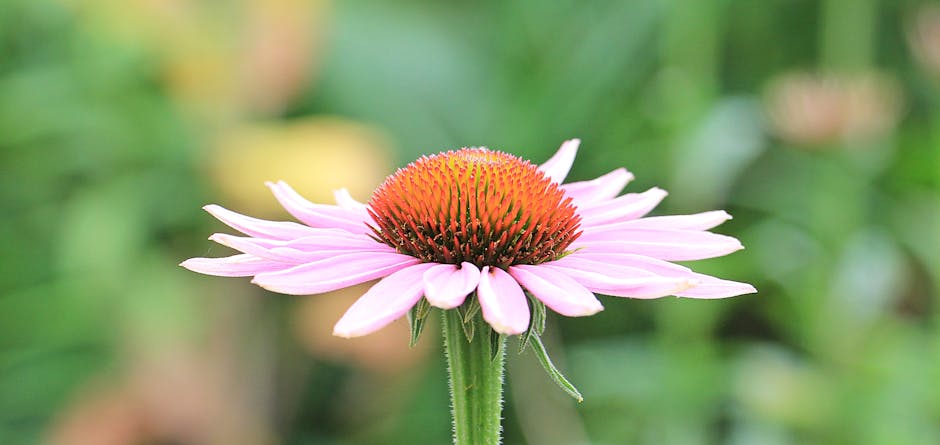
Quick Facts
Used for:
Available forms:
⚠️ Cautions:
- • May cause allergic reactions in some people
- • Avoid with autoimmune conditions
- • Not for long-term daily use
Overview
Echinacea, commonly known as purple coneflower, is one of the most popular and well-researched herbs for immune support. Native to North America, this beautiful flowering plant has been used for centuries by Native Americans and is now recognized worldwide for its ability to enhance immune function and help the body fight infections.
Plant Profile
Botanical Characteristics
Three main species used medicinally:
- Echinacea purpurea: Most common, extensively researched
- Echinacea angustifolia: Traditional Native American choice
- Echinacea pallida: Less common, similar properties
Physical Description
- Height: 2-5 feet tall
- Flowers: Purple petals with prominent cone centers
- Leaves: Lance-shaped, slightly hairy
- Roots: Deep taproot system
- Growing season: Perennial, blooms summer to fall
Native Habitat
- Origin: Great Plains of North America
- Range: Canada to Texas, naturally occurring
- Preferred conditions: Prairie grasslands, well-drained soil
- Climate: Hardy in zones 3-9
Active Compounds
Immune-Active Components
Complex mix of compounds working synergistically:
- Alkamides: Immune-modulating compounds
- Polysaccharides: Stimulate immune cell activity
- Glycoproteins: Support immune function
- Phenolic acids: Antioxidant and antimicrobial properties
Key Phytochemicals
Cichoric acid: Primary marker compound in E. purpurea
- Anti-inflammatory properties
- Antioxidant effects
- Immune system support
Echinacoside: Found mainly in E. angustifolia and E. pallida
- Antimicrobial activity
- Wound healing properties
- Anti-inflammatory effects
Caffeic acid derivatives: Antioxidant compounds
- Protect cells from damage
- Support overall immune health
- Anti-inflammatory benefits
Traditional Uses
Native American Medicine
Echinacea was one of the most important medicinal plants:
- Infections: Wounds, snake bites, blood poisoning
- Respiratory: Coughs, sore throats, bronchitis
- General illness: Fever, malaise, pain relief
- External: Wounds, burns, insect bites
Historical Applications
Traditional uses by various tribes:
- Plains Cree: “Sampson root” for toothaches
- Cheyenne: Respiratory infections and colds
- Kiowa: Coughs and sore throats
- Pawnee: Headaches and general pain
Early Settlers
European settlers adopted Native American uses:
- Snake oil era: Marketed for numerous conditions
- Folk medicine: Home remedies for colds and flu
- Veterinary use: Animal health and wound care
Modern Research Applications
Immune System Support
Extensive research on immune enhancement:
- Macrophage activation: Stimulates immune cells
- Natural killer cells: Enhances activity
- Cytokine production: Modulates immune response
- Phagocytosis: Increases cellular cleanup activity
Cold and Flu Prevention
Well-studied for respiratory infections:
- Prevention: May reduce cold incidence by 15-20%
- Duration: Can shorten cold length by 1-2 days
- Severity: May reduce symptom intensity
- Early treatment: Most effective when started early
Upper Respiratory Infections
Clinical studies show benefits for:
- Acute bronchitis: Reduces inflammation
- Sinusitis: Supports sinus health
- Throat infections: Antimicrobial properties
- Ear infections: May reduce frequency in children
Wound Healing
Traditional and modern applications:
- Tissue repair: Accelerates healing process
- Antimicrobial: Fights infection in wounds
- Anti-inflammatory: Reduces swelling and pain
- Topical use: Effective for minor cuts and burns
How to Use Echinacea
Tincture (Liquid Extract)
Most potent and fast-acting form:
- Dosage: 2-4ml (40-80 drops) 3 times daily
- Method: Under tongue for best absorption
- Timing: At first sign of illness
- Duration: 7-10 days maximum
Making homemade tincture:
- Fill jar 1/3 with fresh echinacea or 1/4 with dried
- Cover with 40% alcohol (vodka works well)
- Shake daily for 2-4 weeks
- Strain and store in dark bottles
Tea Preparation
Gentle and traditional method:
- Dried herb: 1-2 teaspoons per cup
- Fresh herb: 2-3 teaspoons per cup
- Steeping time: 10-15 minutes covered
- Frequency: 3-4 cups daily during illness
Immune support tea blend:
- 2 parts echinacea
- 1 part elderberry
- 1 part ginger
- 1/2 part licorice root
Capsules and Supplements
Convenient standardized dosing:
- Standardized extract: 300-500mg 3 times daily
- Whole herb: 1-2 grams 3 times daily
- Quality markers: Look for standardized phenolics
- Timing: With meals to reduce stomach upset
Fresh Plant Juice
Traditional Native American method:
- Preparation: Juice fresh leaves and flowers
- Dosage: 1-2 teaspoons 3 times daily
- Benefits: Most potent form when available
- Season: Best during flowering period
Topical Applications
External use for wounds and skin issues:
- Poultice: Mashed fresh leaves on wounds
- Salve: Oil infusion with beeswax
- Wash: Strong tea for cleaning wounds
- Cream: Commercial preparations for convenience
Types and Species
Echinacea Purpurea
Most commonly used and researched:
- Research: Extensive clinical studies
- Active compounds: High in cichoric acid
- Cultivation: Easiest to grow
- Availability: Most widely available commercially
Echinacea Angustifolia
Traditional Native American choice:
- Potency: Often considered most potent
- Root use: Primarily root harvested
- Compounds: High in echinacoside
- Cultivation: More challenging to grow
Echinacea Pallida
Less common but effective:
- Similar properties: To E. angustifolia
- Root harvest: Primarily root used
- Traditional use: Native American medicine
- Availability: Less commercially available
Quality Considerations
Whole plant vs. parts:
- Aerial parts: Leaves, stems, flowers
- Roots: Often more potent
- Whole plant: Traditional approach
- Standardized: Consistent active compounds
Dosage Guidelines
Acute Illness Protocol
For cold and flu symptoms:
- Week 1: Standard dose every 2-3 hours
- Tincture: 40-80 drops every 2-3 hours
- Tea: 1 cup every 2-3 hours
- Capsules: 500mg every 3-4 hours
Prevention Protocol
For immune support during high-risk periods:
- Dosage: Standard dose twice daily
- Duration: 2-3 weeks maximum
- Break period: 1-2 weeks off between cycles
- Seasonal use: Fall and winter months
Children’s Dosing
Age-appropriate amounts:
- Ages 2-5: 1/4 adult dose
- Ages 6-12: 1/2 adult dose
- Over 12: Adult dose
- Form: Glycerin tinctures preferred for children
Maintenance Support
For general immune health:
- Frequency: 5 days on, 2 days off
- Dosage: Lower than acute treatment
- Timing: With meals
- Duration: Seasonal use only
Growing and Harvesting
Cultivation Requirements
Echinacea is relatively easy to grow:
- Soil: Well-draining, slightly alkaline
- Sun: Full sun to partial shade
- Water: Drought-tolerant once established
- Spacing: 18-24 inches apart
Planting Methods
From seed:
- Stratification: Cold treatment improves germination
- Direct sow: Fall planting for spring emergence
- Indoor start: 6-8 weeks before last frost
- Germination: Can be slow and irregular
From transplants:
- Easier option: More reliable establishment
- Spring planting: After frost danger passes
- Fall option: 6-8 weeks before hard frost
- Success rate: Higher than seed starting
Harvesting Guidelines
Sustainable harvesting practices:
- Aerial parts: Harvest during flowering
- Roots: Harvest in fall after 2-3 years
- Timing: Morning after dew evaporates
- Method: Cut aerial parts, dig roots carefully
Processing and Storage
Preserving medicinal properties:
- Drying: Hang bundles in dark, airy space
- Fresh use: Process immediately for tinctures
- Storage: Airtight containers, dark location
- Shelf life: 1-2 years when properly stored
Safety and Precautions
Generally Safe For
- Healthy adults for short-term use
- Children over 2 (in appropriate doses)
- Seasonal immune support
- Topical applications
Use Caution If
- Autoimmune conditions: May stimulate immune system
- Allergies: Especially to Asteraceae family plants
- Asthma: May trigger reactions in sensitive individuals
- Progressive diseases: HIV, tuberculosis, multiple sclerosis
Potential Side Effects
Usually mild and rare:
- Digestive upset: Nausea, stomach pain
- Allergic reactions: Rash, difficulty breathing
- Dizziness: Rarely reported
- Fever: In sensitive individuals
Drug Interactions
Limited but important considerations:
- Immunosuppressants: May counteract medications
- Autoimmune medications: Potential conflicts
- Liver medications: Theoretical concerns with metabolism
- Caffeine: May increase stimulant effects
Quality and Selection
Choosing Supplements
Quality indicators for commercial products:
- Species identification: Clearly labeled species
- Standardization: Phenolic content specified
- Organic certification: Preferred when available
- Third-party testing: Purity and potency verified
Fresh vs. Dried
Benefits of each form:
- Fresh: Higher potency, immediate use
- Dried: Longer storage, convenient
- Freeze-dried: Maintains more compounds
- Standardized: Consistent potency
Storage Requirements
Maintaining potency:
- Cool, dry place: Away from heat and moisture
- Dark containers: Protect from light
- Airtight sealing: Prevent oxidation
- Date tracking: Use within expiration dates
Sustainable Practices
Wild Harvesting Concerns
Protecting wild populations:
- Over-harvesting: Some species at risk
- Sustainable collecting: Take only what needed
- Cultivation preferred: Reduce wild pressure
- Permission required: For harvesting on others’ land
Growing Your Own
Environmental benefits:
- Pollinator support: Attracts bees and butterflies
- Native plant: Supports local ecosystems
- Renewable resource: Harvest from own plants
- Quality control: Know exactly what you’re getting
Traditional Wisdom Meets Modern Science
Validation of Traditional Use
Modern research confirms many traditional applications:
- Immune support: Clinical studies validate use
- Wound healing: Research supports topical application
- Respiratory health: Studies show benefits
- Safety profile: Generally confirms traditional safety
Ongoing Research
Current areas of investigation:
- Cancer support: Adjuvant therapy research
- Anxiety: Potential mental health benefits
- Athletic performance: Recovery and immune support
- Chronic fatigue: Immune system support
Echinacea stands as one of the best examples of traditional Native American medicine validated by modern research. When used appropriately for short-term immune support, this remarkable plant continues to provide the same protective benefits that made it one of the most important medicines of the Great Plains.
Related Articles
For more information on immune support and herbal medicine, explore:
- Cold Prevention - Natural approaches to preventing colds
- Immune Support - Natural immune system enhancement
- Sore Throat Relief - Natural treatments for throat infections
- Elderberry Benefits - Another powerful immune herb
- Respiratory Health - Natural breathing support
Remedies Using Echinacea
Natural Remedies for Common Cold
Natural ways to support your body's recovery from cold symptoms using herbs, nutrition, and rest.
Natural Immune System Support
Strengthen your immune system naturally with immune-boosting herbs, nutrients, and lifestyle practices for optimal health.
Natural Support for Respiratory Infections
Natural immune support and symptom relief for respiratory infections using antimicrobial herbs, immune boosters, and healing foods.
Frequently Asked Questions
How long can I take echinacea safely?
Echinacea is best used short-term (1-2 weeks) at first sign of illness. Take breaks between uses to maintain effectiveness.
Which type of echinacea is most effective?
Echinacea purpurea is most researched, while E. angustifolia is traditionally preferred. Both have proven benefits.
Can children take echinacea?
Echinacea can be given to children over 2 years old in reduced doses, but consult a healthcare provider first.