Elderberry – Uses & Benefits
Antiviral powerhouse berry renowned for immune support, cold and flu prevention, and antioxidant protection with extensive research backing.
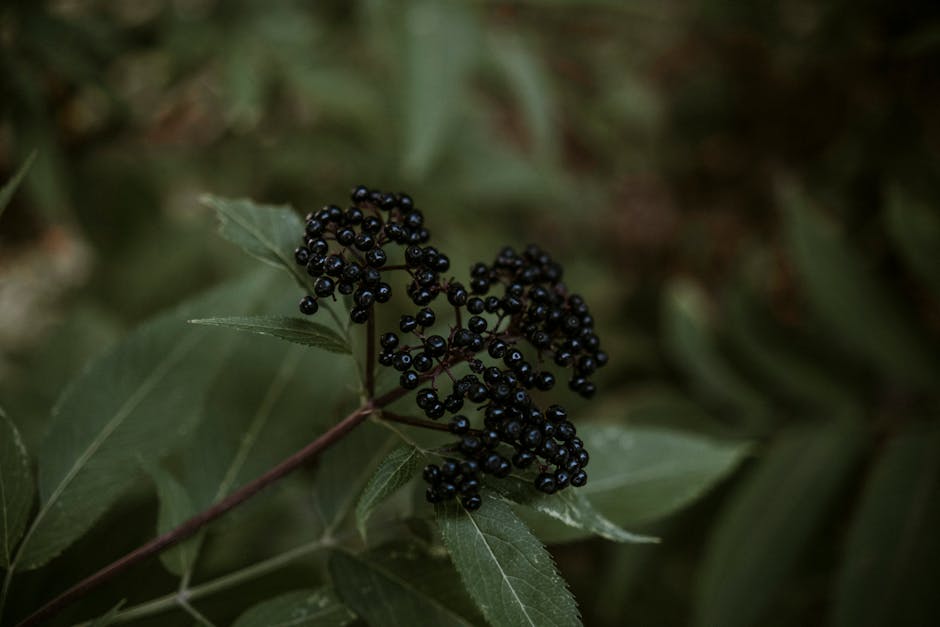
Quick Facts
Used for:
Available forms:
⚠️ Cautions:
- • Raw berries can cause digestive upset
- • May interact with certain medications
- • Not recommended for autoimmune conditions
Overview
Elderberry (Sambucus canadensis and Sambucus nigra) has been called “nature’s medicine chest” for good reason. This dark purple berry has been used for centuries in traditional medicine and is now backed by impressive scientific research showing its effectiveness against viral infections, particularly cold and flu viruses.
Botanical Profile
Plant Characteristics
- Scientific names: Sambucus canadensis (American), Sambucus nigra (European)
- Family: Adoxaceae (formerly Caprifoliaceae)
- Common names: Black elderberry, elder, European elder
- Growth habit: Large shrub or small tree, 10-15 feet tall
- Flowers: Creamy white clusters in spring
- Berries: Dark purple-black clusters in late summer/fall
Distribution and Habitat
- Native regions: Europe, North America, parts of Asia
- Growing conditions: Moist, fertile soil in partial shade
- Hardiness: Zones 3-9 depending on species
- Cultivation: Widely grown for medicinal and culinary use
Active Compounds
Anthocyanins
The deep purple pigments responsible for elderberry’s health benefits:
- Cyanidin-3-glucoside: Primary anthocyanin with antiviral properties
- Cyanidin-3-sambubioside: Unique to elderberries
- Delphinidin: Additional antioxidant compound
- Concentration: Higher in darker, riper berries
Flavonoids
Additional beneficial plant compounds:
- Quercetin: Anti-inflammatory and antiviral
- Rutin: Supports blood vessel health
- Isoquercetin: Antioxidant and immune-supporting
- Kaempferol: Anti-inflammatory properties
Other Important Compounds
- Vitamin C: Immune-supporting vitamin
- Vitamin A: Important for immune function
- Potassium: Electrolyte balance and heart health
- Dietary fiber: Digestive health support
- Sambunigrin: Cyanogenic glycoside (raw berries only)
Traditional Uses
European Folk Medicine
Elderberry has been used in European traditional medicine for over 2,500 years:
- Hippocrates: Called the elder tree his “medicine chest”
- Medieval times: Used for colds, flu, and respiratory infections
- Traditional preparations: Syrups, wines, and tinctures
- Seasonal use: Harvested in autumn for winter wellness
Native American Medicine
Indigenous peoples of North America also utilized elderberry:
- Respiratory support: For coughs and bronchitis
- Fever reduction: During illness
- Immune strengthening: Seasonal prevention
- Skin conditions: External applications for wounds
Historical Applications
Common traditional uses:
- Cold and flu: Primary historical application
- Respiratory infections: Bronchitis, pneumonia support
- Skin conditions: Topical use for wounds and burns
- Digestive issues: Cooked berries for stomach upset
- Fever reduction: During infectious illness
Modern Scientific Research
Antiviral Properties
Extensive research confirms elderberry’s effectiveness against viruses:
Influenza studies:
- Symptom reduction: 2-4 day reduction in flu duration
- Severity decrease: Less severe symptoms when used early
- Multiple strains: Effective against various flu viruses
- Mechanism: Blocks viral attachment and replication
Cold virus research:
- Common cold: Reduced duration and severity
- Upper respiratory: Significant symptom improvement
- Prevention: Some evidence for reduced infection rates
- Air travel study: Reduced cold symptoms in frequent travelers
Immune System Support
Research on immune function enhancement:
- Cytokine modulation: Balances immune response
- White blood cell activity: Enhances immune cell function
- Antibody production: Supports adaptive immunity
- Inflammatory balance: Reduces excessive inflammation
Antioxidant Activity
One of the highest antioxidant fruits tested:
- ORAC score: Extremely high antioxidant capacity
- Free radical protection: Cellular damage prevention
- Anti-aging effects: Protects against oxidative stress
- Cardiovascular support: Antioxidant protection for heart health
Respiratory Health
Specific benefits for breathing and lung health:
- Bronchitis support: Reduces inflammation in airways
- Cough relief: Soothes irritated respiratory tract
- Mucus clearance: Helps clear respiratory congestion
- Asthma support: Some evidence for breathing improvement
How to Use Elderberry
Commercial Elderberry Syrup
Most popular and convenient form:
Dosage guidelines:
- Adults: 1-2 tablespoons daily for prevention, every 3-4 hours during illness
- Children 2-12: 1-2 teaspoons daily for prevention, every 3-4 hours during illness
- Infants under 2: Consult pediatrician before use
Quality indicators:
- Organic berries: Pesticide-free sourcing
- No artificial additives: Pure berry extract
- Standardized potency: Consistent anthocyanin content
- Dark color: Indicates high antioxidant content
Elderberry Gummies
Popular option for children and adults:
- Convenience: Easy to take, enjoyable taste
- Dosage: Follow package directions
- Quality: Look for real elderberry extract, not just flavoring
- Sugar content: Consider lower sugar options
Elderberry Capsules
Concentrated extract in supplement form:
- Standardized extract: 300-600mg daily
- Timing: With meals to improve absorption
- Combinations: Often paired with vitamin C, zinc, echinacea
- Travel: Convenient for travel and daily use
Elderberry Tea
Traditional preparation method:
- Dried berries: 1 tablespoon per cup hot water
- Steeping time: 10-15 minutes for full extraction
- Combinations: Often blended with other immune herbs
- Honey addition: Enhances taste and antimicrobial properties
Homemade Elderberry Syrup
Fresh preparation for maximum potency:
Basic recipe:
- 1 cup dried elderberries (or 2 cups fresh)
- 3 cups water
- 1 cup raw honey
- 1 inch fresh ginger (optional)
Instructions:
- Simmer berries and water for 15-20 minutes
- Strain out berries, pressing to extract juice
- Cool liquid to room temperature
- Stir in honey until dissolved
- Store in refrigerator up to 3 months
Enhanced recipe additions:
- Cinnamon stick: Anti-inflammatory spice
- Cloves: Additional antimicrobial properties
- Orange peel: Extra vitamin C
- Echinacea: Enhanced immune support
Elderberry for Different Age Groups
Children (Ages 2-12)
Benefits for kids:
- School-age immunity: Protection during exposure to illnesses
- Taste appeal: Natural fruity flavor kids enjoy
- Gentleness: Well-tolerated by most children
- Research support: Studies specifically on pediatric use
Child-specific considerations:
- Start slowly: Begin with smaller doses
- Quality products: Choose reputable brands with child dosing
- Avoid raw berries: Only use processed elderberry products
- Consult pediatrician: Especially for children under 2
Adults
Optimal adult applications:
- Seasonal prevention: Daily use during cold and flu season
- Travel protection: Before and during travel
- Stress periods: When immune system is challenged
- Athletic support: For those with intensive training
Older Adults
Special benefits for seniors:
- Immune aging: Supports declining immune function
- Chronic conditions: May help prevent secondary infections
- Medication interactions: Generally safe with most medications
- Antioxidant support: Extra protection against oxidative stress
Safety and Quality Considerations
Important Safety Notes
Raw elderberry cautions:
- Never eat raw: Raw berries, bark, and leaves contain cyanogenic glycosides
- Cooking required: Heat neutralizes potentially harmful compounds
- Commercial products: Are properly processed and safe
- Symptoms of raw consumption: Nausea, vomiting, diarrhea
Drug Interactions
Generally safe but consider:
- Diabetes medications: May enhance blood sugar lowering
- Diuretics: May increase potassium levels
- Immunosuppressants: May counteract immune suppression
- Chemotherapy: Consult oncologist before use
Autoimmune Conditions
Use caution with:
- Multiple sclerosis: Immune stimulation may worsen symptoms
- Rheumatoid arthritis: Could potentially increase inflammation
- Lupus: May overstimulate already active immune system
- Professional guidance: Consult healthcare provider
Quality Standards
What to look for in elderberry products:
- Species specification: Sambucus canadensis or nigra
- Organic certification: Pesticide-free production
- Third-party testing: Purity and potency verification
- Standardized extracts: Consistent anthocyanin content
- Proper processing: Evidence of safe preparation methods
Elderberry Combinations
Synergistic Herbs
Enhanced immune support:
- Echinacea: Complementary immune activation
- Astragalus: Long-term immune building
- Ginger: Anti-inflammatory and warming
- Rose hips: Additional vitamin C
Nutritional Partners
Supportive nutrients:
- Vitamin C: Enhanced antioxidant activity
- Zinc: Immune function support
- Vitamin D: Foundational immune health
- Probiotics: Gut-immune connection support
Popular Commercial Blends
Common effective combinations:
- Elderberry + vitamin C + zinc
- Elderberry + echinacea + ginger
- Elderberry + astragalus + reishi mushroom
- Elderberry + propolis + manuka honey
Seasonal Use Strategies
Fall Prevention Protocol
Preparing for cold and flu season:
- September start: Begin daily elderberry before season peaks
- Consistent use: Daily preventive dose through winter
- Lifestyle support: Combine with good sleep, nutrition, exercise
- Family approach: Include all family members in prevention
Winter Treatment Protocol
During active illness:
- Early intervention: Start at very first symptoms
- Increased frequency: Every 3-4 hours during acute phase
- Symptom monitoring: Track improvement over 24-48 hours
- Professional care: Seek medical attention if symptoms worsen
Spring Transition
Supporting seasonal changes:
- Allergy season: May help with seasonal respiratory symptoms
- Detox support: Antioxidant support during spring cleaning
- Energy support: Gentle energy boost as activity increases
- Continued protection: Maintain through late spring illness season
Growing and Harvesting Elderberry
Home Cultivation
Growing requirements:
- Climate: Hardy in zones 3-9
- Soil: Moist, well-draining, fertile soil
- Light: Full sun to partial shade
- Space: 6-10 feet between plants
- Water: Regular moisture, especially during fruit development
Harvesting Guidelines
Optimal harvest timing:
- Ripeness: Berries are dark purple-black
- Cluster harvest: Cut entire clusters when most berries are ripe
- Morning timing: After dew evaporates but before heat of day
- Yield: Mature bush produces 12-15 pounds annually
Processing Fresh Berries
Safe preparation methods:
- Remove stems: Use fork to remove individual berries
- Wash thoroughly: Rinse in cool water
- Cook immediately: Never eat raw elderberries
- Strain seeds: Remove seeds during processing
- Store properly: Refrigerate or freeze processed products
Elderberry in Traditional Recipes
European Elder Wine
Traditional fermented preparation:
- Historical use for winter wellness
- Contains beneficial compounds plus probiotics
- Requires proper fermentation knowledge
- Modern versions available commercially
Elderberry Rob
Concentrated traditional syrup:
- Thick, potent elderberry concentrate
- Historical preparation for long-term storage
- Made by reducing elderberry juice
- Diluted with water for use
Elderflower Applications
Using elderflowers (from same plant):
- Elderflower tea: Respiratory and skin support
- Elderflower cordial: Traditional European drink
- Topical uses: Gentle skin care applications
- Harvest timing: Late spring when flowers are fresh
Research and Future Directions
Current Research Areas
Ongoing studies investigate:
- COVID-19: Potential antiviral effects
- Cancer support: Antioxidant and immune benefits
- Cardiovascular health: Heart protection properties
- Diabetes: Blood sugar regulation effects
- Skin health: Anti-aging and protective effects
Emerging Applications
New research directions:
- Standardized extracts: More consistent potency
- Bioavailability: Enhanced absorption methods
- Combination therapies: Synergistic formulations
- Preventive protocols: Optimal dosing strategies
Quality Research Standards
Well-designed studies show:
- Randomized controlled trials: Gold standard evidence
- Peer review: Published in reputable journals
- Reproducible results: Consistent findings across studies
- Safety profiles: Long-term use data
Elderberry stands as one of the most well-researched and effective natural immune supporters available. With centuries of traditional use validated by modern science, this remarkable berry offers safe, effective protection against viral infections while providing powerful antioxidant support for overall health.
Related Articles
For comprehensive immune support and viral protection, explore these related topics:
- Common Cold Prevention - Natural approaches to preventing colds
- Immune Support Collection - Complete immune system enhancement
- Echinacea Benefits - Another powerful immune herb
- Vitamin C Sources - Essential immune-supporting vitamin
- Antiviral Herbs - Natural viral infection support
Disclaimer
The content on this page is provided for informational and educational purposes only. It is not intended to be a substitute for professional medical advice, diagnosis, or treatment. Natural remedies can interact with medications and may not be suitable for everyone. Always seek the advice of your physician or other qualified health provider with any questions you may have regarding a medical condition. Never disregard professional medical advice or delay in seeking it because of something you have read on this website.
Remedies Using Elderberry
Natural Immune System Support
Strengthen your immune system naturally with immune-boosting herbs, nutrients, and lifestyle practices for optimal health.
Natural Support for Respiratory Infections
Natural immune support and symptom relief for respiratory infections using antimicrobial herbs, immune boosters, and healing foods.
Frequently Asked Questions
How effective is elderberry for preventing colds and flu?
Clinical studies show elderberry can reduce the duration and severity of cold and flu symptoms by 2-4 days when taken at first sign of illness.
Is elderberry safe for children?
Yes, elderberry is generally safe for children over 1 year old when using properly prepared commercial products. Avoid raw berries.
When should I start taking elderberry for best results?
For prevention, take during cold and flu season. For treatment, start at the very first sign of symptoms for maximum effectiveness.