Digestive Wellness Collection
Comprehensive guide to natural remedies and lifestyle approaches for optimal digestive health, gut healing, and gastrointestinal wellness.
⚠️ Important Notice: This information is for educational purposes only and is not intended as medical advice. Digestive issues can be symptoms of serious underlying conditions. Always consult with a qualified healthcare provider before trying new remedies, especially if you have chronic digestive problems or take medications.
Digestive Wellness Collection
Your digestive system is the foundation of overall health, affecting everything from immune function to mental well-being. This comprehensive collection explores natural approaches to supporting digestive wellness, healing gut dysfunction, and maintaining optimal gastrointestinal health through proven remedies and lifestyle practices.
Understanding Digestive Health
The Importance of Gut Health
Your digestive system does far more than break down food. It serves as:
- Nutrient absorption center: Converting food into usable nutrients
- Immune system headquarters: Housing 70% of your immune cells
- Neurotransmitter factory: Producing serotonin and other mood regulators
- Detoxification pathway: Eliminating toxins and waste products
- Microbiome home: Supporting trillions of beneficial bacteria
Common Digestive Challenges
Modern lifestyle factors contribute to widespread digestive issues:
- Processed foods: Disrupting natural gut bacteria balance
- Chronic stress: Affecting digestive enzyme production
- Antibiotic overuse: Damaging beneficial microorganisms
- Sedentary lifestyle: Slowing intestinal transit time
- Environmental toxins: Causing inflammation and irritation
Featured Digestive Remedies
Acid Reflux Relief
Natural approaches to heartburn and GERD management
Acid reflux affects millions, often triggered by diet, stress, and lifestyle factors. Natural remedies can provide effective relief while addressing root causes.
Key therapeutic strategies:
- Digestive enzyme support for proper breakdown
- Alkalizing foods to balance stomach acid
- Stress reduction to improve digestive function
- Timing modifications for optimal digestion
Candida Overgrowth Support
Restoring healthy gut flora balance naturally
Candida overgrowth can cause widespread symptoms affecting digestion, energy, and overall health. Natural antifungal approaches support microbiome restoration.
Comprehensive candida protocol:
- Natural antifungal herbs and nutrients
- Probiotic restoration therapy
- Dietary modifications to starve harmful yeasts
- Immune system strengthening support
Detox Support
Gentle cleansing for digestive system renewal
Supporting your body’s natural detoxification processes helps eliminate accumulated toxins and restore optimal digestive function.
Detoxification support includes:
- Liver function enhancement
- Intestinal cleansing protocols
- Lymphatic drainage support
- Cellular detox activation
Liver Health
Supporting your body’s primary detox organ
The liver plays a crucial role in digestion, producing bile for fat breakdown and processing nutrients. Liver support enhances overall digestive wellness.
Liver health protocol:
- Hepatic function optimization
- Bile production enhancement
- Protective antioxidant support
- Regenerative nutrition therapy
Hemorrhoid Relief
Natural approaches to hemorrhoid healing
Hemorrhoids often result from digestive dysfunction, constipation, and poor circulation. Natural remedies address both symptoms and underlying causes.
Comprehensive hemorrhoid support:
- Circulation enhancement therapy
- Anti-inflammatory interventions
- Digestive function optimization
- Topical healing applications
Star Digestive Ingredients
Ginger - The Digestive Champion
Primary benefits:
- Stimulates digestive enzyme production
- Reduces nausea and motion sickness
- Enhances gastric motility and emptying
- Provides anti-inflammatory gut protection
Best for:
- Nausea and digestive upset
- Slow gastric emptying
- Inflammatory bowel conditions
- Travel-related digestive issues
Usage guidelines:
- 1-3 grams daily as tea, capsules, or fresh root
- Take 30 minutes before meals for best effects
- Safe for long-term use in moderate amounts
- Combine with other digestive herbs for synergy
Turmeric - The Anti-Inflammatory Healer
Primary benefits:
- Reduces intestinal inflammation
- Supports liver detoxification function
- Enhances bile production for fat digestion
- Protects against oxidative gut damage
Best for:
- Inflammatory bowel conditions
- Liver congestion and sluggishness
- Poor fat digestion and absorption
- Oxidative stress-related gut damage
Usage guidelines:
- 500-1000mg curcumin extract daily with piperine
- Take with fats for enhanced absorption
- Use consistently for anti-inflammatory benefits
- Combine with digestive spices for optimal effects
Fennel - The Carminative Soother
Primary benefits:
- Reduces gas, bloating, and intestinal spasms
- Stimulates digestive enzyme secretion
- Provides antimicrobial gut protection
- Enhances appetite and digestive function
Best for:
- Gas, bloating, and intestinal cramping
- Poor appetite and weak digestion
- Intestinal infections and dysbiosis
- Nursing mothers (increases milk production)
Usage guidelines:
- 1-2 teaspoons seeds chewed after meals
- Tea made from 1 tablespoon seeds per cup
- Essential oil (1-2 drops) in carrier oil for massage
- Safe for children and pregnant women
Aloe Vera - The Gut Healer
Primary benefits:
- Soothes and heals inflamed intestinal tissue
- Provides prebiotic support for beneficial bacteria
- Enhances intestinal barrier function
- Supports regular bowel movements
Best for:
- Inflammatory bowel conditions
- Intestinal permeability (leaky gut)
- Constipation and irregular elimination
- Acid reflux and gastritis
Usage guidelines:
- 1-2 ounces pure aloe juice daily on empty stomach
- Choose inner leaf gel products for internal use
- Start with small amounts and increase gradually
- Avoid aloe products containing aloin (laxative compound)
Peppermint - The Antispasmodic Relaxer
Primary benefits:
- Relaxes smooth muscle of digestive tract
- Reduces IBS symptoms and intestinal spasms
- Provides antimicrobial and antifungal effects
- Enhances bile flow and fat digestion
Best for:
- Irritable bowel syndrome (IBS)
- Intestinal cramping and spasms
- Poor bile flow and fat malabsorption
- Digestive infections and overgrowths
Usage guidelines:
- Enteric-coated peppermint oil capsules: 0.2-0.4ml 3x daily
- Peppermint tea: 1 cup after meals
- Essential oil: 1-2 drops in water or carrier oil
- Avoid with acid reflux (may worsen symptoms)
Digestive Wellness Protocols
General Digestive Support Protocol
Daily maintenance for optimal gut health:
Morning (upon waking):
- Warm lemon water to stimulate digestive fire
- Aloe vera juice (1-2 oz) for gut healing
- Probiotic supplement for microbiome support
Before meals:
- Ginger tea or fresh ginger to prime digestion
- Digestive enzyme supplement if needed
- Deep breathing to activate parasympathetic response
After meals:
- Fennel seeds or tea to prevent gas and bloating
- Short walk to support gastric emptying
- Avoid liquids for 30 minutes to preserve digestive enzymes
Evening:
- Turmeric golden milk for anti-inflammatory support
- Magnesium supplement for muscle relaxation
- Peppermint tea if experiencing digestive discomfort
Gut Healing Protocol (For Damaged Intestinal Lining)
Phase 1 (Weeks 1-2): Remove irritants
- Eliminate processed foods, sugar, and alcohol
- Remove potential food sensitivities (gluten, dairy)
- Take digestive enzymes with meals
- Begin gentle detox support
Phase 2 (Weeks 3-6): Repair and restore
- L-glutamine powder: 5-10g daily for intestinal healing
- Aloe vera juice: 2-4 oz daily for tissue repair
- Bone broth: 1-2 cups daily for collagen support
- Zinc carnosine: 75mg daily for mucosal healing
Phase 3 (Weeks 7-12): Repopulate and maintain
- High-potency probiotic: 50+ billion CFU daily
- Prebiotic fiber: 5-10g daily to feed beneficial bacteria
- Fermented foods: Include daily (sauerkraut, kimchi, kefir)
- Continue supportive herbs and nutrients
IBS Management Protocol
For irritable bowel syndrome symptom relief:
Acute symptom management:
- Peppermint oil capsules: 0.2ml 3x daily between meals
- Chamomile tea: 2-3 cups daily for anti-inflammatory effects
- Heat therapy: Warm compress on abdomen for cramping
- Stress reduction: Deep breathing or meditation
Long-term management:
- Low-FODMAP diet trial for 4-6 weeks
- Regular meal timing to train digestive rhythm
- Stress management practices (yoga, meditation)
- Targeted probiotic strains for IBS
Constipation Relief Protocol
Natural approaches to restore regular elimination:
Immediate relief (1-3 days):
- Magnesium oxide or citrate: 200-400mg before bed
- Warm water with sea salt first thing in morning
- Prunes or prune juice: 4-6 prunes or 4 oz juice
- Abdominal massage in clockwise direction
Long-term restoration (weeks to months):
- Increase fiber gradually: 25-35g daily from whole foods
- Adequate hydration: Half body weight in ounces of water
- Regular exercise: 30 minutes daily, especially walking
- Squatting position for elimination (use footstool)
Lifestyle Foundations for Digestive Wellness
Mindful Eating Practices
Eating environment:
- Create calm, distraction-free meal times
- Sit down for all meals and snacks
- Chew each bite 20-30 times thoroughly
- Express gratitude before eating
Meal timing and size:
- Eat largest meal when digestive fire is strongest (midday)
- Allow 4-5 hours between meals for complete digestion
- Stop eating when 80% full to prevent overeating
- Avoid late evening meals (finish 3 hours before bed)
Food combining principles:
- Eat fruits separately from other foods
- Combine proteins with vegetables, not starches
- Drink minimal liquids with meals
- Start meals with something warm to stimulate digestion
Stress Management for Gut Health
Daily stress reduction:
- Practice deep abdominal breathing before meals
- Use progressive muscle relaxation techniques
- Incorporate gentle yoga or tai chi
- Maintain regular sleep schedule (7-9 hours)
Acute stress intervention:
- Take 5 deep breaths before eating when stressed
- Use peppermint essential oil aromatherapy
- Practice brief meditation or mindfulness
- Consider postponing meals during high stress
Movement and Exercise
Digestive-supporting activities:
- Daily walking: 20-30 minutes, especially after meals
- Yoga poses for digestion: child’s pose, twists, forward folds
- Swimming: Gentle, rhythmic movement
- Avoid intense exercise immediately after eating
Specific exercises for digestive health:
- Abdominal breathing exercises
- Pelvic floor strengthening
- Core stabilization work
- Gentle abdominal massage
Foods That Support Digestive Wellness
Healing Foods
Probiotic-rich foods:
- Fermented vegetables: Sauerkraut, kimchi, pickles
- Cultured dairy: Kefir, yogurt (if tolerated)
- Fermented beverages: Kombucha, water kefir
- Traditional foods: Miso, tempeh, natto
Prebiotic fiber sources:
- Jerusalem artichokes: High in inulin fiber
- Garlic and onions: Feed beneficial bacteria
- Asparagus: Rich in prebiotic compounds
- Green bananas: Resistant starch for gut health
Digestive enzymes in foods:
- Pineapple: Contains bromelain for protein digestion
- Papaya: Rich in papain enzyme
- Raw honey: Contains various digestive enzymes
- Fermented foods: Natural enzyme production
Anti-Inflammatory Foods
Omega-3 rich foods:
- Wild-caught fish: Salmon, sardines, mackerel
- Flax and chia seeds: Plant-based omega-3s
- Walnuts: Anti-inflammatory fats
- Algae supplements: Vegan DHA/EPA source
Antioxidant powerhouses:
- Berries: Blueberries, blackberries, raspberries
- Leafy greens: Spinach, kale, arugula
- Colorful vegetables: Bell peppers, beets, carrots
- Herbs and spices: Turmeric, ginger, oregano
When to Seek Professional Help
Warning Signs Requiring Medical Attention
Immediate medical care needed:
- Severe abdominal pain or cramping
- Blood in stool or black, tarry stools
- Persistent vomiting or inability to keep fluids down
- Signs of dehydration (dizziness, dry mouth, decreased urination)
- Fever with digestive symptoms
Consult healthcare provider for:
- Chronic digestive symptoms lasting more than 2 weeks
- Unexplained weight loss or gain
- Changes in bowel habits that persist
- Family history of digestive cancers
- Symptoms that interfere with daily activities
Integrative Healthcare Approach
Beneficial healthcare providers:
- Gastroenterologist: For serious digestive disorders
- Functional medicine doctor: For root cause analysis
- Registered dietitian: For personalized nutrition plans
- Naturopathic doctor: For natural treatment approaches
Diagnostic tests that may be helpful:
- Comprehensive stool analysis with parasitology
- Food sensitivity and allergy testing
- SIBO (small intestinal bacterial overgrowth) breath test
- Comprehensive digestive stool analysis
- Organic acids test for gut metabolism
Building Long-Term Digestive Resilience
Progressive Gut Healing Approach
Month 1: Foundation building
- Eliminate known irritants and processed foods
- Begin basic digestive support (enzymes, probiotics)
- Establish regular meal timing and mindful eating
- Start stress reduction practices
Month 2-3: Active healing
- Introduce gut-healing nutrients (L-glutamine, zinc)
- Add therapeutic herbs (aloe, slippery elm)
- Expand probiotic diversity with fermented foods
- Address specific symptoms with targeted remedies
Month 4-6: Restoration and balance
- Gradually reintroduce foods to test tolerance
- Optimize nutrient absorption with whole foods diet
- Continue probiotics and gut-supportive practices
- Monitor progress and adjust protocols as needed
Month 6+: Maintenance and optimization
- Maintain healthy eating patterns consistently
- Use digestive support as needed for challenges
- Continue stress management and lifestyle practices
- Regular check-ins with healthcare providers
Digestive wellness is a journey that requires patience, consistency, and a holistic approach. By combining targeted natural remedies with supportive lifestyle practices, you can build lasting digestive health that supports your overall well-being.
Related Articles
- Acid Reflux Relief - Natural approaches to heartburn
- Liver Health Support - Optimizing your primary detox organ
- Ginger Guide - The ultimate digestive champion
- Immune Support Collection - Building gut-based immunity
- Detox Support - Gentle cleansing protocols
Disclaimer
The content in this collection is provided for informational and educational purposes only. It is not intended to be a substitute for professional medical advice, diagnosis, or treatment. Digestive symptoms can indicate serious underlying conditions that require professional medical evaluation. Always seek the advice of your physician or other qualified health provider with any questions you may have regarding digestive health or before starting any new supplement regimen.
Remedies in This Collection

Natural Acid Reflux and GERD Relief
Relieve acid reflux naturally with soothing herbs, dietary modifications, and lifestyle changes for digestive comfort.
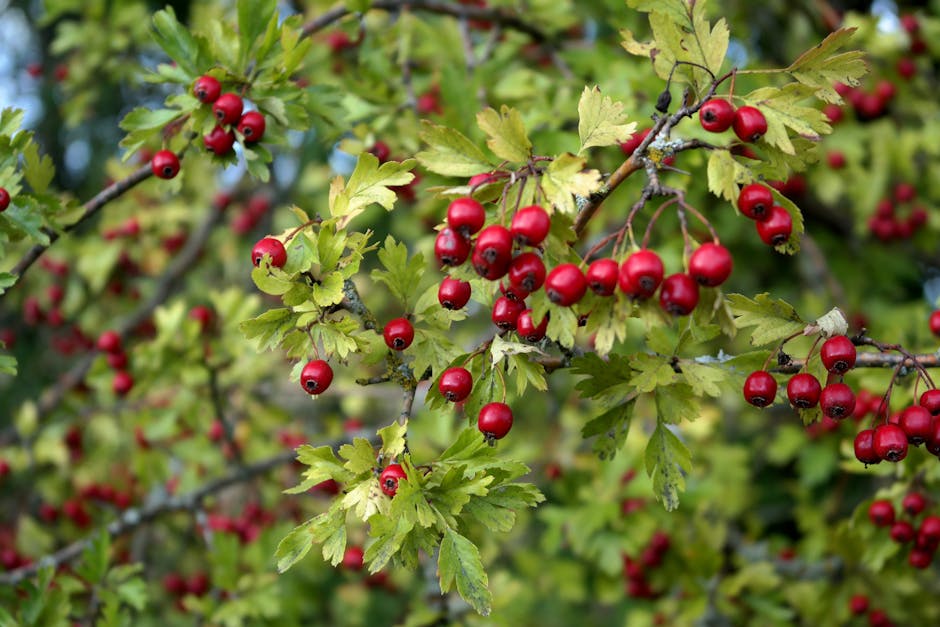
Natural Candida Overgrowth Support
Address candida overgrowth naturally with antifungal herbs, dietary changes, and gut health restoration for balanced microbiome.

Natural Detox and Cleansing Support
Gentle, effective natural detoxification methods to support liver function, elimination, and overall wellness using herbs and lifestyle practices.

Natural Liver Health and Detox Support
Support optimal liver function with liver-protective herbs, detoxifying foods, and lifestyle practices for natural cleansing.

Natural Hemorrhoid Relief and Prevention
Relieve hemorrhoid discomfort naturally with soothing herbs, dietary fiber, and gentle treatments for healing and prevention.
Key Ingredients
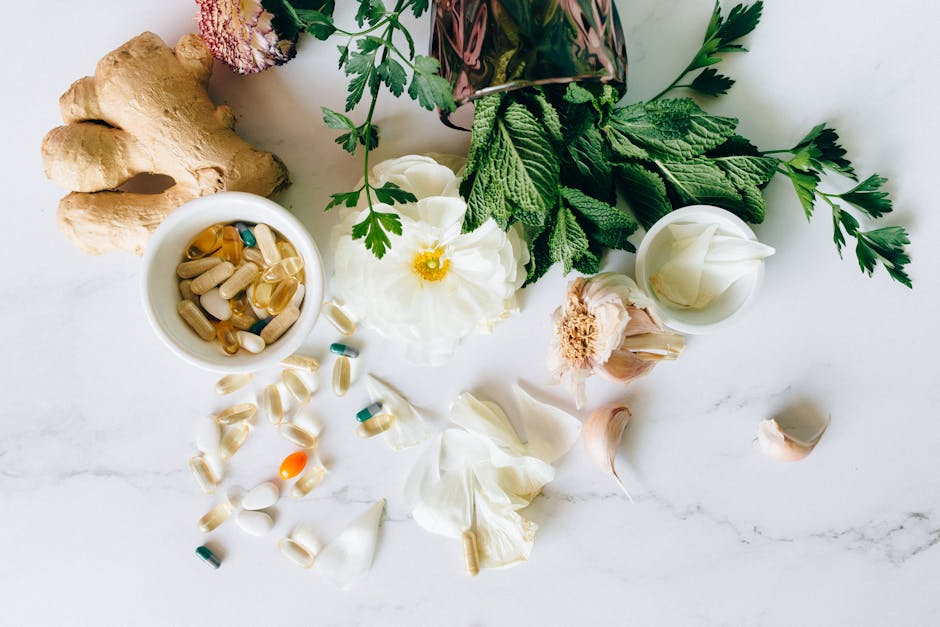
Ginger – Uses & Benefits
Warming root used in teas, cooking, and remedies for digestion and colds.
Used for:
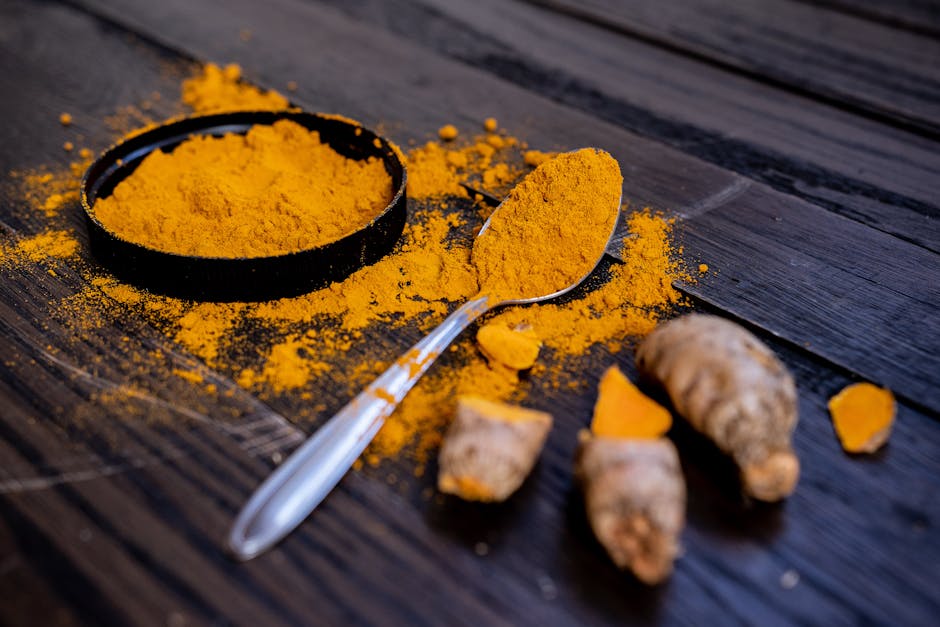
Turmeric – Uses & Benefits
Golden spice with powerful anti-inflammatory properties, used for pain relief, digestion, and overall wellness.
Used for:

Aloe Vera – Uses & Benefits
Healing succulent plant renowned for skin care, digestive support, and anti-inflammatory properties with extensive therapeutic applications.
Used for:
Important Notice
This information is for educational purposes only and should not replace professional medical advice. Always consult with a healthcare provider before trying new remedies.